
Vandaag of morgen in huis

Kwaliteit gegarandeerd

Welkomstaanbiedingen ontgrendelen: GRATIS bezorging | Tot 80% korting | Gratis 30 dagen JoyPlus-proefperiode
Download de app
Buying sparkling water seems straightforward, until you have to choose between natural mineral water, flavoured sparkling water, cans and multipacks. Attractive packaging tells you little about taste, ingredients or nutritional value. Terms such as “light”, “natural” and “zero” also call for a closer look at the label.
For households, offices and hospitality businesses, there are three main pitfalls to watch out for:
Use the checks below to compare products based on verifiable information, rather than relying on marketing claims alone.
Start by checking the ingredients list per 100 ml. With plain sparkling mineral water, you would generally expect water and, possibly, added carbon dioxide. Sparkling water with fruit flavour may contain added fruit juice, flavourings, acidity regulators or sweeteners.
A product with 0 g of sugar is not automatically free from sweeteners. For example, Chi Forest Yuzu lists 0 g of sugar and 0 kcal per 100 ml, but according to the product information it contains the sweetener E955. The label also states that the product contains sweeteners.
According to the product information, Charlie’s Sparkling Water Raspberry & Lime contains 2 kcal per 100 ml and 0 g of sugar. Its ingredients are 94% carbonated water, 4.5% organic raspberry purée, 1.5% organic lime juice and natural raspberry flavouring. Always check the current packaging yourself before ordering.
Natural sparkling water or sparkling mineral water has a different composition from flavoured water. Mineral water labels often list values for calcium, magnesium, sodium, bicarbonates and dry residue.
According to the product description, SPA Finesse Light Sparkling contains 11 mg of calcium, 5.5 mg of magnesium and 9 mg of sodium per litre, among other minerals. Its dry residue is 80 mg per litre. By contrast, according to the stated product specifications, Beypazari Sade Soda has a higher mineral content, with around 205.867 mg of calcium and 124.588 mg of magnesium per litre.
These figures won’t tell you which water you’ll enjoy most. But they do help you compare products objectively, especially if you prefer a softer or more mineral-rich taste.
A 330 ml can is handy for travelling, work or events. 500 ml bottles are practical for individual use. For families, hospitality businesses and offices, a large pack of mineral water or multipack can be more cost-effective and easier to manage.
Check:
When ordering online, it’s also a good idea to check the shelf-life information, storage instructions and delivery terms. Store sparkling water as directed on the packaging, away from direct sunlight and excessive heat.
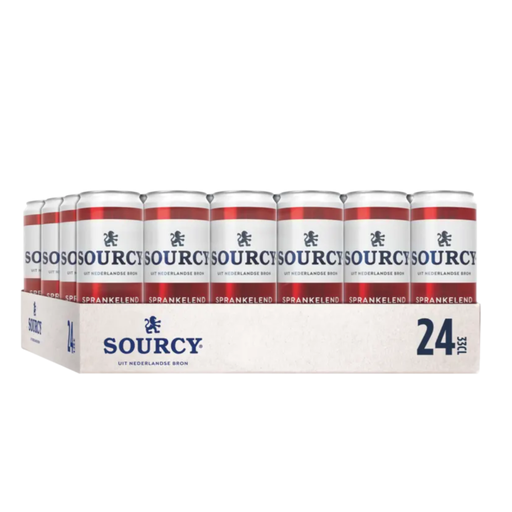
Why it suits this profile: The box contains 24 cans of 330 ml. It’s a manageable quantity for home, a small workplace or occasions when you want to take a portion with you.
The packaging and contents are clearly specified. According to the product information, it consists of natural mineral water with added carbon dioxide, with no sugar or flavourings listed.
24 cans of 330 ml; minerals including 49 mg of calcium and 10 mg of sodium per litre, according to the product description.
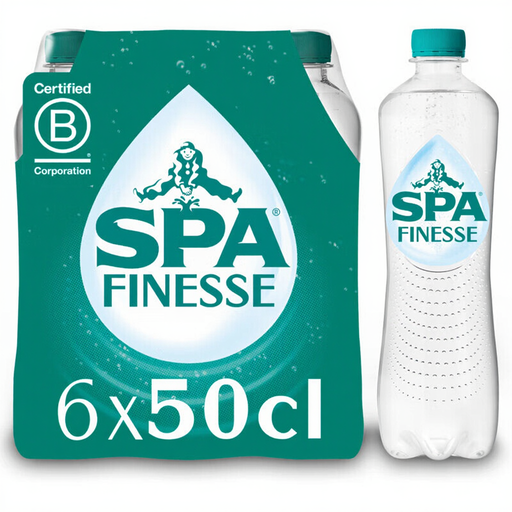
Why it suits this profile: The 50 cl bottle is ideal for individual use, whether you’re travelling, at the office or having lunch.
The product information specifies the type of water, its mineral composition and its carbonation level. This lets you assess what’s inside without relying on the packaging alone.
6 bottles of 500 ml; according to the product information, 3.8 g of natural carbon dioxide per litre and 80 mg of dry residue per litre.
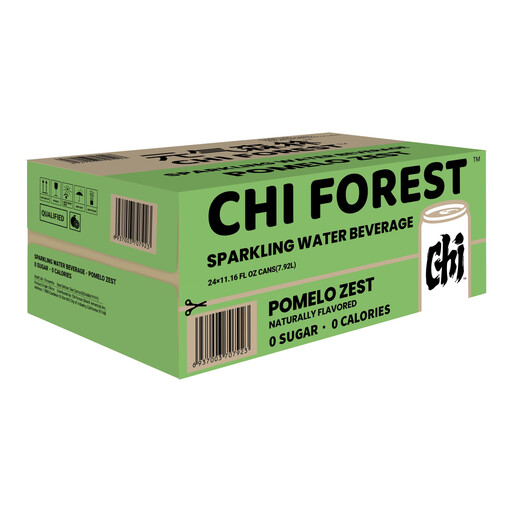
Why it suits this profile: A box of 24 bottles of 330 ml is a good fit for an office, shared supplies or a household with several sparkling water drinkers.
The product information includes the nutritional values and a warning about sweeteners. This makes it clear that sugar-free doesn’t mean unsweetened.
Yuzu flavour; 0 kcal and 0 g of sugar per 100 ml according to the product description; contains sweeteners.
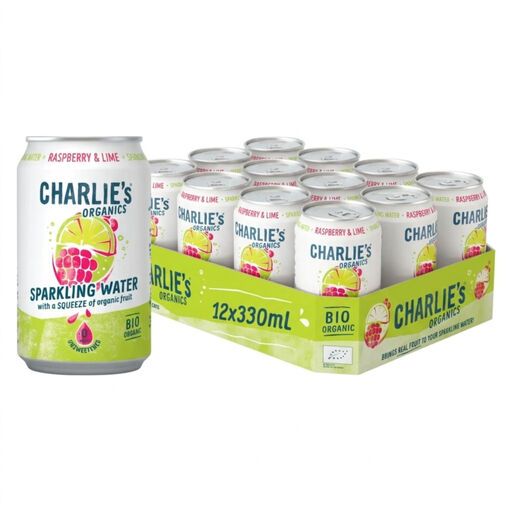
Why it suits this profile: The combination of raspberry and lime offers an alternative to plain sparkling water, in a handy can that’s easy to enjoy at home or on the go.
The product information gives the exact proportions of carbonated water, fruit purée and lime juice. It also states that there are 0 g of sugar per 100 ml.
12 cans of 330 ml; 2 kcal per 100 ml according to the product information; the label lists organic raspberry purée and lime juice.
We’ve put together a complete, up-to-date list of products that meet these strict selection criteria and the applicable European safety regulations.
No. Sparkling water can simply be water with added carbon dioxide. Natural mineral water comes from a recognised source and has a defined mineral composition. Check the label for the product description and mineral table.
It depends on the price per litre, the packaging and how you use it. Cans are practical for individual servings and office storage. Bottles are often more convenient when you’re out and about. Divide the total price by the number of litres to compare multipacks fairly.
Keep an opened bottle chilled and make sure the cap is tightly closed. Follow the instructions on the label and consume the product within the stated period. Store unopened packs in a cool, dry place away from direct sunlight.
