
Vandaag of morgen in huis

Kwaliteit gegarandeerd

Welkomstaanbiedingen ontgrendelen: GRATIS bezorging | Tot 80% korting | Gratis 30 dagen JoyPlus-proefperiode
Download de app
Buying mineral water online seems simple: choose a brand, select a bottle size and add a multipack to your order. Yet households and offices regularly pay too much for water that doesn’t suit their needs. The difference often comes down not just to the brand, but also to packaging, mineral composition, bottle size and shelf life after opening.
Whether you’re looking for still water for home, sparkling mineral water for guests or mineral water for preparing baby food, check the product information first. Below, you’ll find practical points to consider and a selection of mineral waters for different needs.
A mineral water offer may look appealing, but the price per bottle doesn’t always tell the whole story. Compare the total volume too. For example, a pack of 12 500 ml bottles contains 6 litres, while a multipack of six 1.5-litre bottles contains 9 litres.
When choosing a mineral water multipack, check:
Not every product called natural mineral water is still. Some varieties contain naturally occurring carbon dioxide or have carbon dioxide added. So check whether the product page or label says still, naturally sparkling or sparkling mineral water.
This is especially important if you use the water for coffee, tea, cooking or preparing baby food. For days out, a bottle with a sports cap may be more practical than a large bottle with a standard screw cap.
If you’re looking for mineral water with low sodium, check the sodium content in mg per litre. Marketing terms such as ‘light’ or ‘pure’ don’t give you enough information to make a full comparison.
Some product descriptions say that the water is suitable for a low-salt diet or for preparing baby food. This is a product claim made by the brand or retailer, not personal medical advice. Always check the current label, and follow a healthcare professional’s advice if you have specific dietary needs.
Choosing the right size helps avoid waste and unnecessary lugging.
According to the product information, an opened bottle should generally be kept chilled and used within the stated period.
The composition varies from one source to another. Pay particular attention to:
For example, Evian lists 80 mg of calcium, 26 mg of magnesium and 6.5 mg of sodium per litre. Spa Reine lists 5 mg of calcium, 2 mg of magnesium and 3 mg of sodium per litre. For its 1.5-litre variety, Bar Le Duc lists 54 mg of calcium and 10.7 mg of sodium per litre. These figures come from the available product information; always check the packaging before buying.
Store mineral water in a cool, dry place away from direct sunlight. Don’t leave bottles next to a heat source for long periods, and don’t use a pack if the seal is damaged.
For families, a large bottle often works out cheaper per litre. Smaller bottles are easier to carry when you’re out and help you spread your water intake throughout the day. Check the packaging material too. Some product descriptions provide information about recycled plastic or recyclability. Treat this as a specification of that particular product, and check your local waste disposal rules before throwing it away.
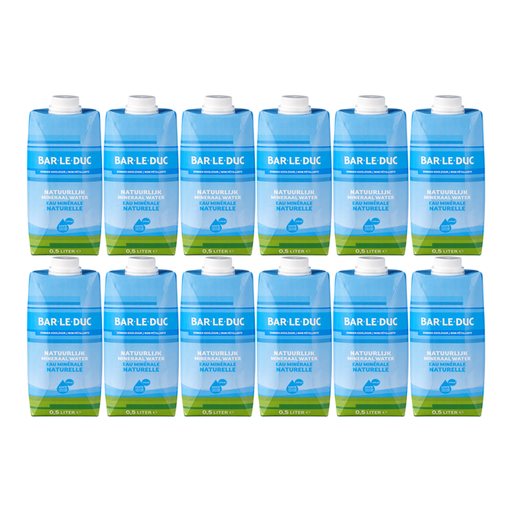
Why it suits this profile: The 12 500 ml bottles are easy to divide between home, the office or days out. The pack contains 6 litres of still mineral water in total.
The number of bottles and the volume of each bottle are clearly stated, making it easy to check the price per litre.
12 bottles of 0.5 litres; according to the product information, free from the 14 main EU allergens.
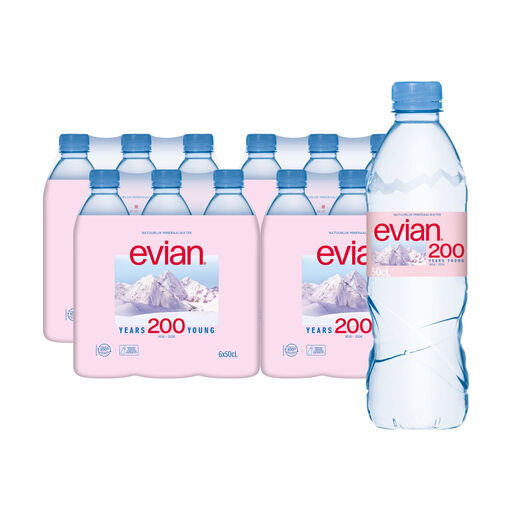
Why it suits this profile: This pack is ideal for buyers who want a familiar brand and individual portions for the office, events or everyday use.
The product page lists the mineral composition per litre, so you can check the details rather than relying on brand messaging alone.
24 bottles of 500 ml; the product lists 80 mg of calcium, 26 mg of magnesium and 6.5 mg of sodium per litre.
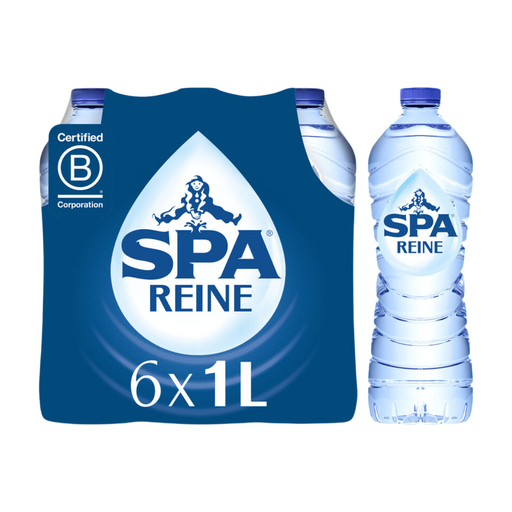
Why it suits this profile: The six 1-litre bottles offer a useful supply for a household or office, or for anyone planning several drinks throughout the day.
The sodium content is clearly listed as 3 mg per litre, making it easier to compare with other varieties.
6 x 1 litre; the product information lists low mineral and sodium content, and says the water can be used to prepare baby food. Check the label for the latest information.
We’ve put together a full, up-to-date list of products that meet these strict selection criteria and the applicable European safety regulations.
It depends on the product. Some brands state on the label or product page that their water is suitable for preparing baby food, often alongside information about sodium and nitrate. Always follow the preparation instructions for the baby food and check the current packaging. If you’re unsure about a particular dietary situation, ask a healthcare professional for advice.
Follow the instructions on the packaging. The available product information usually says that an opened bottle should be kept chilled and consumed within the stated period. Close the bottle tightly, and don’t use one if the seal was damaged before opening.
It depends on the price of the multipack and the total volume. A 1.5-litre bottle often costs less per litre, while 500 ml bottles are easier to take with you and are opened less often. Divide the total price by the number of litres to compare mineral water offers fairly.
