
Vandaag of morgen in huis

Kwaliteit gegarandeerd

Welkomstaanbiedingen ontgrendelen: GRATIS bezorging | Tot 80% korting | Gratis 30 dagen JoyPlus-proefperiode
Download de app
Milk and plant-based drinks might seem straightforward to compare: pick a brand, a flavour and a pack size. Yet online grocery shoppers regularly end up paying for a product that doesn’t suit how they actually use it. For instance, a long-life drink can be less practical if you have limited fridge space after opening. A vanilla-flavoured drink may contain more sugar than an unsweetened version. And a product labelled “milk tea” doesn’t always contain regular milk.
This buying guide helps you compare semi-skimmed milk, whole milk, long-life milk, lactose-free milk, organic milk, soya drink, barista milk, coffee milk and Asian milk drinks using verifiable information on the label.
A plant-based milk, such as soya drink, isn’t a one-to-one match for cow’s milk in terms of composition. So always check the amounts of protein, fat, sugar and calcium per 100 ml. According to Alpro’s product information, Alpro Soya Drink Original contains 3 grams of protein and 2.5 grams of sugar per 100 ml. Alpro Soya Drink Vanilla contains 3 grams of protein but 6.8 grams of sugar per 100 ml.
Asian milk drinks can also fall into a different product category. Yeo’s Black Soy Drink contains water, soya bean extract and sugar, among other ingredients. Lotte Banana Carbonated Milk Drink contains carbon dioxide, sugar, skimmed milk powder and soya. These drinks are intended as flavourful beverages and not automatically a substitute for milk in every breakfast or recipe.
UHT or long-life milk can be stored outside the fridge unopened, provided the packaging says so. Once opened, the drink must be kept refrigerated and used within the time stated on the pack. Fresh or pasteurised milk needs to be chilled even before opening.
Also pay attention to the pack size. A 1-litre carton might seem good value, but a multipack of smaller portions can be more practical for school, work or on the go. So compare the price per litre, not just the price per pack.
Terms like “barista”, “rich”, “creamy” or “high in calcium” only mean something when you check the product specifications. For example, Milbok Double Milk states 5.0 grams of fat and 5.5 grams of protein per 100 ml. That’s useful information if you’re frothing milk. With coffee milk, it’s more about dosage, ease of storage and taste in coffee.
For organic milk, check that the product is actually labelled as organic on the pack and read the ingredients list. B+ UHT Whole Milk is described in the product information as organic whole milk with the ingredient whole milk of organic origin.
The ingredients list makes it clear whether you’re buying a dairy product or a plant-based drink. Regular milk contains milk; soya drink contains soya. Milk powder, whey powder and sodium caseinate can appear in instant milk tea and don’t automatically mean a product is dairy-free.
Pay attention to the allergen declaration:
A lactose-free milk, such as Melkan Lactose-Free Half-Skimmed Milk, remains a dairy product and, according to the product information, contains milk. “Lactose-free” therefore does not mean “milk-free” or suitable for someone with a cow’s milk allergy.
Always use the same unit of measurement. For everyday use, these values are particularly practical:
The nutritional values of Campina UHT Semi-Skimmed Milk show 1.5 grams of fat, 4.9 grams of carbohydrates and 3.7 grams of protein per 100 ml. Campina Whole Milk shows 3.6 grams of fat and 3.7 grams of protein per 100 ml. That helps you make an objective choice between semi-skimmed and whole milk.
For families, a multipack can be handy, while a single person may have less waste with one litre or smaller portions. For stocking up, long-life milk is practical. For coffee, there are three different options:
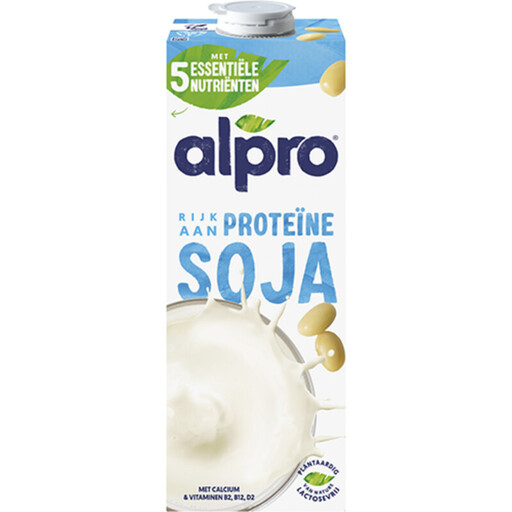
Why this fits the profile: A versatile soya drink for breakfast cereals, smoothies or drinking as is, with no extra preparation needed. According to Alpro’s product information, this variant is lactose-free, gluten-free and suitable for vegan and vegetarian diets.
The nutritional values are listed per 100 ml, so you can directly compare sugar, fat and protein with other drinks.
1-litre UHT pack; 3.0 g protein and 2.5 g sugar per 100 ml according to the product details.
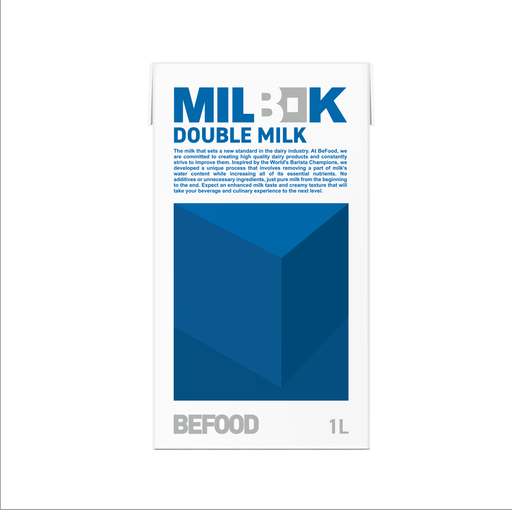
Why this fits the profile: Aimed at coffee lovers who want to steam milk for cappuccino, flat white, matcha or chai.
The product information lists 100% milk as the ingredient and gives specific values for fat and protein, rather than just a general barista claim.
5.0 g fat and 5.5 g protein per 100 ml; according to the product information, suitable for frothing and serving at around 55–60 °C.
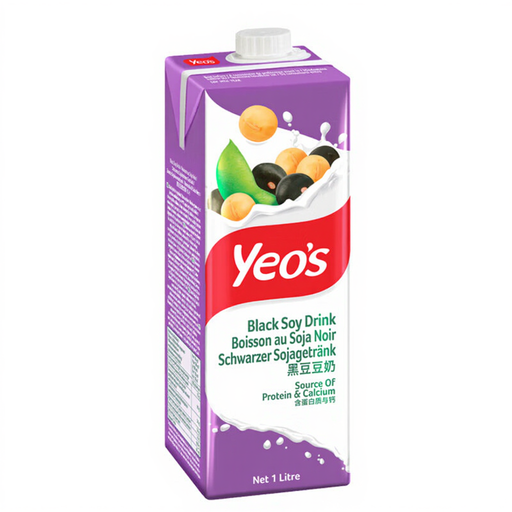
Why this fits the profile: A choice for those looking for Asian milk drinks and soya drinks to enjoy chilled, with breakfast or in South-East Asian recipes.
The ingredients and the soya allergen label make it clear that this is a sweetened soya drink, not regular cow’s milk.
1-litre pack; made with 8% soya bean extract according to the product information.
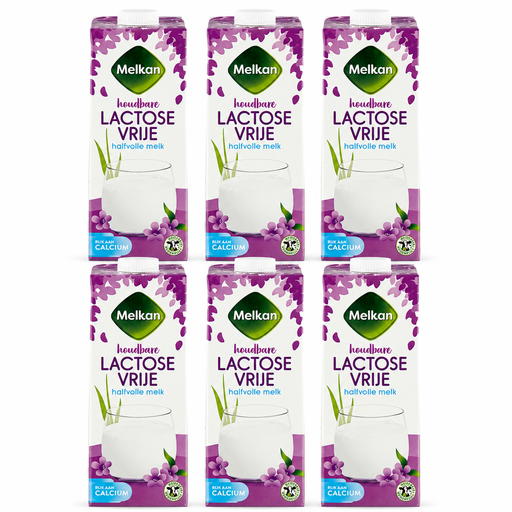
Why this fits the profile: A bulk pack for households that use lactose-free semi-skimmed milk for breakfast, coffee, cooking or baking.
The packaging clearly states that this is lactose-free milk, but also that milk is present. This keeps the distinction from milk-free plant-based drinks visible.
6 x 1 litre; 1.6 g fat, 3.2 g protein and 120 mg calcium per 100 ml according to the product data.
We’ve put together a full, up-to-date list of products that fully meet these strict selection criteria and comply with current European safety regulations.
Semi-skimmed milk generally contains less fat than whole milk. In Campina’s product information, semi-skimmed milk has 1.5 grams of fat per 100 ml and whole milk has 3.6 grams. The choice mainly comes down to taste, recipe and desired nutritional values.
No. Lactose-free milk can still contain milk proteins. If you have an allergy, always check the allergen information and only choose a product that matches the advice of a doctor or dietitian.
For regular coffee, coffee milk, semi-skimmed milk or whole milk are practical options. For frothing, the fat and protein content can be important. Milbok Double Milk gives specific values for this and a recommended temperature. With plant-based drinks, the taste and frothing results vary by variant, so check the product description and choose a version that suits your coffee preparation.
