
Vandaag of morgen in huis

Kwaliteit gegarandeerd

Welkomstaanbiedingen ontgrendelen: GRATIS bezorging | Tot 80% korting | Gratis 30 dagen JoyPlus-proefperiode
Download de app
Milk snacks come in many forms, from creamy sweets and milk biscuits to milk chocolate, wafers and Japanese snacks with matcha or strawberry. This wide choice is useful, but it can make comparing products more difficult. Packaging featuring words such as “creamy”, “premium” or “with milk” does not always tell you how much milk content the product contains or how large the portion is.
It is therefore worth paying particular attention to three common pitfalls:
With the right checks, it is easier to choose a snack for home, school, work or when you are out and about.
Look at the ingredients list for terms such as milk powder, whole milk powder, skimmed milk powder, lactose, cream, whey or milk protein. Ingredients are generally listed from the largest to the smallest proportion. If sugar appears near the top and milk powder only later, the flavour is probably driven mainly by sweetness.
For people with an allergy, the allergen information is more important than the product name. Many milk snacks also contain wheat, gluten, soya, egg or nuts. For example, Glico Pocky Animal Sticks Strawberry Milk Flavor lists wheat, milk and soya as allergens. FURUTA Strawberry Milk Flavor Cookie lists wheat, milk, soya and egg.
Always check the packaging. Ingredients can change, and the product page does not replace the label on the product itself.
A 35 or 40 gram snack is practical for a lunchbox or bag. A larger pack is more useful when you want to share or put together a snack selection. When comparing packs, pay attention to the difference between:
Kanro Gold Milk Candy Matcha Latte comes in a 61 gram pack with individually wrapped sweets. Liga Milkbreak consists of six twin packs, each containing two biscuits. These are two different types of packaging, even though both fall into the category of snacks with a milky flavour.
Compare the nutritional values per 100 grams when placing products side by side. This prevents a small portion from appearing more favourable than a larger snack. As a guide, look at energy, sugar, saturates, salt and sweeteners.
For example:
These figures can only be compared properly when you also consider the portion size. After all, you consume a sweet, biscuit and chocolate bar in different ways.
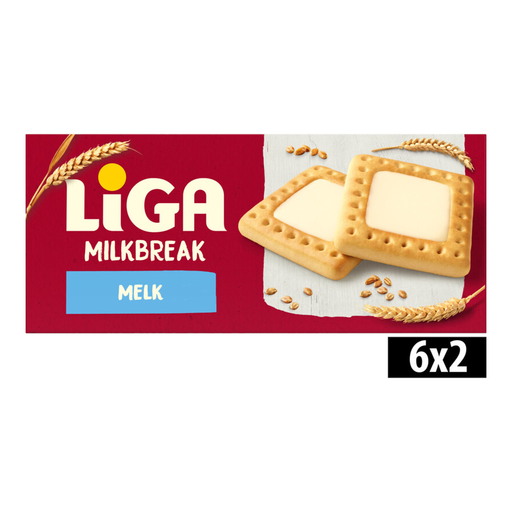
Why it suits this profile: The pack contains six portions of two biscuits, making it suitable for families, school bags or keeping in the cupboard.
The twin packs make the portion size clearer than a large open bag. However, check the listed allergens: wheat, milk, egg, soya and cereals containing gluten.
245 grams of contents, six individual packs and, according to the product information, 447 kcal and 21 grams of sugar per 100 grams.
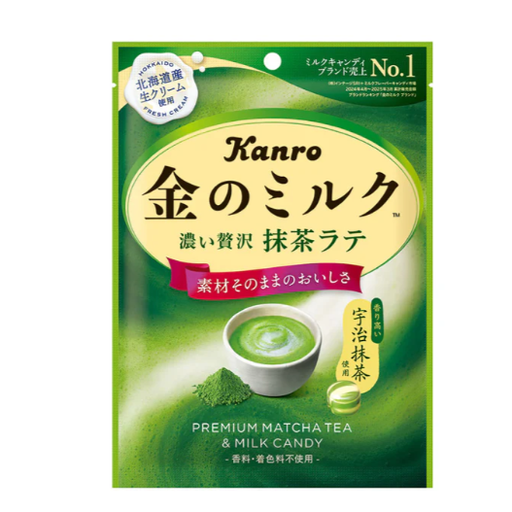
Why it suits this profile: For fans of Japanese snacks who want to try a milky sweet with matcha, without buying a large bag.
The pack weighs 61 grams and the sweets are individually wrapped. The flavour is clearly described as milk and matcha; before buying, check that you enjoy both milk and matcha.
Product of Japan, made with fresh cream, concentrated milk and matcha according to the product description; contains milk as an allergen.
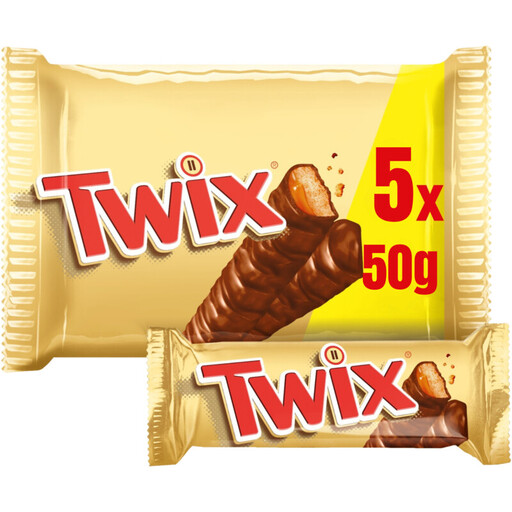
Why it suits this profile: A practical choice for sharing, treats or keeping a supply for several snack breaks, thanks to five individually wrapped bars.
The number of bars and total weight are clearly stated. The ingredients list includes wheat, milk, soya and possibly nuts; check the packaging if you have allergies.
250 grams in total, five individual bars and a combination of biscuit, caramel and milk chocolate according to the product description.
We have put together a complete, up-to-date list of products that fully meet these strict selection criteria and the applicable European safety regulations.
For products from Japan, China or other countries outside the European Union, pay extra attention to Dutch or European labelling, allergen information and storage advice. If in doubt, the label on the packaging takes precedence.
Individually wrapped sweets, bars and small biscuit packs are practical when you are out and about. They take up little space and stay sealed until you are ready to eat them. Do bear heat in mind: milk chocolate can melt and biscuits can lose their crisp texture.
That depends on the ingredients, portion size and allergens. Always check for milk, wheat, egg, soya and nuts. Products containing small parts or hard sweets are not suitable for every age group. Follow the information on the packaging and choose products appropriate for the child’s age.
In most cases, store them in a cool, dry place away from direct sunlight. A fridge is not always necessary and can affect the texture of biscuits. Seal opened packs carefully and check the best-before date on the label. Do not use a product if the packaging is damaged.
