
Vandaag of morgen in huis

Kwaliteit gegarandeerd

Welkomstaanbiedingen ontgrendelen: GRATIS bezorging | Tot 80% korting | Gratis 30 dagen JoyPlus-proefperiode
Download de app
At first glance, milk powder seems simple enough: mix the powder with water and you're done. However, products vary significantly in age suitability, composition, fat content, packaging and intended use. Making the wrong choice can lead to unnecessary expense or a product that doesn't suit your household.
For parents, the key distinction is between infant formula, follow-on milk from 6 months and toddler milk. For other households, the choice is more about taste, solubility and the quantity needed for cooking, baking or everyday drinks.
A package labelled "milk powder" or "toddler milk" isn't automatically suitable for babies. Standard whole or skimmed milk powder is not a substitute for infant formula. Always check the stated age:
If you're unsure about switching, introducing new foods or feeding your baby, it's wise to consult your health visitor, a doctor, dietitian or other qualified healthcare professional.
Brands may highlight fibres, vitamins, milk fat or a particular formula. According to a brand's own research, there may be benefits associated with these, but such claims are not automatically decisive for every family. First, look at verifiable information:
A 400g pack may seem cheaper than a 900g box, but the price per kilogram can tell a different story. With bulk milk powder, there's also a greater risk that an opened product will sit around for too long. So only buy in bulk if you use the product regularly and can follow the storage instructions.
Read the full product name and any warnings. Nutrilon 2 is, according to the product information provided, suitable from 6 months. Nutrilon 3 is intended for a later stage and Nutrilon 4 from 12 months. Nutrilon 6 is, according to the product information, intended for children from 3 years.
A standard milk powder, such as Nido milk powder or Two Cows, is different from infant formula. The Nido products mentioned are intended for older children or general use. Always check the label, as packaging and composition can vary between variants.
For general use, you can choose between whole milk powder and skimmed milk powder:
The Two Cows whole milk powder mentioned contains 28% fat and can be reconstituted using 130g of powder to 900ml of water for approximately one litre of milk. The skimmed variant recommends 10 to 12g of powder per 100ml of water. Where possible, use the ratio on the current packaging.
With infant milk powder, precision is important. For Nutrilon 2, the product information states, for example, 14.4g of powder per 100ml of water and one scoop of 4.8g. Use clean, boiled water that has cooled to approximately 40°C, unless the packaging gives different instructions.
Keep these points in mind:
For general milk powder, the same applies: store the product in a dry, cool place away from direct sunlight. Check that the packaging is intact and read the current label before use.
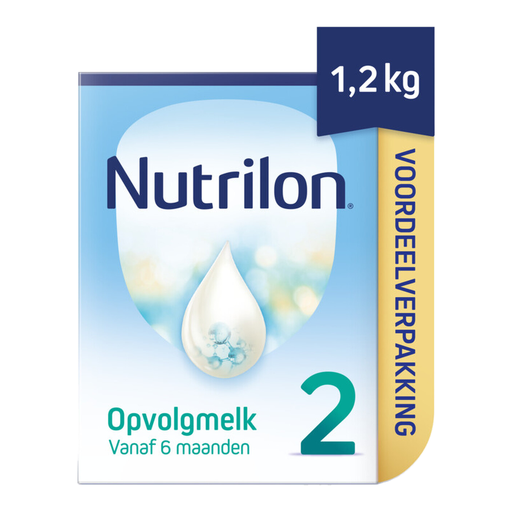
Why this fits the profile: A larger pack for parents who already know that follow-on milk from 6 months fits their feeding routine.
The age indication from 6 months is clearly stated. The preparation information gives 14.4g per 100ml of water.
1.2 kg pack; product information mentions scGOS/lcFOS and 3'GL fibres. Check the current packaging for full details.
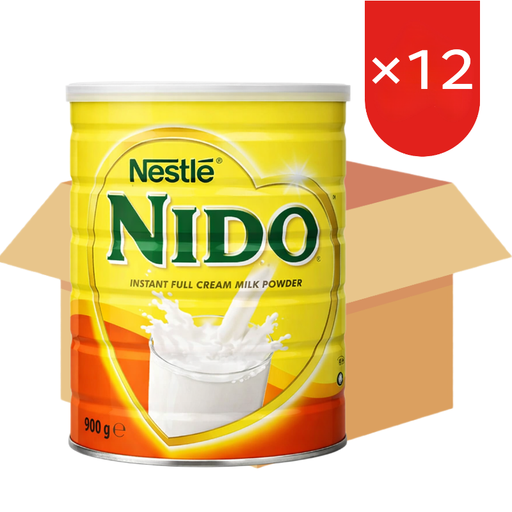
Why this fits the profile: Suitable for households that use milk powder in drinks, coffee, desserts, cooking and baking.
The product information states a ratio of 32.5g to 225ml of water and warns that the product is not suitable for babies under 12 months.
900g; whole milk powder; according to the product information, soluble in hot and cold liquids.
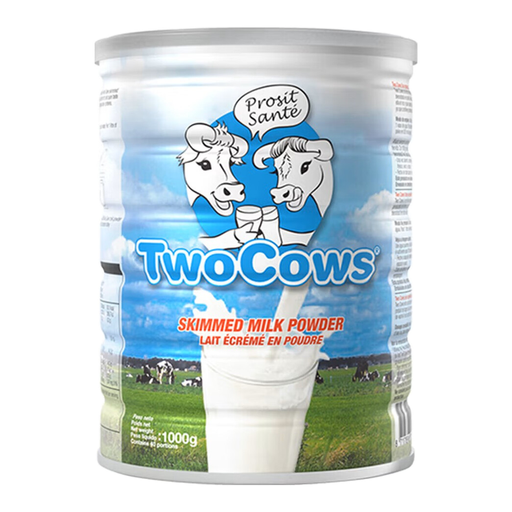
Why this fits the profile: A practical choice for those who regularly use milk powder in coffee, recipes, baking or larger quantities of drinks.
The packaging clearly states that this is standard skimmed milk powder and not food for babies or children under 2 years.
1,000g; according to the product information, 0.7g fat and 33g protein per 100g.
We've put together a full, up-to-date list of products that fully meet these strict selection criteria and comply with current European safety regulations.
Only milk powder that is specifically labelled as infant formula or follow-on milk can be intended for that age. Standard whole or skimmed milk powder, including many Nido and Two Cows variants, is not suitable as a replacement for breast milk or infant formula. Follow the age indication and preparation instructions on the packaging.
The exact shelf life is stated on the packaging. After opening, a shorter use-by period often applies. Store the powder tightly sealed in the recommended place. For prepared baby milk, much shorter times apply: the product information for Nutrilon 2 states use within one hour and discarding any leftovers.
That depends on the price per kilogram, the mixing ratio and how much you throw away. So don't just compare the shop price; also calculate the cost per litre of prepared product. For occasional use, a small pack may be more practical; for cooking, baking or daily use, bulk milk powder can work out more economical, as long as you use it before the expiry date.
