
当日/次日达

品质保障

开启新人专享福利: 全场免邮 | 低至 2 折 | 免费试用 30 天 JoyPlus 会员
下载 Joybuy
Anyone looking to buy milk and milk powder online will soon come across dozens of options: whole milk, semi-skimmed milk, skimmed milk, long-life milk, organic milk, lactose-free milk and various types of baby formula. The packaging and marketing often seem more important than the information you actually need.
As a Joybuy Product Recommendation Officer, I filter the key product details in a practical way. This means you can compare not only the price, but also the ingredients, storage convenience, suitability for different ages and intended use.
Not every milk powder is suitable for babies. Ordinary whole or skimmed milk powder is not a substitute for breast milk or infant formula. Always check the age indication and the legally defined product category.
Products such as Nido Milk Powder and Two Cows Milk Powder are intended, according to the product information, for people aged 2 and over. Nutrilon 1, Nutrilon 2 and Nutrilon 3, on the other hand, are follow-on milk or infant formula with specific age indications. Always check the label before use and follow the preparation instructions.
A 400-gram pack may seem good value, but it can work out more expensive per prepared litre than a 900-gram or 1-kilogram pack. When buying milk online, it is useful to calculate:
A multipack is only convenient if you use the contents within the stated period. Otherwise, you may end up paying for stock that loses quality.
Lactose-free milk still contains milk components and is therefore not automatically suitable for someone with a milk allergy. For example, the product details for Melkan Lactose-Free Half-Skimmed Milk list milk as an allergen. If you have allergies, always read the full ingredients list and allergen information.
The terms whole milk, semi-skimmed milk and skimmed milk mainly refer to the fat content. For example, Campina Whole Milk lists 3.6 grams of fat per 100 ml, while Campina Semi-Skimmed Milk lists 1.5 grams of fat per 100 ml. The right choice depends on your taste, how you plan to use it in cooking and your own diet.
Also compare the following per 100 ml or 100 grams:
Bear in mind that milk powder is often listed per 100 grams, while liquid milk is usually listed per 100 ml. You cannot compare these figures directly without taking the preparation ratio into account.
Long-life milk can be stored outside the fridge while unopened if the packaging states this. Once opened, the milk generally needs to be kept chilled. This applies to UHT milk such as B+ Organic Long-Life Semi-Skimmed Milk and B+ UHT Whole Milk.
For milk powder, secure packaging, a dry storage area and protection from heat and moisture are important. Always check the stated period after opening. For example, Nido Milk Powder 400 g states that the product should be refrigerated after opening and used within the specified period.
For baby formula, age suitability, dosage, hygiene and preparation are non-negotiable. According to the product information, Nutrilon 2 is suitable from 6 months and Nutrilon 3 from 10 to 12 months. Nutrilon 1 is intended from birth, although the packaging also states that breastfeeding is the best food for babies.
When preparing follow-on milk, you should:
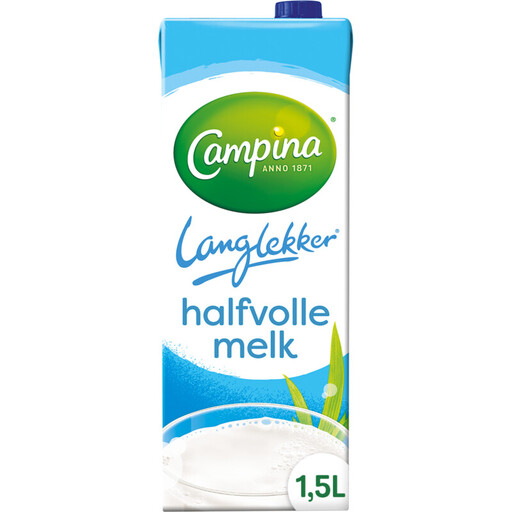
Why it suits this profile: A familiar liquid milk option for everyday use, with no need to mix powder or water.
The fat content of 1.5 grams per 100 ml is clearly stated, so you do not have to choose semi-skimmed milk based on the packaging alone.
1.5-litre pack, 3.7 grams of protein per 100 ml, plus calcium, vitamin B2 and B12 according to the product details.
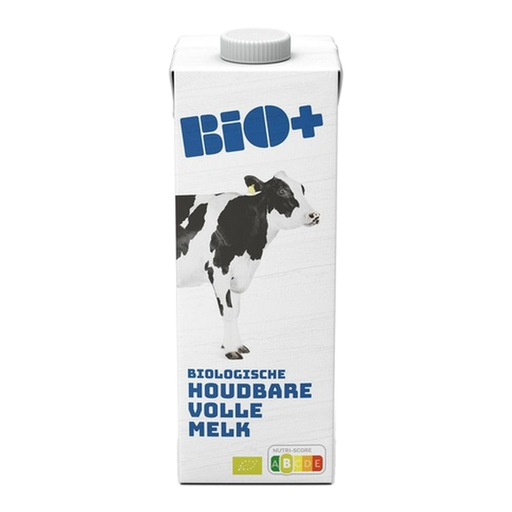
Why it suits this profile: Ideal for households looking for organic milk with the practical storage benefits of UHT milk.
The product information explicitly states its organic origin and provides storage instructions for opened and unopened use.
1-litre UHT pack providing 3.6 grams of fat, 3.4 grams of protein and approximately 122 mg of calcium per 100 ml according to the listed nutritional values.
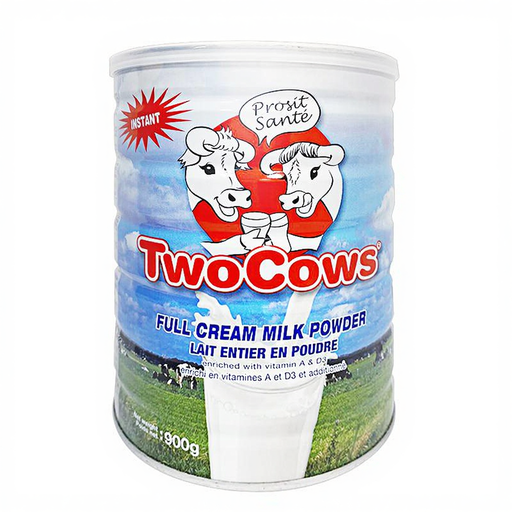
Why it suits this profile: A larger pack for families using milk powder in drinks, coffee, sauces, desserts or baking recipes.
The packaging clearly states that this is regular whole milk powder for people aged 2 and over, not baby formula.
900 grams of powder, 28.2 grams of fat and 25.7 grams of protein per 100 grams; according to the instructions, 130 grams of powder makes approximately 1 litre of prepared milk.
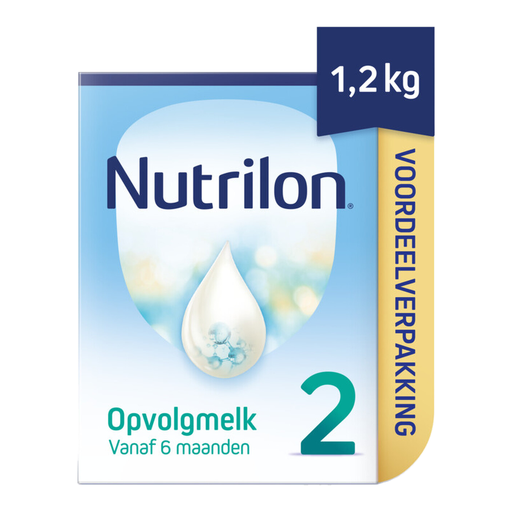
Why it suits this profile: For parents looking for follow-on milk from 6 months and focusing particularly on age suitability, preparation and keeping a good supply in stock.
The product information states that it is suitable from 6 months, along with a warning about use during the first 6 months.
1.2 kg value pack and a stated ratio of 14.4 grams of powder per 100 ml of water. Always follow the current packaging exactly.
We have put together a complete, up-to-date list of products that fully meet these strict selection criteria and the applicable European safety regulations.
It depends on the brand, pack size and preparation ratio. Calculate the price per prepared litre rather than looking only at the price per pack. Larger packs may offer a lower price per gram, but once opened, the powder still needs to be used within the stated period.
The exact period is stated on the packaging. Store the powder according to the instructions, tightly sealed, in a dry place and away from direct sunlight. Some products state that they should be refrigerated after opening; if so, follow that guidance. Do not use a product if the packaging is damaged or if its smell, colour or texture has clearly changed.
Lactose-free milk may be an option, but always check the ingredients and allergen information. Lactose-free does not automatically mean dairy-free. If you have any questions about baby formula, allergies or a specific diet, it is advisable to seek advice from a doctor, dietitian or another qualified healthcare professional.
