
Livraison le jour même et le lendemain

Qualité garantie

Débloquez vos offres de bienvenue: Livraison GRATUITE | Jusqu'à -80 % | 30 jours d'essai gratuits à JoyPlus
Téléchargez l'application
Buying milk powder may seem simple, but there’s a wide range to choose from. You’ll find whole milk powder, skimmed milk powder and instant milk powder for coffee, cooking and baking. There are also baby formula, follow-on milk and toddler milk products with age-specific formulas.
The most common buying mistakes happen when ordinary milk powder is confused with baby food, when you look only at the price per kilo, or when marketing claims are given more weight than the label. Use the checks below to choose a product that suits your household, how you plan to use it and your budget.
Whole or skimmed milk powder for everyday use is not automatically suitable for babies. Products such as Nido and Two Cows are described in the supplied product information as being intended for children aged 2 years and over. They are not intended as baby food and should not be seen as a replacement for breast milk or infant formula.
So start by checking the age guidance:
If you’re unsure about feeding a baby, it’s a good idea to speak to your health visitor, a doctor or another qualified healthcare professional.
A bulk pack of milk powder may seem like good value, but that benefit can disappear if you use it slowly and it loses quality after opening. Check the pack size, mixing ratio and how long the product keeps after opening.
A 400 g pack of milk powder is handy if you want to try it first or only use it occasionally. An 800 g pack of milk powder or a multipack is a better fit for families who use powder every day. If you bake, cook or drink it regularly, a 900 g or 1 kg pack, or a box containing several packs, may be more convenient.
Don’t compare the selling price alone. Also check:
Words such as “creamy”, “rich in calcium” or “easy to dissolve” describe a product feature or how the brand presents it. They don’t automatically mean the product will work better for everyone. According to the product descriptions, the taste and how easily different brands dissolve can vary depending on how you use and prepare them.
Use the label as your guide. Check the ingredients, allergens, nutritional information and preparation instructions. For baby formula, instructions about water, temperature, scoops and storage time are especially important.
Whole milk powder generally contains more fat and has a creamier taste. It can be a good choice for milkshakes, desserts, sauces, coffee and recipes where you want a richer texture. For example, the product information for Two Cows 900 g lists around 28.2 grams of fat per 100 grams.
Skimmed milk powder contains considerably less fat. Two Cows Skimmed Milk Powder 1000 g lists 0.7 grams of fat per 100 grams and can be used in drinks, coffee, cooking and baking. Bear in mind that a lower fat content does not mean the product is suitable for babies.
Instant milk powder is designed to mix relatively easily with warm or cold water. According to the product description, Nido 400 g is sold as instant milk powder for drinks, cooking and baking. Always check the recommended amount of water and powder. Adding extra powder yourself can change the taste and nutritional content per serving.
A small pack may be enough for coffee or tea. If you use it every day, choose a resealable pack to help stop the powder absorbing moisture.
Always check the allergens. Many products contain milk; some varieties also contain soya or fish. For example, the Nutrilon products in this selection list milk, soya and fish as allergens. Nido products may contain milk and soya because they use soya lecithin.
Always follow the information on the packaging. Product packaging can change and may contain more up-to-date details than an online product page.
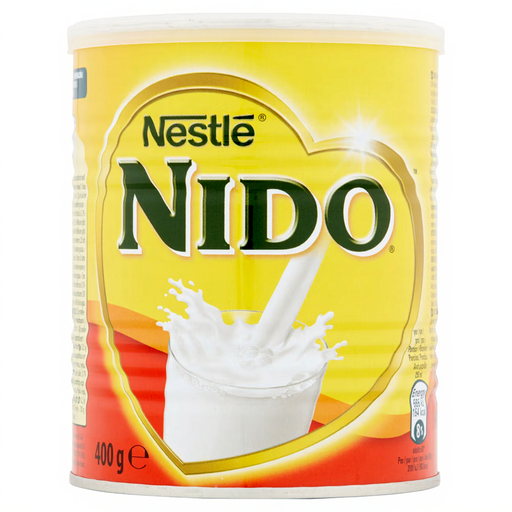
Why it suits this need: The 400 g pack is a manageable size if you want to try milk powder first or use it occasionally in drinks, desserts and baking. The product information says this variety is intended for children aged 2 years and over.
The age guidance and the difference between this product and baby formula are clearly stated. This makes it less likely that you’ll buy ordinary milk powder for a baby.
400 g pack; instant formula according to the product description; suitable for preparation with hot or cold water.
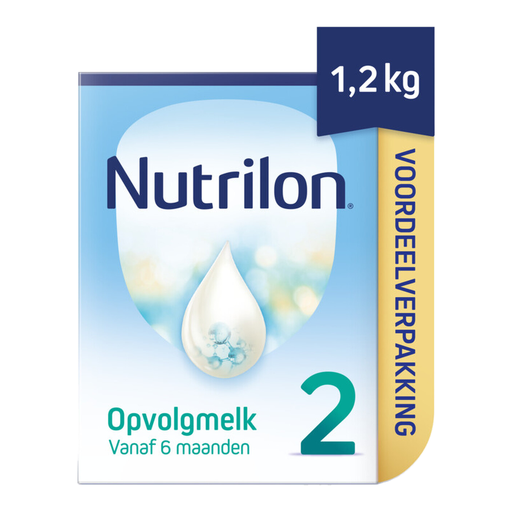
Why it suits this need: This larger pack is aimed at parents looking for follow-on milk for a baby aged 6 months and over, who value clear preparation instructions and a larger supply.
The product information clearly states that it is for babies aged 6 months and over and gives a specific powder-to-water ratio. Always follow the label.
1.2 kg value pack; clear preparation steps; use prepared milk within the stated time and discard any leftovers.
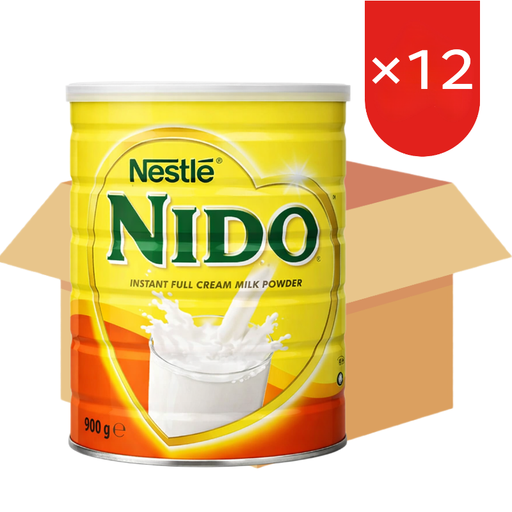
Why it suits this need: The 900 g pack is a good fit for households that regularly use milk powder in drinks, coffee, cooking and baking. The product information states that it is not suitable for babies under 12 months.
The mixing ratio is provided: 32.5 g of powder with 225 ml of water makes around 250 ml of milk. This helps you estimate how much you’ll use.
900 g pack; whole milk powder; suitable for drinks, recipes, desserts and coffee.
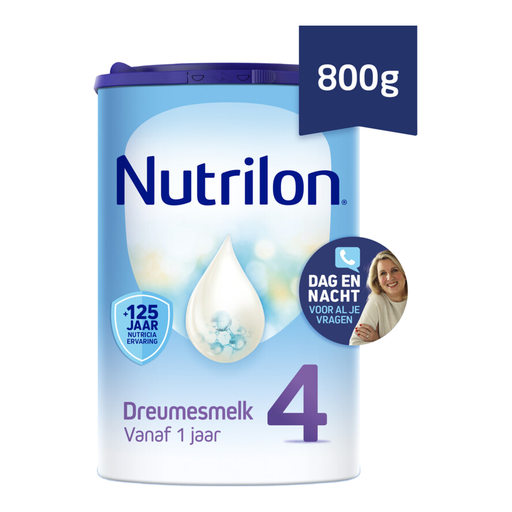
Why it suits this need: According to the product information, this toddler milk is intended for children aged 12 months and over and is designed to be part of a healthy, varied diet.
The product clearly states the stage and minimum age. This helps prevent confusion between follow-on milk, toddler milk and ordinary milk powder.
800 g pack; mixing ratio of 14.4 g of powder per 100 ml of water; allergens milk, fish and soya listed.
We’ve put together a complete, up-to-date list of products that meet these strict selection criteria and current European safety regulations.
It varies by product. Many baby formula products in this selection recommend using the product within around four weeks of opening. Nido recommends storing it in the fridge after opening and refers you to the packaging for the exact period. Always keep powder tightly sealed and follow the label instructions.
It depends on the price per pack, the mixing ratio and how much you waste. Work out the price per litre of prepared product rather than looking only at the price per gram. A bulk pack may be good value if you use it regularly, but not if you only use it occasionally.
Yes. According to their product descriptions, several types of ordinary milk powder are suitable for coffee, drinks, sauces, desserts, cooking and baking. Check whether you need whole or skimmed milk powder, and look out for allergens. Baby formula and follow-on milk are intended for specific feeding needs and aren’t automatically suitable for general recipes.
