
Vandaag of morgen in huis

Kwaliteit gegarandeerd

Welkomstaanbiedingen ontgrendelen: GRATIS bezorging | Tot 80% korting | Gratis 30 dagen JoyPlus-proefperiode
Download de app
When you’re looking for milk and plant-based milk alternatives, you’ll quickly come across dozens of varieties: whole milk, semi-skimmed milk, skimmed milk, lactose-free milk, soya drink, oat milk, vegan milk and special barista drinks. The packaging often promises a lot, but not every product is right for everyday drinking, coffee, breakfast or cooking.
The key differences are usually not in flashy marketing terms, but in ingredients, nutritional values, storage method and intended use. These checkpoints will help you avoid a bad buy.
“Plant-based” only tells you about the base of the product. A soya drink or oat milk can contain added sugar. So compare the nutritional values per 100 ml and look specifically at carbohydrates of which sugars.
For example, the unsweetened Alpro Unsweetened Soy Drink states 0 grams of sugar and 3.3 grams of protein per 100 ml. The Alpro Soya Drink Vanilla, on the other hand, contains 6.8 grams of sugar per 100 ml. The vanilla version can be nice in breakfasts or desserts, but it’s a different choice from a neutral drink for everyday use.
A barista milk or oat milk is developed for coffee and froth, not necessarily for a low calorie content or a short ingredients list. Oatly Oat Drink Barista Edition contains, among other things, oats, rapeseed oil and an acidity regulator. This composition is aimed at heating and frothing.
For ordinary consumption, a standard oat milk or soya drink may be sufficient. For cappuccino, flat white, matcha latte or chai, a barista version is more practical. Also watch out for allergens: Oatly states gluten from oats.
A pack of 6 litres of milk, 24 drinking yoghurts or dozens of portions of milk tea can lower the price per unit. However, you need to pay attention to shelf life, storage space and consumption. Once opened, a chilled product usually needs to be used within the stated time.
UHT milk and other long-life drinks can be stored unopened outside the fridge, but always check the packaging. A multipack is best suited to households that use the product regularly.
First, choose based on your use:
Look beyond calories. Also check protein, sugar, fat, saturated fat and calcium. A calcium-rich drink isn’t automatically suitable for everyone; the exact amount is in the nutritional information table.
Milk products usually contain milk as an allergen. Soya drinks contain soya, and some oat drinks contain gluten from oats. Instant milk tea can contain milk components via whey powder or sodium caseinate, even when the packaging mainly emphasises a creamy drink.
So always check:
If you’re unsure about an allergy or dietary restriction, the label is the deciding factor. Product information can change.
UHT milk is handy if you don’t want to go to the shop every day. Unopened cartons can often be stored in a cool, dark place according to the product instructions. Once opened, the carton belongs in the fridge.
For instant products, a different check applies. Xiang Yue Milk Tea is prepared per portion with 150 ml of hot water. JENI Vegan Matcha Latte can be made with hot water or plant-based milk. With powders, pay attention to the sugar content per portion and to the presence of creamer, palm oil or sweeteners.
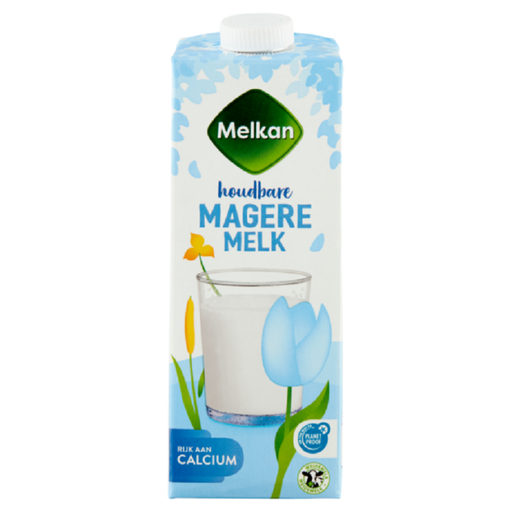
Why this fits the profile: A simple skimmed milk for coffee, tea, breakfast and recipes, without the complicated choice between many varieties.
The product description mentions a long-life variety for everyday use. Do check the current nutritional information on the packaging before purchase.
1 litre carton; suitable for drinking, hot drinks and cooking.
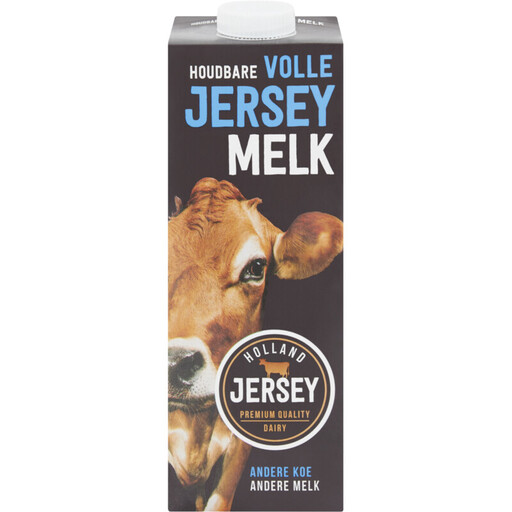
Why this fits the profile: If you’re after a full flavour and creamy texture for cappuccino, breakfast or desserts, here’s a milk variety with clear nutritional specifications.
The choice is based on the stated 6 grams of fat, 4.2 grams of protein and 140 mg of calcium per 100 grams, not just on the product name.
Whole UHT milk; according to the product information, suitable for frothing.
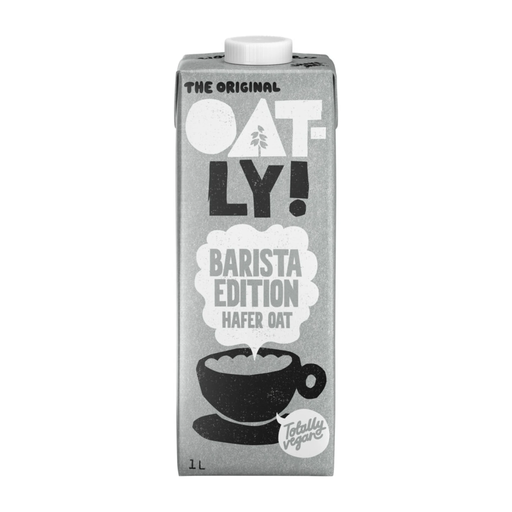
Why this fits the profile: For coffee lovers who regularly make cappuccino, latte or matcha latte with a plant-based drink.
The Barista label is backed up by the product description: the drink is developed for frothing. The label does state gluten from oats.
Plant-based; 1 litre carton; suitable for hot coffee drinks and froth.
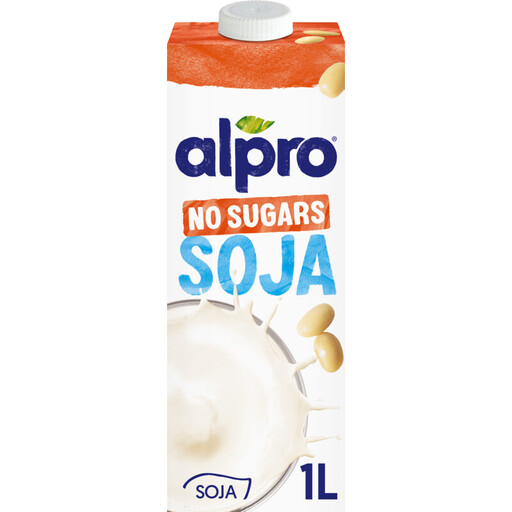
Why this fits the profile: A neutral base for breakfast, smoothies, pancakes and sauces, with no sugar according to the stated nutritional values.
Choosing an unsweetened variety prevents you from using a vanilla drink or sweetened soya drink where a neutral flavour is wanted.
Vegan according to the product description; 3.3 grams of plant-based protein and 120 mg of calcium per 100 ml.
We’ve put together a full, up-to-date list of products that fully meet these strict selection criteria and current European safety regulations.
That depends on the flavour and preparation you want. Whole milk and special barista milk generally give a creamier result. For a plant-based option, a barista oat milk is practical when you want to froth the drink. A standard semi-skimmed milk or soya drink can be enough for coffee without much froth.
Lactose-free milk remains a dairy product and contains milk as an allergen. Soya drink is plant-based and contains soya. So don’t just compare the name, but also protein, calcium, sugar and allergens. Always check the current label for dietary requirements.
Unopened UHT milk and long-life plant-based drinks can be stored outside the fridge according to the packaging. Once opened, they must be kept chilled and used within the stated period. Drinking yoghurt, fresh milk and opened multipacks often have a shorter use-by time. So always check the date and storage advice on the product.
