
Vandaag of morgen in huis

Kwaliteit gegarandeerd

Welkomstaanbiedingen ontgrendelen: GRATIS bezorging | Tot 80% korting | Gratis 30 dagen JoyPlus-proefperiode
Download de app
A milk frother can quickly turn an ordinary coffee into a cappuccino, latte macchiato or iced coffee. However, the differences between models can be significant. Some appliances only froth milk cold, while others heat it automatically. Capacity, cleaning and power supply also determine whether a purchase remains convenient in everyday use.
For UK households, three pitfalls are particularly relevant:
An electric milk frother is suitable if you want to prepare hot or cold drinks at the touch of a button. A manual milk frother or whisk is usually cheaper and takes up little space, but requires more attention while heating and frothing. For everyday use, an automatic model is often more convenient.
Consider these points before placing your order.
For cappuccino, you will usually need hot milk foam. For iced coffee, a milk frother for hot and cold milk foam is more practical. Check that both settings are clearly listed in the product information. An appliance that only heats milk is not the same as a milk frother that also actively produces cold foam.
A milk frother for latte macchiato must also be able to produce sufficiently liquid yet firm foam for creating several layers. Do not expect identical results with every type of milk; temperature, fat content and protein content all affect the texture.
Look at two different values:
Foam expands, so never fill the jug above the indicated mark. The Melitta Cremio II specifically warns that expanding foam can lift the lid if the mark is exceeded. A model with a larger heating capacity is therefore not automatically suitable for producing a large amount of milk foam.
For one or two coffees, around 120 to 250 ml is often sufficient. A household that also makes hot chocolate may benefit more from a model with a separate heating function and a larger jug.
Milk can quickly stick to the surface if a reservoir does not have a suitable coating or is not cleaned straight away. A non-stick coating can help remove residue, according to the product information from various brands, but rinsing the appliance after every use is still advisable.
Also check:
A dishwasher-safe milk frother is particularly useful for everyday use. Only place parts in the dishwasher if the instructions state that they are suitable for it. Never immerse the base, plug or cable in water.
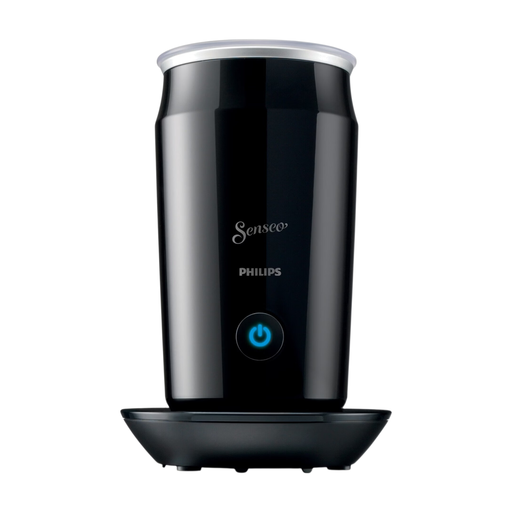
Why it suits this profile: This compact model is designed for everyday use with cappuccino, latte macchiato and iced coffee. According to the product specifications, its 120 ml capacity is sufficient for around two cappuccinos.
The product information lists both hot and cold frothing, so you are not limited to one preparation method. The non-stick coating and dishwasher-safe parts reduce the amount of additional cleaning required.
120 ml capacity; hot and cold milk foam; non-stick coating; dishwasher-safe according to the stated specifications.
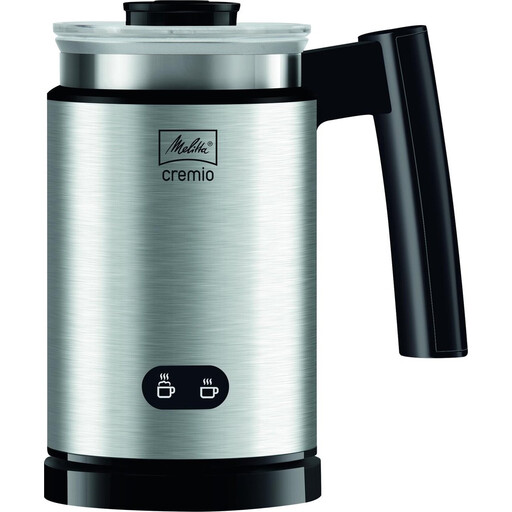
Why it suits this profile: According to the product specifications, this electric milk frother has a power rating of 450 W, automatic switch-off, a heating function and a stainless-steel reservoir.
The coating inside the milk reservoir is designed to help prevent scorching. At the same time, the manual warns against overfilling and states that a two-minute cooling period applies when the sensor still detects heat.
Automatic programmes; 450 W; 360-degree rotating base; lid with mixer is dishwasher-safe according to the product information.
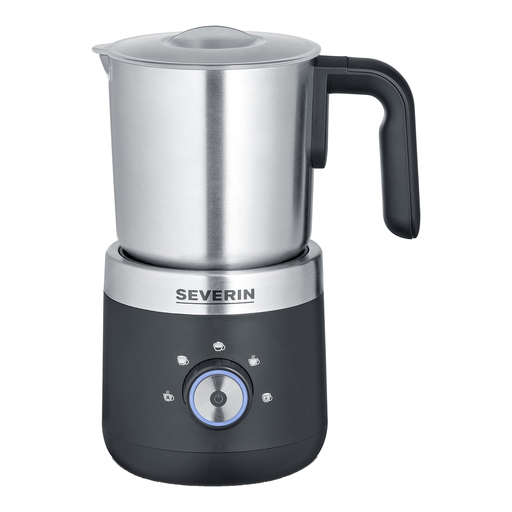
Why it suits this profile: This model is a good choice for households that want to make hot chocolate as well as speciality coffees. According to the stated information, the jug heats up to 300 ml and froths up to 150 ml.
The dedicated chocolate function makes its intended use clearer than with a model that only froths milk. The two quantity settings help you avoid preparing more milk than necessary.
Hot and cold frothing; chocolate function; 300 ml heating capacity; stainless-steel reservoir that is dishwasher-safe according to the product description.
We have put together a complete, up-to-date list of products that fully meet these strict selection criteria and the applicable European safety regulations.
That depends on the model and the result you want. According to Melitta’s product information, oat, soya, lactose-free and cow’s milk can all be used, among others. The foam may vary from one type to another. A higher protein content can contribute to a more stable foam structure, but it does not guarantee the same result with every brand or recipe.
The lifespan depends on how the appliance is used, cleaned and handled, particularly its electrical components. Do not allow milk to stick for long periods, do not exceed the fill mark and prevent the base from getting wet. Also check the warranty conditions. Several of the models mentioned are covered by a statutory minimum warranty of two years under EU consumer law; additional rights may apply under national law.
Consumption depends on the power rating and how long the appliance is used. A 450 or 550 W model mainly uses electricity during its short heating cycle. A manual or rechargeable milk frother does not use mains electricity while frothing, although a rechargeable model does need to be charged periodically. So do not look only at the wattage; also consider how often and for how long you use the appliance.
