
Vandaag of morgen in huis

Kwaliteit gegarandeerd

Welkomstaanbiedingen ontgrendelen: GRATIS bezorging | Tot 80% korting | Gratis 30 dagen JoyPlus-proefperiode
Download de app
Milk chocolate might seem simple to choose, but packaging can vary in size, filling, ingredients and allergens. A large bar isn't automatically better value, and a well-known origin doesn't always tell you about the composition. When shopping online, it's worth checking the label and thinking about when you'll eat it first.
A 180g or 250g bar may look attractively priced, but it often contains more sugar and saturated fat per pack than a small milk chocolate bar. So always compare the price per 100g, not just the total price.
A large size is practical for a family or a film night, though. For a small treat, individual portions or a 90g to 100g bar are often more convenient.
Words like "creamy", "extra filled" or "with caramel" don't tell you how much of that ingredient is actually present. According to the product information, Tony's Chocolonely Milk Chocolate Bar Caramel Sea Salt contains 10% caramel pieces and 0.5% sea salt. With other products, the flavour might come mainly from flavourings or caramel powder.
So always check the ingredients list. Ingredients are listed in descending order by weight. If sugar is at the top, it makes up the largest part of the recipe.
Milk chocolate typically contains milk and often soya. Chocolate with nuts, praline or biscuits may also contain hazelnuts, almonds, wheat or barley. Always check the current packaging, especially if you have an allergy or intolerance.
A claim like halal, vegetarian or Fairtrade must apply to the specific product. The product information for AE Chocodate mentions halal certification, while the Tony's Chocolonely bars in this selection are described as Fairtrade and vegetarian. Before you buy, also check the label and the manufacturer's certification information.
The cocoa percentage is a useful way to compare, but it doesn't determine the flavour alone. Tony's Chocolonely standard milk chocolate states a minimum of 32% cocoa solids. The Dark Milk variant contains a minimum of 42% according to the product description, which usually makes it less sweet and more cocoa-forward.
A higher percentage doesn't automatically mean everyone will prefer the taste. For children or those who love soft, sweet chocolate, a classic milk chocolate is often a better fit. If you're after more cocoa flavour, a dark milk variant is worth considering.
Pay attention to the difference between a solid bar, a filled bar, chocolate pralines and chocolate wafers:
With individual portions, it's useful to check the weight per piece. The Japanese KitKat Gold pack contains nine pieces of around 11.6g each. That makes sharing easier than with a large, undivided bar.
Use the nutrition table to compare products fairly. In the selected examples, the energy value ranges from around 471 to 622 kcal per 100g. Lindt Lindor Milk Chocolate states 622 kcal per 100g, partly due to its soft filling and fat content. Smarties states 471 kcal per 100g.
Alongside calories, also look at sugars, saturated fats and portion size. The nutritional information isn't a taste test, but it does help you make a choice that suits your intended use.
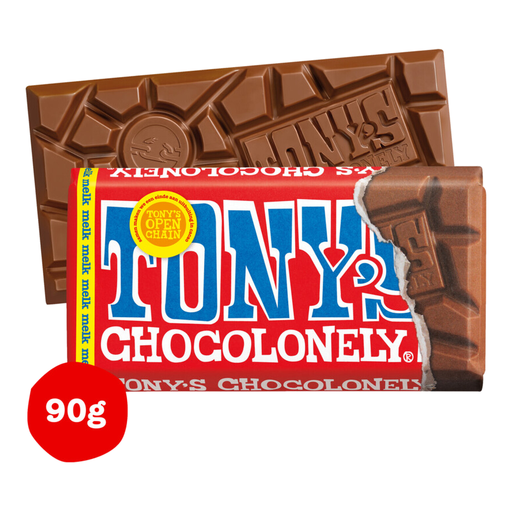
Why it fits this profile: A recognisable milk chocolate bar at 90g for anyone after a classic flavour and a straightforward size.
The weight and the stated minimum cocoa content of 32% make it easier to compare with other bars.
Belgian milk chocolate, minimum 32% cocoa solids, Fairtrade and vegetarian according to the product information.
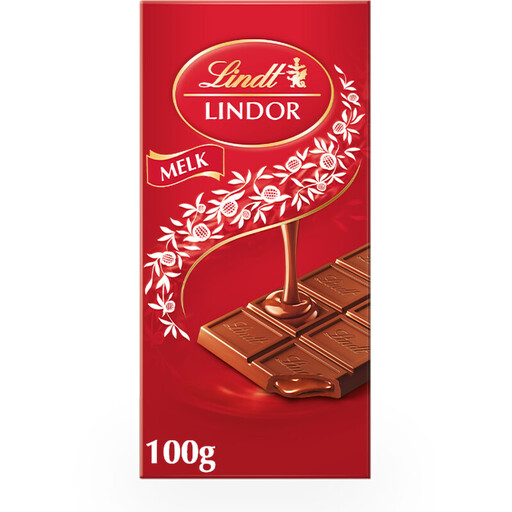
Why it fits this profile: Ideal for a quiet moment of indulgence where a soft filling matters more than a crunchy bite.
The product description clearly mentions a soft, melting filling. So you know exactly what texture difference to expect compared with a solid bar.
100g, Swiss milk chocolate according to the product information and a soft filling; contains milk, soya, lactose and gluten.
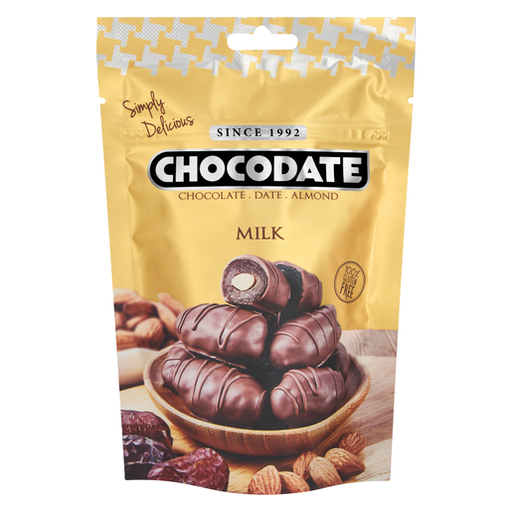
Why it fits this profile: A choice for sharing, a small gift or a snack with multiple textures: dates, almonds and milk chocolate.
The product is individually wrapped and the ingredients list dates and almonds explicitly. This makes the intended use clearer than a general taste claim.
Halal-certified according to the product information, suitable for vegetarians and labelled gluten-free; contains milk, soya and almonds.
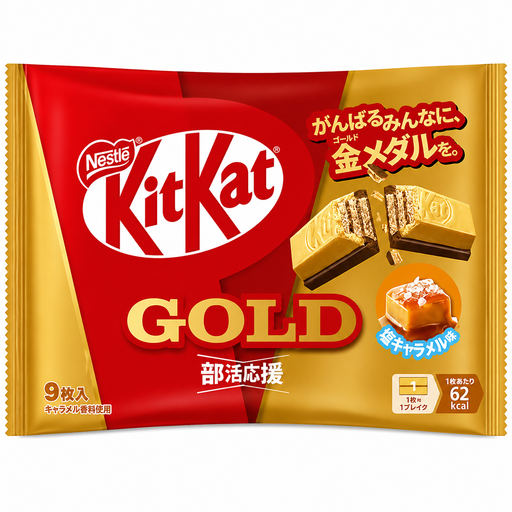
Why it fits this profile: Nine individual wafers are practical for lunchboxes, visitors, on-the-go or a shared snack.
The pack states nine pieces and the approximate weight per piece. This helps with sharing and stops a large bar from being eaten without thinking.
Crispy wafer, caramel sea salt flavour and nine portions; contains wheat, milk and soya and may contain traces of egg, almond and sesame.
We've put together a full, up-to-date list of products that fully meet these strict selection criteria and current European safety regulations.
For a chocolate gift, pralines, individually wrapped pieces or an eye-catching pack are practical. According to the product information, Milka Happy Birthday Milk Cream Pralines contains 20 pralines and has space for a personal message. Do check the allergens: this product contains milk, soya, hazelnut and other nuts, among other things.
Store milk chocolate in a cool, dry place, out of direct sunlight and away from heat and moisture. A fridge is usually not necessary. Once the pack is opened, seal it well to limit odour and moisture absorption. Always follow the storage advice on the packaging.
Belgian milk chocolate and Swiss milk chocolate can differ in recipe, cocoa percentage, milk content and processing. The origin alone doesn't determine the flavour. So compare the ingredients, the cocoa percentage and the nutritional information. For a different snack experience, Japanese chocolate snacks such as Pocky, Hello Panda and KitKat variants are also worth a look.
