
Vandaag of morgen in huis

Kwaliteit gegarandeerd

Welkomstaanbiedingen ontgrendelen: GRATIS bezorging | Tot 80% korting | Gratis 30 dagen JoyPlus-proefperiode
Download de app
Ordering a bar of milk chocolate online seems simple. Yet photos and marketing copy can conceal important differences. You may find that the pack contains less than expected, the filling is mostly sugar or allergens are not listed clearly on the front of the packaging. This guide helps you compare milk chocolate using verifiable criteria, so you can make a more informed choice for a snack, chocolate to share or a gift.
A wide pack or multipack may look substantial, even though the net quantity is limited. Always check the weight in grams and the number of individual portions. A 90-gram bar is ideal for a small treat, while 180, 200 or 250 grams is better suited to sharing or enjoying over several days.
“Chocolate with caramel”, praline or hazelnuts can mean different things. Check the ingredients list to see how much filling or how many pieces have actually been added. According to the product information, Côte d'Or BonBonBloc contains 25% praline and 20% soft caramel. Tony’s Chocolonely Milk Caramel Seasalt contains 10% caramel pieces and 0.5% sea salt. Percentages like these give you more useful information than the name on the front of the pack alone.
Milk chocolate usually contains milk ingredients, but filled bars and chocolates may also contain soya, hazelnuts, almonds, gluten or egg. Check both “contains” and “may contain” statements. This is particularly important when buying a gift or when several people will be sharing a bar. The packaging of the product supplied remains the definitive source, as ingredients and allergen information may change.
Cocoa content helps you compare different milk chocolates, but it does not determine the flavour on its own. Tony’s Chocolonely states a minimum of 32% cocoa solids for several of its bars. The Dark Milk variant states a minimum of 42%, giving it a more pronounced flavour than standard milk chocolate, according to the product description.
Also pay attention to the order of the ingredients. In the EU, ingredients are listed in descending order by weight. If sugar appears first, it makes up a substantial part of the recipe. With filled chocolate, it is also useful to check the fats, milk ingredients, nuts and biscuit or caramel pieces used.
Bars weighing 180 to 250 grams are practical for families or film nights. A multipack with individually wrapped portions is more convenient when you want to hand out or take chocolate with you. AE Chocodate consists of individually wrapped dates with almonds in milk chocolate. This makes it suitable for sharing, although the ingredients list does state that it contains milk, soya and almonds.
Resealable packaging can help you store the chocolate more effectively after opening. However, it will not keep chocolate fresh indefinitely: always follow the storage advice on the label.
Compare products per 100 grams when reviewing nutritional values. Examples from the product information provided:
This information is intended to help you compare products, not to provide nutritional or health advice. If you have allergies, always check the most recent packaging.
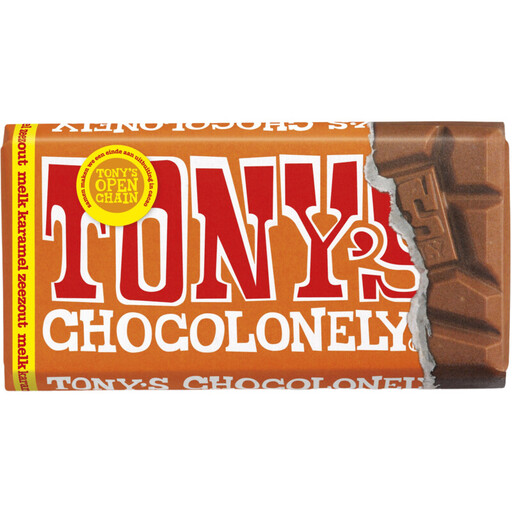
Why it suits this profile: The 90-gram size keeps the purchase manageable. The combination of milk chocolate, caramel pieces and sea salt offers more variety than a standard bar.
The weight is clearly stated, and the product information specifies 10% caramel pieces and 0.5% sea salt. This makes it easier to assess the flavour profile than by relying on the product name alone.
90 g, at least 32% cocoa solids, Fairtrade according to the product information, and suitable for vegetarians. Contains milk and soya.
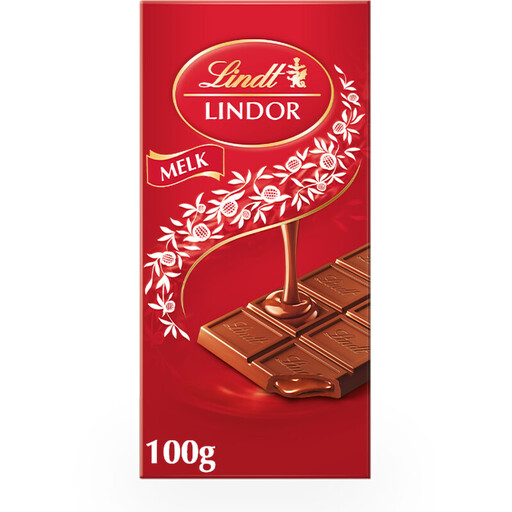
Why it suits this profile: If you are primarily looking for a soft filling, this milk chocolate bar offers a soft, melting centre, according to the product description.
The product information clearly states that this is milk chocolate with a soft filling. Do check the allergens, however: milk, soya, lactose and cereals containing gluten are listed.
100 g, Swiss milk chocolate according to the product information, with a soft filling. May contain traces of hazelnuts, almonds and other nuts.
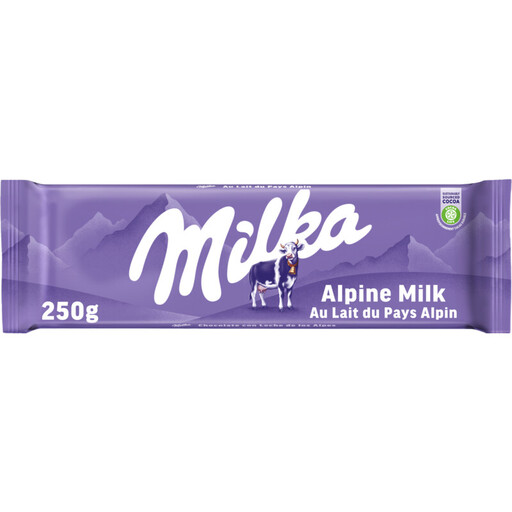
Why it suits this profile: The 250-gram size is practical for families, guests or sharing. The resealable packaging helps with storage after opening.
The net quantity is 250 grams, and the packaging is resealable according to the product information. Do check the allergens before buying, including milk, soya and hazelnuts.
250 g, at least 33% cocoa solids according to the product information, and suitable for enjoying over several occasions.
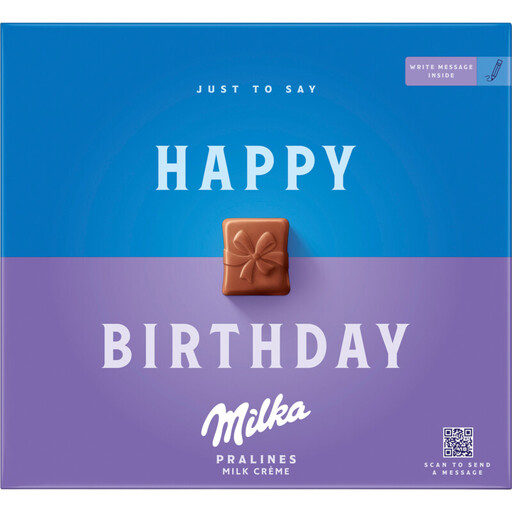
Why it suits this profile: According to the product information, the box contains 20 pralines and has space for a personal message. That makes it a fitting choice for a birthday or thank-you gift.
The number of pieces and the weight are stated, so you do not have to judge the gift packaging by its appearance alone. The box is resealable according to the product information.
110 g, 20 milk chocolate pralines and space for a message. Contains milk, soya, hazelnuts and other nuts.
We have put together a complete, up-to-date list of products that fully meet these strict selection criteria and the applicable European safety regulations.
Store bars, chocolates and pralines in a cool, dry place, away from direct sunlight and sources of heat. A fridge is usually not necessary and moisture can affect the texture and aroma. Seal opened packaging securely. On delivery, check that the packaging is undamaged and refer to the label for the best-before information.
In warm weather, chocolate may soften during transport. This does not automatically mean that the product is unsafe, but its texture may change. Follow the manufacturer’s storage advice and do not use any product whose packaging is damaged.
Milk chocolate contains milk ingredients and usually has a softer, creamier flavour. Dark chocolate generally contains more cocoa solids and fewer or no milk ingredients. Always compare the cocoa percentage and ingredients list, as recipes vary between brands and variants.
Check the date on the packaging. According to the product information, unopened chocolate should be stored in a cool, dry place. Once opened, it is important to seal it properly. With pralines or products containing a soft filling, the recommended period for consumption may differ from that of a standard bar.
Pralines and chocolates in an attractive box are practical for birthdays, thank-you gifts and visits. A larger bar is a better choice when you want chocolate to share. When buying a gift, always check the allergens and choose the size based on the number of recipients. This helps ensure that attractive packaging is also suited to the occasion.
