Vandaag of morgen in huis

Kwaliteit gegarandeerd

Welkomstaanbiedingen ontgrendelen: GRATIS bezorging | Tot 80% korting | Gratis 30 dagen JoyPlus-proefperiode
Download de app
The day has its own rhythm, marked by quiet transitions. The first light, the midday break, the moment the workday transitions into evening. It is precisely in these interludes that an opportunity for a small, deliberate ritual lies. A cup of tea or coffee, accompanied by something simple. An act not meant to satisfy hunger, but to momentarily slow down time. It is a moment of calibration, an anchor in the flow of the day.
This ritual of the pause is universal, yet its execution is personal and culturally defined. In the Netherlands, the midday snack is an established part of the daily structure. It is a practical response to a dip in energy, but also a moment of connection—with oneself or with others. The choice of what we eat at such a moment says something about our need for comfort, convenience, or a touch of adventure.
A good snack is more than just sustenance. It is an object of design, with a considered form, texture, and function. Classic milk biscuits are a perfect example of this. The flavour is familiar, a reminder of childhood. The texture—often a balance between crisp and soft—provides a satisfying sensory experience. It is this simplicity that makes them so versatile: suitable for a child's lunchbox, but also as an understated accompaniment to a strong espresso.
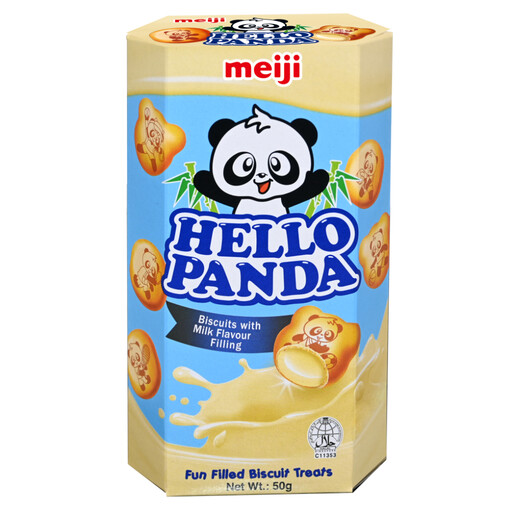
In recent years, we have seen an interesting evolution. The foundation of the milk biscuit remains, but its form is being reinvented. Consider a biscuit with a milk filling, where the soft core forms a surprise within the crunchy exterior. Or biscuits with milk chocolate, which add an extra layer of richness. These variations show a desire for more complexity, without losing sight of the original comfort.
At the same time, external influences are enriching our tastes. Asian snacks, particularly Japanese biscuits, have secured a firm place in our pantries. They bring with them a different aesthetic: playful, refined, and often surprising in their flavour combinations. The popularity of Pocky sticks illustrates this. Their slender, elegant shape and thin coating offer a lighter, less overwhelming experience than many European counterparts. It is a snack that invites sharing, but is also perfect for a moment alone. Furthermore, the practical nature of individually wrapped biscuits aligns seamlessly with our need for a functional snack for school or on the go.
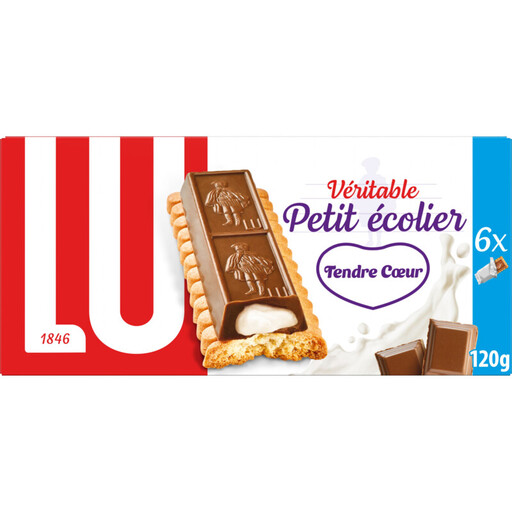
The art is to curate a collection that suits different moments and moods. For the classic coffee moment, there is the familiar elegance of a European biscuit. A biscuit like Lu Scholiertje Milk Chocolate Biscuits combines a butter biscuit with a tablet of milk chocolate, a design that is both timeless and functional. For those seeking a gluten-free option, the Verkade Gv Oaties Milk Chocolate offer a similar experience with the robust texture of oats. These biscuits are designed for the ritual of dipping, a small act that slows down the break.
For moments when playfulness and discovery take centre stage, Asian snacks offer a solution. The iconic Glico Pocky Milk Flavored Biscuit Sticks are a study in minimalism, while the Orion Mushroom Milk Chocolate Flavor Cookies evoke a smile with their mushroom shape. They are a conversation piece and a treat in one. For the lunchbox or a quick break, the individually wrapped portions of Liga Milkbreak Cookies With Milk Filling are a practical choice, designed for convenience and a balanced portion.
Sometimes, a moment calls for a softer texture, something that leans more towards cake than a crisp biscuit. The Bakery Village Fresh Milk Cake offers just that: a light, soft texture with a subtle milk flavour. It is a snack that offers comfort, a gentle interruption to a busy day. The choice of a specific biscuit thus becomes a deliberate act, a small but meaningful way to shape the pauses that structure our daily lives.
For those who wish to explore a wider selection of malt and milk flavoured biscuits, the full archive offers further inspiration.