
Vandaag of morgen in huis

Kwaliteit gegarandeerd

Welkomstaanbiedingen ontgrendelen: GRATIS bezorging | Tot 80% korting | Gratis 30 dagen JoyPlus-proefperiode
Download de app
Milk biscuits are a firm favourite with families, in lunchboxes and alongside a cup of tea or coffee. Yet products that feature milk on the front often look more alike than they actually are. One biscuit contains a milky filling, another relies mainly on milk powder or a creamy flavouring. Portions, allergens and nutritional values also vary considerably.
This guide helps you compare milk biscuits, cookies with milk and filled varieties on the points that really matter in everyday use.
Packaging often shows milk, cream or a creamy centre in large images. So always check the ingredients list. With Liga Milkbreak, the filling makes up 27% of the biscuit according to the product information, and the product contains lactose, milk protein and milk powder among other ingredients. Some other milk biscuits rely mainly on milk powder or a flavouring.
Also pay attention to the difference between milk-filled biscuits, biscuits with milk in the dough and biscuits with a milky taste. This determines the texture and the intensity of the flavour.
A small size or a fun shape doesn’t automatically make a biscuit suitable for every age. Look at:
Liga Children’s Biscuits, for example, states a recommended age from 6 months when crumbled into porridge and from 10 months as a biscuit. According to the product information, a child should be sitting upright and supervised while eating. Always follow the current packaging and the manufacturer’s instructions.
A multipack with small portions is practical for school, work or on the go. It stops a whole bag being opened at once and keeps the biscuits fresher for longer. On the other hand, the price per 100 grams can be higher than with a large sharing pack. So compare both the total weight and the number of portions.
Milk biscuits often also contain wheat, gluten, soya or egg. With filled biscuits and wafers containing milk, nuts or peanuts are sometimes added too. Check the ingredients list with every purchase, even if you’ve bought the product before. Recipes and packaging can change.
With international snacks, such as Asian milk biscuits, the product information on the website may differ from the label. The packaging is the most up-to-date source for allergens, shelf life and storage advice.
The nutritional value per 100 grams makes comparison easier. Some examples from the product information:
A portion of two biscuits can work out very differently in practice from a loose handful from a large bag. So look at the portion information and not just at claims on the front. According to the manufacturer’s own information, Liga lists calcium, iron, fibre and vitamin B6 among the contents of Milkbreak; this information relates to the composition and is not a reason to see the product as a replacement for a varied diet.
For a lunchbox, small, firm biscuits or individually wrapped portions are practical. Crunchy milk biscuits work well as a snack with tea or coffee, while filled biscuits and wafers have a softer or creamier bite. For young children, large, hard pieces are less practical; choose a product with a suitable age recommendation and supervise them while eating.
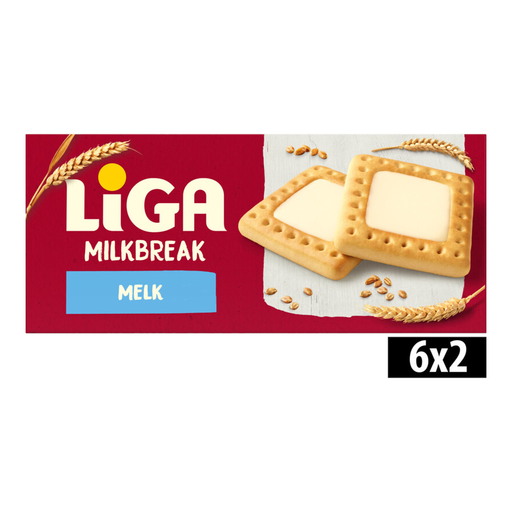
Why this fits the profile: The pack contains six portions of two biscuits each. This makes portion control and taking them with you easy for school, work or on the go.
The portions are pre-divided, so you’re less likely to leave a large bag open or accidentally serve too many.
245 grams total weight, milk filling, a crunchy cereal layer and clear allergen information for wheat, milk, egg and soya.
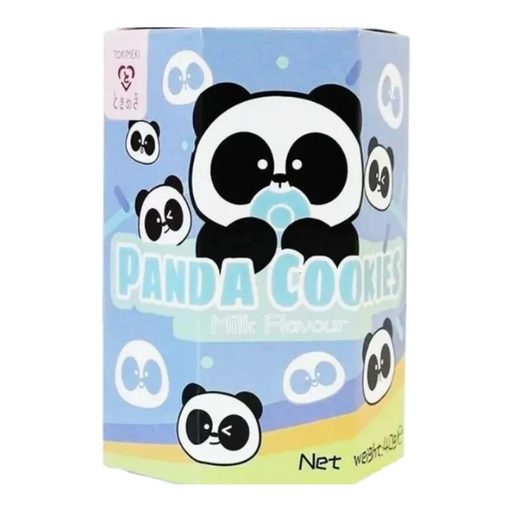
Why this fits the profile: The panda shape and compact packaging appeal to fans of international snacks and small treats for the lunchbox.
The 40-gram portion limits waste. Do check the current packaging yourself for allergens and ingredients.
Crunchy panda biscuits with milk powder, vegetarian according to the product information and free from artificial colours and preservatives according to the product description.
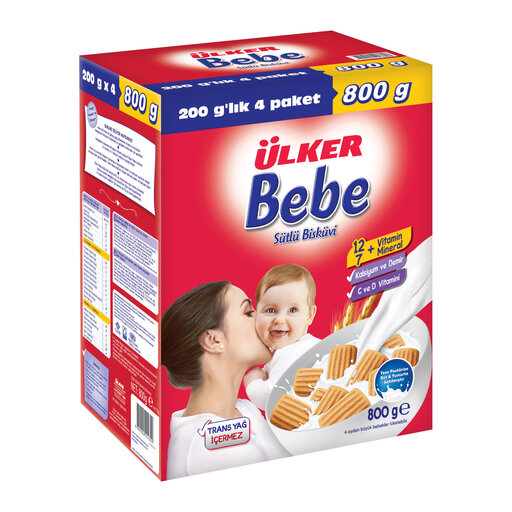
Why this fits the profile: The large pack is aimed at households that regularly serve biscuits with milk or want to keep a stock in.
The weight is clearly stated, so you can compare the price per 100 grams with smaller packs.
800 grams, containing milk and egg according to the ingredients list, plus a mention of halal suitability in the product information.
We’ve put together a full, up-to-date list of products that fully meet these strict selection criteria and comply with current European safety regulations.
Store milk biscuits in a cool, dry place, away from direct sunlight and moisture. Seal an opened pack tightly. Wafers with milk and filled biscuits lose their crunch more quickly when they become damp. Check on receipt that the packaging is undamaged and look at the best-before date on the label.
For on the go, individual sachets are practical. For home, a resealable sharing pack can be better value. Products with chocolate or a soft milk filling are best kept out of a warm car or away from direct heat sources like a radiator.
That depends on age, size, hardness and ingredients. Check the age recommendation and allergens on the packaging. Always make sure young children are sitting upright and supervise them while eating. A biscuit with milk is also a sweet snack and not a replacement for a varied diet.
Milk biscuits can contain milk powder, lactose or milk protein in the dough. Milk-filled biscuits also have a separate filling. This makes them creamier, while ordinary milk biscuits usually have an even, crunchy texture.
That varies per product and packaging. Seal the bag well and store the biscuits in a dry place. Individually wrapped portions generally keep their flavour better than a large opened bag, but always follow the storage advice and shelf-life information on the packaging.
