
Vandaag of morgen in huis

Kwaliteit gegarandeerd

Welkomstaanbiedingen ontgrendelen: GRATIS bezorging | Tot 80% korting | Gratis 30 dagen JoyPlus-proefperiode
Download de app
Milk biscuits come in many forms: crunchy biscuits, cookies with a creamy filling, panda-shaped biscuits and biscuit sticks coated in milk chocolate. That makes choosing seem simple, but packaging can hide important differences. A small bag isn’t always better value, a milk variety doesn’t automatically contain lots of milk, and an attractive Japanese packet tells you little about allergens or portion size.
With this practical checklist, you can compare milk biscuits and international cookies on the features that really matter for everyday use.
“Milk”, “melk” or “milk flavour” on the front doesn’t always refer to the same composition. So always check the ingredients list. Milk can appear as milk powder, lactose, whey powder, cream or milk solids. In some products, the milky taste mainly comes from flavourings.
Also look at the order of ingredients. Ingredients are usually listed from largest to smallest. If wheat flour comes first and milk powder is further down, the product is essentially a wheat biscuit with a milky flavour.
A 245g or 300g pack might look appealing for families, but pay attention to how the biscuits are divided. Individual or double-portion packs can be handy for school and work, while a large open bag at home loses its crunch more quickly.
Compare the price per 100g, not just the price of the pack. For on-the-go, a 35g to 50g bag can be more practical than a large pack.
Some milk biscuits are promoted with fibre, calcium, iron or vitamins. According to product information from LiGA Milkbreak and belVita, these products contain such nutrients in the stated amounts. Treat this as product information, not a reason to consider a biscuit as a complete meal or health product. Always check the current packaging, as recipes and labels can change.
For shoppers with an allergy or intolerance, the allergen information is the most important part of the label. Many milk biscuits contain wheat, milk and soya. Some varieties also contain egg, barley, peanuts or nuts, or mention possible traces.
Examples from the range:
If you have an allergy, always use the label on the packaging you receive as a guide. Product information in a webshop can change in the meantime.
Think about what you’re buying the biscuits for. A dry, crunchy milk biscuit goes well with coffee or tea. Filled milk biscuits have a softer or creamier centre, but can be more sensitive to heat. Biscuit sticks with chocolate are easy to share, but the coating can melt in a warm bag or car.
Look out for descriptions such as:
Compare the nutritional value per 100g when you’re weighing up products. In the product information provided, the energy value of different varieties ranges from roughly 442 to 528 kcal per 100g. The sugar content also varies. For example, Lu Mikado lists 34g of sugar per 100g, while Furuta KAMAYAKI lists 1.5g according to the stated product information.
That difference doesn’t automatically mean one product is more suitable for everyone. The preparation method, recipe and measurement basis can differ. So also look at the actual portion you usually eat.
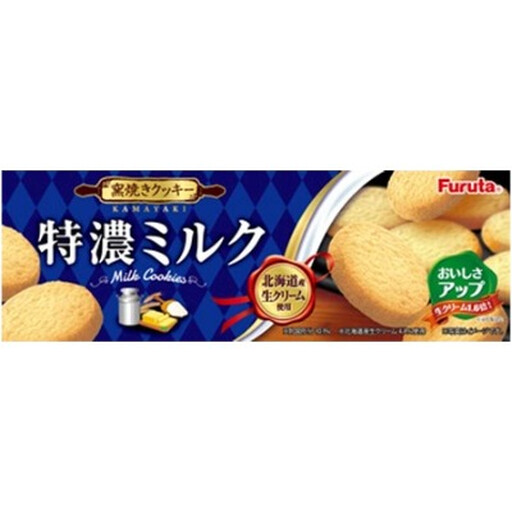
Why this fits the profile: A compact pack for anyone who wants to try a classic milky flavour without buying a large stock straight away.
The 92g weight is clearly stated, and the product information lists wheat, milk and soya as allergens.
Crunchy biscuits with a rich milky flavour; suitable as a snack or with coffee.
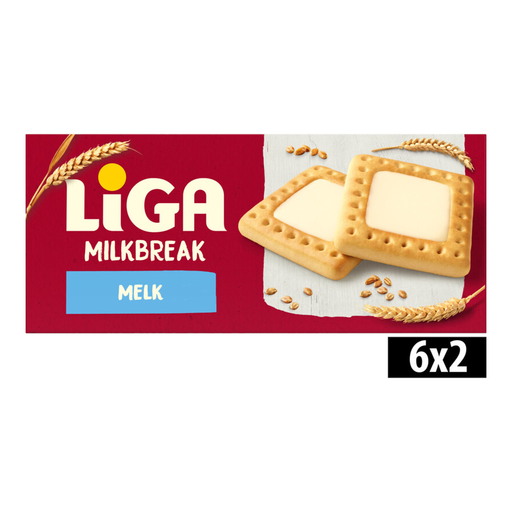
Why this fits the profile: The double portions suit families, school bags and shoppers who want to keep biscuits organised.
According to the product information, the pack contains six pouches with two biscuits each, making portions easy to divide.
Wheat biscuits with 27% milk filling; according to the product information, a source of fibre and iron, and rich in calcium and vitamin B6.
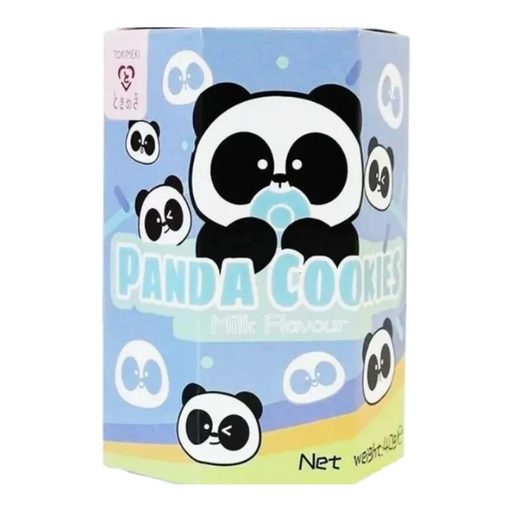
Why this fits the profile: The small panda-shaped biscuits are ideal for lunchboxes, a quick break or sharing with children.
The 40g size makes the portion clear. The allergen information lists wheat and milk, and warns of possible traces of egg, soya and nuts.
Panda shape, crunchy texture and a milky flavour in a portable pack.
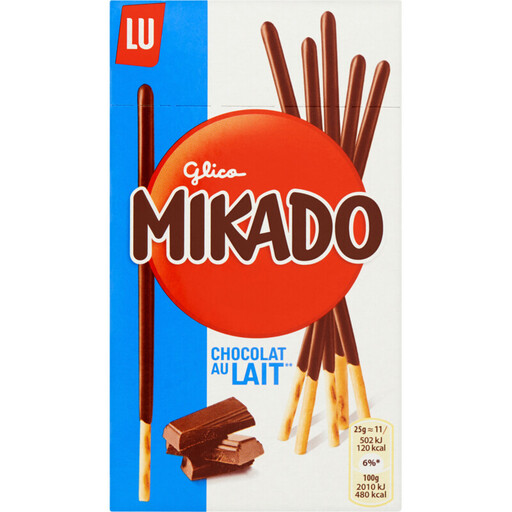
Why this fits the profile: Handy for sharing, a coffee break or decorating desserts. The pack contains three portions of eleven biscuit sticks.
The portion division is clearly described. Do check the storage temperature, as milk chocolate can melt.
Thin, crunchy biscuit sticks with 49% milk chocolate according to the product description; also suitable for desserts.
We’ve put together a full, up-to-date list of products that fully meet these strict selection criteria and comply with current European safety regulations.
Store milk biscuits according to the label: cool, dry and out of direct sunlight, and seal the pack well after opening. This is especially important for filled milk biscuits and biscuits with milk chocolate. For school, work or travel, it’s better to take a small pack or a separately sealed portion. Check the best-before date before use, and don’t use a pack if it’s damaged.
That depends on the ingredients, allergens and portion size. Always check the packaging. As well as milk and wheat, also look out for egg, soya, peanuts and nuts. A small bag or a two-person portion can be practical, but a biscuit remains a sweet snack and not a replacement for a full meal.
Milk biscuits can have a milky flavour in the biscuit itself. Filled milk biscuits also contain a separate cream or milky filling. That filling often gives a softer texture and a sweeter taste. Look on the ingredients list for terms such as milk powder, lactose, cream, whey powder or “milk filling”.
The shelf life and quality depend on the date on the pack, moisture and how you store them. Unopened biscuits generally stay good until the stated date when kept dry and away from heat. After opening, a well-sealed pack helps keep the crunchy texture for longer.
