
Vandaag of morgen in huis

Kwaliteit gegarandeerd

Welkomstaanbiedingen ontgrendelen: GRATIS bezorging | Tot 80% korting | Gratis 30 dagen JoyPlus-proefperiode
Download de app
Anyone buying milk biscuits online will quickly notice many similar-looking packets. Yet biscuits, wafers and biscuit sticks vary greatly in filling, portion size, allergens and nutritional values. An attractive picture tells you little about the amount of milk, the texture or the size of the pack.
For home, school, on the go or with your coffee, it therefore helps to look at the product information first. Below are the main pitfalls, key points to check, and some suitable choices for different occasions.
The front of the pack sometimes shows a glass of milk or a creamy filling. That doesn’t mean the product contains a high percentage of milk ingredients. Check the ingredients list for terms such as milk powder, lactose, whey powder, milk fat or milk protein. Also look at the stated percentage when a filling or milk chocolate is specifically highlighted.
For example, the LiGA Milkbreak states a milk filling of 27%. The product information also mentions milk protein, skimmed milk powder and whole milk powder. That’s more concrete than just a general flavour description.
A 200g or 300g bag may look good value, but always check how the product is divided. Individually wrapped biscuits are handy for a lunchbox or for sharing, while loose biscuits at home require less packaging.
With some products, the weight is made up of several small bags. For instance, the LiGA Milkbreak contains six packs of two biscuits each. The Belvita Milk & Cereals Biscuits are divided into six packs of four biscuits. This makes portioning easy, but compare the price per 100g rather than just the price per pack.
Milk biscuits often also contain wheat, gluten, soya or egg. Products with hazelnut may additionally contain nut allergens. Always check the actual packaging, especially with international snacks. The information on a website may differ from the label you receive.
Also pay attention to the best-before date, an undamaged pack and storage conditions. Generally, store biscuits in a cool, dry place away from heat and moisture. After opening, resealing the pack well helps keep them crisp for longer.
First, choose the texture you want:
The choice depends on the occasion. For a quick snack, sticks or small bags are practical. For with coffee, individually wrapped biscuits or a softer biscuit with chocolate work better.
Look at the net weight, the number of pieces and how they are packed. A pack of 35g to 50g fits easily into a bag or lunchbox. Larger packs are more convenient for families, but may be less suitable if the biscuits go soft quickly after opening.
Individually wrapped biscuits are practical for school, on the go and for sharing with several people. Do check whether the portions are individually sealed or just in an inner bag.
Compare the energy, fats, saturated fats, sugars and salt content per 100g. This makes products with different pack sizes easier to compare. Nutritional values don’t tell you everything about taste, but they do help you make a more informed purchase for the occasion.
Also check the allergens highlighted in bold on the label. With international or Asian biscuits, names and product information may differ from what you’re used to. If in doubt about milk, wheat, soya, egg or nuts, it’s wise to follow the packaging and not rely solely on an online description.
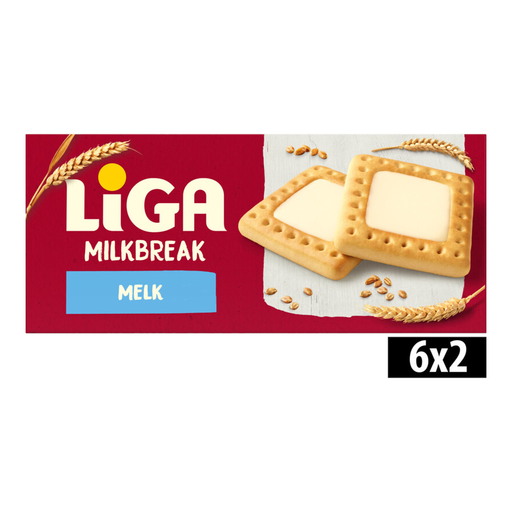
Why this fits the profile: The pack contains six portions of two biscuits each, making it straightforward for home, school or a snack on the go.
The number of portions and the filling are clearly stated in the product information, so you don’t have to rely solely on the packaging.
245g total weight, twin packs and, according to the product information, 27% milk filling.
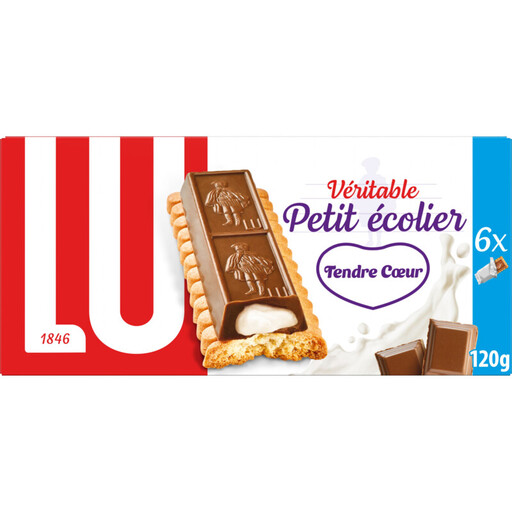
Why this fits the profile: The combination of a crunchy biscuit, milk chocolate and a soft milk filling suits a more indulgent moment with coffee or tea.
The product description separately mentions the biscuit, the milk chocolate tablet and the milk filling.
120g, individually wrapped and, according to the product information, 38% milk chocolate.
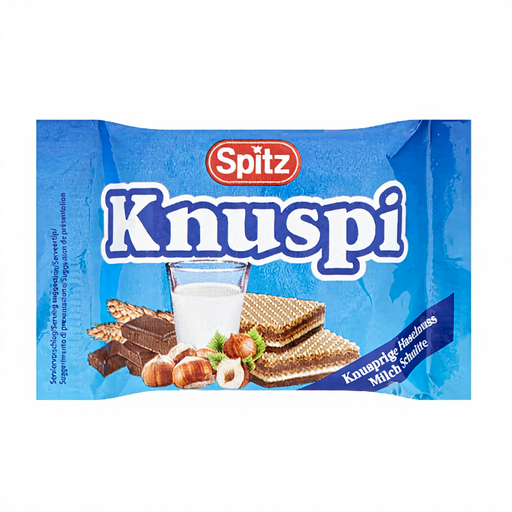
Why this fits the profile: Ten individual wafers are convenient for family use, treats or multiple snack occasions.
The number of pieces and the combination of milk, chocolate and hazelnut are stated in the product information.
10 individually served wafers; the description mentions 7% whole milk powder and 3% hazelnuts.
We’ve put together a full, up-to-date list of products that fully meet these strict selection criteria and comply with current European safety regulations.
Small packs and individually wrapped biscuits are practical. They take up little space and you don’t have to open the whole bag at once. For children, always check the allergens on the label, especially milk, wheat, soya, egg and nuts.
Store them in a cool, dry place away from direct sunlight. Seal the pack well to keep moisture out. Wafers and biscuits with chocolate can become soft or develop a white bloom in warm conditions. Always refer to the date and instructions on the packaging for exact shelf life.
That depends on the product and portion size. Milk biscuits are first and foremost a sweet snack. Compare the nutritional values per 100g and look at fibre, sugars, fats and salt. Claims such as “source of fibre” or “rich in calcium” should always be read in the context of the stated portion and the official product information.
