
Vandaag of morgen in huis

Kwaliteit gegarandeerd

Welkomstaanbiedingen ontgrendelen: GRATIS bezorging | Tot 80% korting | Gratis 30 dagen JoyPlus-proefperiode
Download de app
The aisle for milk and milk alternatives is constantly expanding. Whether you're lactose intolerant, follow a vegan lifestyle, or are simply looking for a new flavour for your coffee, the choices can be overwhelming. As a Joybuy Product Recommendation Officer, I'm here to help you navigate the options. In this article, we'll explore the different options so you can make an informed choice that suits your needs—without the marketing jargon.
Before making a choice, it's helpful to consider a few key points. This will help you find the option that's truly right for you.
These two terms are often used interchangeably, but they mean different things.
Not every milk alternative behaves the same way. Consider what you'll primarily be using it for.
More and more people are choosing to make their own plant-based drinks. Think of making your own oat milk or using a soy milk maker. The advantage is that you have complete control over the ingredients: no unnecessary sugars, oils, or preservatives. A nut milk maker can be a worthwhile investment if you want to make fresh, pure drinks regularly.
Based on product specifications and potential uses, we've highlighted some popular choices for you.
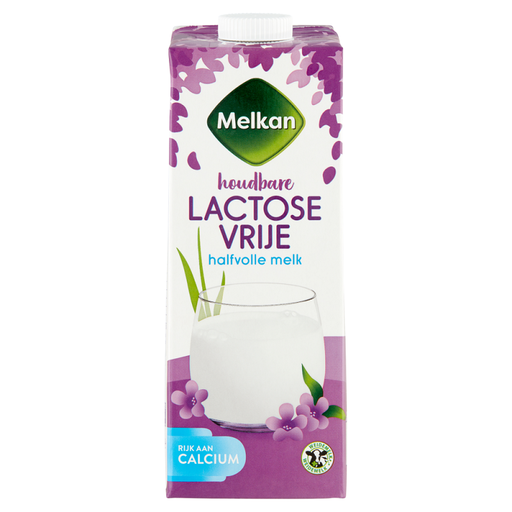
Why it stands out: This product offers the familiar taste and nutritional value of semi-skimmed milk, but without the lactose. It's a straightforward and simple solution for anyone who loves milk but wants to avoid digestive issues.
Pros:
Who is it for? For people with lactose intolerance who don't want to miss out on the taste and properties of real cow's milk.
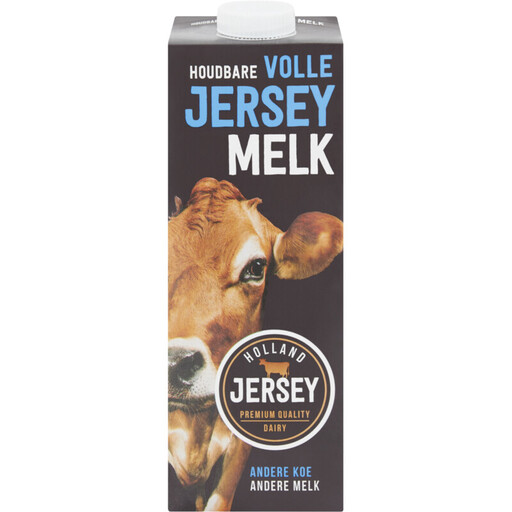
Why it stands out: While not a milk alternative in the traditional sense, this is an excellent substitute for standard milk. Jersey milk is known for its naturally higher fat (6%) and protein (4.2g) content. According to the manufacturer, Holland Jersey, this milk foams perfectly.
Pros:
Who is it for? For the coffee enthusiast who wants to make a barista-quality cappuccino or latte macchiato at home and appreciates a full, creamy milk flavour.
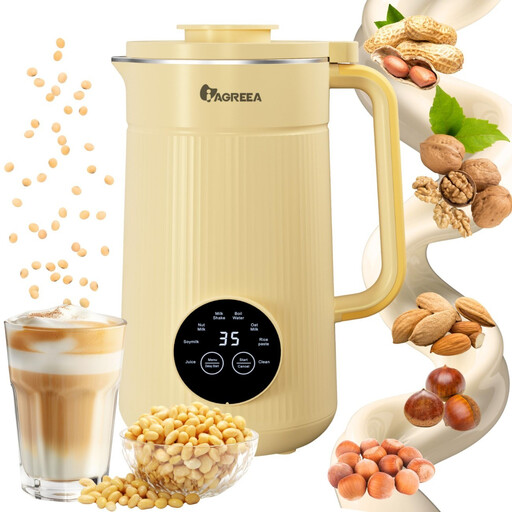
Why it stands out: This appliance is the solution for anyone wanting complete control over their plant-based milk. With 8 different programs, you can make fresh soy milk, oat milk, nut milk, or even smoothies at the touch of a button. The machine grinds and heats the ingredients for a smooth and flavourful result.
Pros:
Who is it for? For health-conscious consumers, families, and anyone who loves to experiment in the kitchen and wants to create the purest, freshest plant-based drinks.
Is your ideal choice not listed here? The selection is vast, and there are many more flavours and types to discover, from almond drink to rice milk.
Explore more options in our 1L milk and drinks category
Lactose-free milk is cow's milk where the milk sugar (lactose) has been broken down, making it digestible for people with lactose intolerance. Plant-based milk is a beverage made from plants (like oats, soy, almonds) and is naturally free of lactose and animal products.
For good milk foam, protein and fat are essential. Plant-based drinks specifically developed for coffee, often labelled as 'barista edition', are best suited for this. They often contain an adjusted fat and protein content to create a stable and creamy foam. Oat and soy drinks in barista versions are popular choices.
