
Host with a large pan of chilli
You want to know whether a suitable dish will fit in the microwave and how to serve a hot meal to several guests in turn. The Netherlands Nutrition Centre advises stirring thoroughly during reheating.


For vegetable chilli at a family gathering, a solo microwave may be enough if you reheat the chilli in portions. For one large dish, check the usable interior space and make sure the dish can rotate freely. The Netherlands Nutrition Centre advises using small, as shallow as possible portions, stirring halfway through and reheating leftovers until piping hot throughout. A combination microwave is worth considering mainly if you also want to bake or grill.
You want to know whether a suitable dish will fit in the microwave and how to serve a hot meal to several guests in turn. The Netherlands Nutrition Centre advises stirring thoroughly during reheating.
You mainly want to reheat food, but need to weigh up where the appliance will go against the space your dish needs. The Consumers’ Association notes that not all of the stated interior capacity is usable.
You’re considering a combination microwave if you want to use oven or grill functions as well as reheating chilli. Inventum also distinguishes between solo models for reheating and defrosting, and combination models.
Measure your dish and the space available first; then decide whether you only need to reheat food or also want oven and grill functions.
| What to consider | What should you look for? | Who is this important for? |
|---|---|---|
| Space for your dish | Measure your microwave-safe dish and compare it with the usable interior dimensions and turntable. Check that the dish can rotate freely. | If you want to serve guests from one larger dish, you’ll want to make sure it fits. Around 36% of consumers put the space available for their dish first when making this choice. |
| Even reheating | Use a suitable microwave-safe dish, stir the chilli halfway through and check that it is piping hot throughout. | If you want to avoid cold spots, you’ll need to be able to check and stir the chilli while it reheats. Around 29% of consumers place the greatest importance on even reheating. |
| Placement | Compare the external dimensions and installation requirements with the space available; also check the dish against the interior dimensions. | If you have limited worktop space, you’ll want to choose an appliance that fits the available area without overlooking the size of your dish. Around 21% of consumers make placement their main consideration. |
| Extra cooking functions | Think about whether you want to bake or grill as well as reheat food. With a combination model, the microwave function is the one you’ll use to reheat chilli. | If you also want to use the appliance for baking or grilling, these extra functions may influence your choice. Around 14% of consumers focus mainly on extra cooking functions. |
The stated capacity doesn’t tell you how much usable space there is for your dish; it may not fit or be able to rotate freely.
Measure your dish and compare its dimensions with the interior space and turntable before choosing.
Even with a turntable, you may need to stir the chilli partway through to check for cold spots.
Divide the chilli into manageable portions, stir halfway through and check that it is piping hot throughout.
You’ll use the microwave function for chilli; baking and grilling won’t, by themselves, solve the problem of reheating it.
Choose extra functions only if you’ll use them for other dishes too.
Inventum offers the freestanding MN257SB solo microwave, among other models. Inventum states that this model has a capacity of 25 litres and a microwave power output of 900 W.
Bosch describes the freestanding Bosch FFL023MS2 as a solo microwave with 20 litres of interior space, a maximum microwave power output of 800 W and five power levels.
Samsung’s Dutch product page describes the Samsung MS23K3513AK/EN as a 23-litre solo microwave with a defrost function.
According to the manufacturer, the Sharp YC-GC52BE-B combines microwave, grill and convection functions and has a stated capacity of 25 litres.
These freestanding solo microwaves are for anyone who mainly wants to reheat chilli in portions. Check that your dish fits and that the specific model complies with the applicable product rules. The Netherlands Food and Consumer Product Safety Authority states that CE marking is compulsory for mains-powered electrical products covered by those rules.
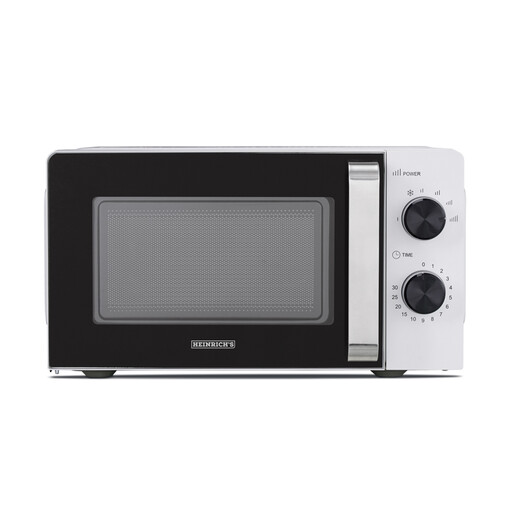 No image available
A solo model for reheating chilli in portions; compare your dish with the turntable before choosing this appliance.
20 litres; 700 W; six power levels; defrost function; turntable; 30-minute timer.
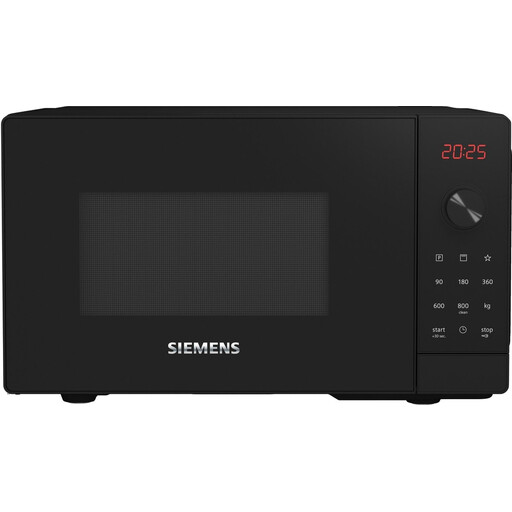 No image available
A solo microwave for portions; check that your dish fits in the usable space.
25 litres; 900 W; five power levels.
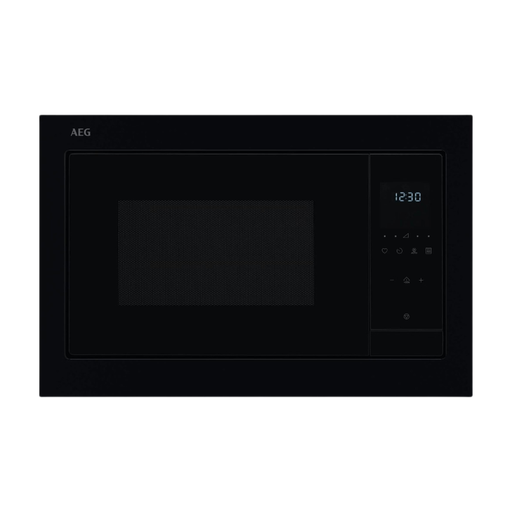 No image available
A solo model for reheating portions; check the size of your dish before choosing a model.
25 litres; 900 W; stainless steel finish; digital controls.
Only if the microwave-safe dish fits according to the interior dimensions and, if there’s a turntable, can rotate freely. The Netherlands Nutrition Centre advises using small, as shallow as possible portions and stirring halfway through.
The Netherlands Nutrition Centre advises cooling leftovers quickly, keeping them covered in the fridge and eating them within two days. Reheat the chilli until piping hot throughout, stir halfway through and don’t reheat leftovers a second time.
Use a dish that is confirmed as microwave-safe; the Netherlands Nutrition Centre lists glass, glazed earthenware and porcelain among the suitable materials. Cover the dish while reheating and follow the appliance manual when cleaning it.
It depends on what the additional terms and conditions offer. The Dutch government states that there is no fixed statutory guarantee period in the Netherlands; your statutory rights if a product is faulty are separate from any extra cover offered voluntarily.
The Netherlands Food and Consumer Product Safety Authority states that CE marking is compulsory for electrical products covered by the relevant product rules. Check the marking and whether those rules apply to the specific model; a model name alone doesn’t prove compliance.