
Evening baker with an oven
You want to soften butter after getting home without melting it, and you already have an oven for baking. The Netherlands Nutrition Centre offers guidance on softening butter in the microwave.


To soften butter, choose a microwave with a manually adjustable low setting and check the butter as you go. The Netherlands Nutrition Centre recommends around 100 W, while the Consumers’ Association gives 200 W as a usage guideline. A solo microwave cannot bake cakes, so you’ll need an oven function for that. Before buying, also check the settings and dimensions of the exact model and, for electrical appliances covered by the rules, the CE marking as required by the Netherlands Food and Consumer Product Safety Authority.
You want to soften butter after getting home without melting it, and you already have an oven for baking. The Netherlands Nutrition Centre offers guidance on softening butter in the microwave.
As well as a microwave setting, you’re looking for a proper oven function to bake your cakes. The Consumers’ Association distinguishes between the microwave function and the oven function for baking.
You’ll need to weigh up the space available for the appliance, the ventilation clearance it needs and the dish you want to use. Check the dimensions and turntable details for the exact model.
First decide whether you already have an oven. Then compare the lowest manual setting, the controls and the space needed for the appliance and your dish.
A good fit if: you already have an oven and mainly want to soften butter or reheat food.
Bear in mind: according to the Consumers’ Association, a solo microwave doesn’t have an oven function for baking cakes.
A good fit if: you want to bake cakes as well as soften butter, and don’t have a suitable separate oven.
Bear in mind: use the microwave setting for butter; the grill isn’t a substitute for the oven function when baking.
A good fit if: your current appliance already has a suitable low setting, or you can leave the butter to soften another way in good time.
Bear in mind: leaving butter to soften outside the microwave means planning ahead.
| What to consider | What should you check? | Who is this important for? |
|---|---|---|
| Softening butter without melting it | Compare the lowest manual microwave setting: the Netherlands Nutrition Centre recommends around 100 W for softening butter, while the Consumers’ Association gives 200 W as a usage guideline. Check the texture as you go. | If I want to soften butter for a recipe after my evening class, I want to be able to stop before it melts. Around 42% of consumers prioritise being able to soften it gradually and keep an eye on it. |
| Easy-to-use controls | Check whether you can set the power and time separately; don’t rely on automatic programmes alone. | After a late class, I want to set the power and time without any fuss. Around 25% of consumers prioritise ease of use. |
| Space for the appliance and dish | Measure the available space and the required ventilation clearance. Compare your dish with the turntable diameter. | With limited worktop space, I want to know in advance whether the appliance and my dish will fit. Around 17% of consumers prioritise space and fit. |
| Being able to bake cakes too | Check whether the appliance has a separate oven function; a microwave setting or grill is not the same thing. | If I don’t have an oven at home, I want to be able to bake cakes too. Around 16% of consumers prioritise an oven function. |
The recommended settings for softening butter are lower than the maximum power ratings listed for some models. If the butter gets too warm, it may melt rather than become soft and easy to press.
Compare the lowest setting you can actually select, and check the butter’s texture as you go.
A microwave setting is not an oven function. If your appliance doesn’t have an oven function, you’ll need a separate oven or another suitable appliance to bake cakes.
Before buying, decide whether you already have an oven. If you’re considering a combination model, check that it has a separate oven function.
According to the Dutch Government, an extended package only offers extra value if it gives you additional rights. If a product is faulty, you can hold the retailer responsible under the statutory guarantee.
Compare the extra terms and conditions, and contact the retailer if there’s a fault.
An extended warranty package can be an unnecessary expense if it doesn’t offer any additional rights.
Bosch Netherlands describes the freestanding FFL023MS2 as a 20 l solo microwave.
ETNA describes the freestanding SMV720 as a 20 l solo microwave with rotary controls and a 24.5 cm turntable.
Whirlpool Netherlands describes the MWP 201 SB as a freestanding 20 l solo microwave with electronic controls and a maximum microwave power of 700 W.
Samsung Netherlands describes the MS23K3513AK/EN as a 23 l solo microwave with a defrost function and ceramic interior.
The Panasonic NN-DF37PWEPG combines a microwave with oven and grill functions. Panasonic Netherlands lists an oven temperature range of 30–200 °C.
This selection features microwaves to compare for softening butter. For the specific appliance, check the lowest selectable setting, whether your dish will fit and the CE marking where the applicable rules require it.
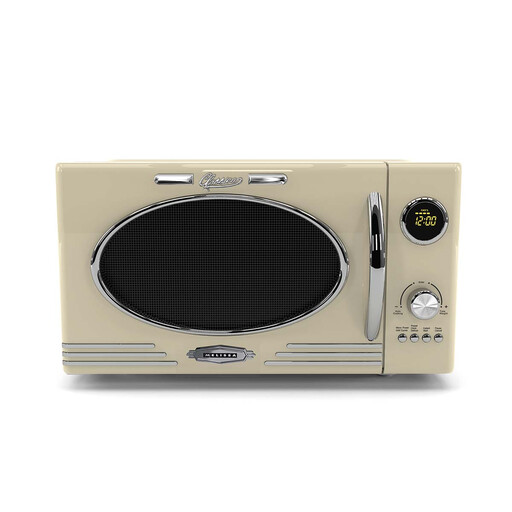 Image unavailable
Compare this model if you’re looking for a microwave with adjustable settings; check whether its lowest setting is suitable for softening butter.
23 L capacity; 800 W; five power settings.
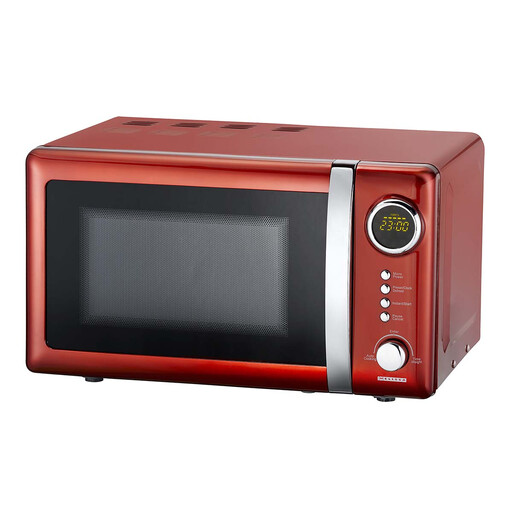 Image unavailable
With five power levels, this model is worth comparing if you want to choose a setting yourself; check which low setting is available.
20 L capacity; 700 W; five power levels.
A solo microwave doesn’t have an oven function for baking cakes.
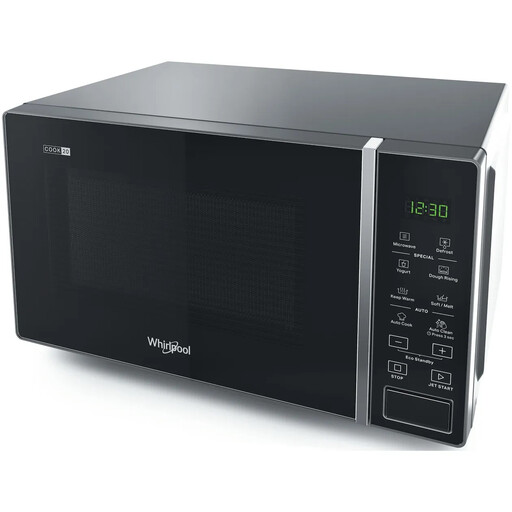 Image unavailable
With five adjustable settings, this model is worth comparing if you want to choose a microwave setting yourself; check the lowest setting for butter.
20 L capacity; 700 W; five settings.
This model has a microwave function only and no oven function for baking cakes.
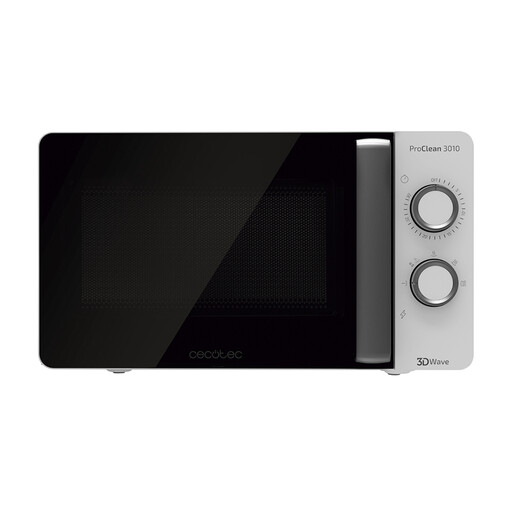 Image unavailable
With six power levels, this model is worth comparing if you want to choose a microwave setting yourself; check whether the lowest setting is suitable for softening butter.
20 L capacity; 700 W; six power levels.
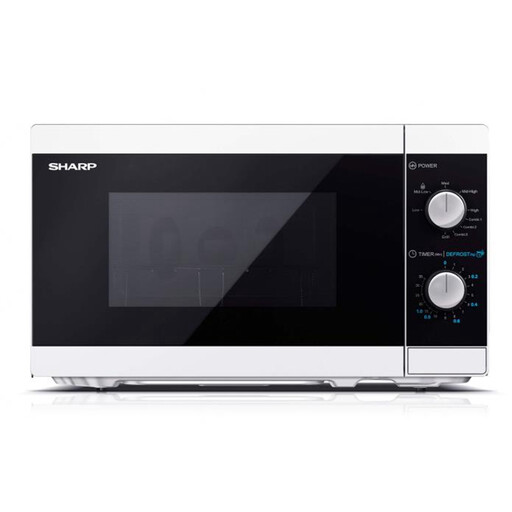 Image unavailable
With five microwave settings, this model is worth comparing if you want to choose a setting yourself; check the lowest setting for softening butter.
20 L capacity; 800 W; five microwave settings.
The listed grill function is not a substitute for an oven function when baking cakes.
Choose a low microwave setting and check as you go that the butter is soft but not greasy. The Netherlands Nutrition Centre recommends around 100 W; the Consumers’ Association gives 200 W as a usage guideline. The time needed depends on factors including the amount of butter and the appliance.
Use a microwave-safe dish, such as suitable glass or porcelain, as recommended by the Netherlands Nutrition Centre. Bosch advises against using metal dishes in the microwave function. Remove the packaging unless it’s clearly suitable for this use.
No, a solo microwave can’t replace an oven function for baking a cake. The Consumers’ Association distinguishes between the microwave function for heating and defrosting and the oven function for baking. If you’re considering a combination microwave, check which oven function it has.
Clean the appliance according to the instructions for the exact model, and keep the ventilation openings clear. If an appliance doesn’t work properly under normal use, contact the retailer about your statutory guarantee. According to the Dutch Government, there’s no single fixed statutory time limit for this in the Netherlands.
CE marking is mandatory for electrical products covered by the rules, according to the Netherlands Food and Consumer Product Safety Authority. Check the marking on the specific appliance; a brand name or shop listing alone doesn’t prove that it has one.