
Careful chocolate melter
Wants to be able to pause heating briefly to stir, for example when preparing chocolate to use as a coating that needs to set. Melting and tempering are different processes. Callebaut Chocolate Academy explains both methods.


For small amounts of cooking chocolate, a solo microwave that lets you set the time and power yourself is usually all you need; an oven or grill function isn’t necessary. Choose a combination microwave if you also want to bake, and check that your bowl will fit and that you can easily pause cooking to stir. An inverter is an extra power-control feature, not a proven guarantee of better-melted chocolate.
Wants to be able to pause heating briefly to stir, for example when preparing chocolate to use as a coating that needs to set. Melting and tempering are different processes. Callebaut Chocolate Academy explains both methods.
Looking for a simple appliance for small amounts of chocolate and other reheating tasks, without unnecessary features or an appliance that won’t fit on the worktop.
Wants to melt chocolate and cook dishes in the oven using the same appliance, so needs to be able to use the microwave and oven functions separately.
Start by deciding whether you mainly need control when melting, or whether you also want oven functions. Then compare the controls and the space available for your bowl.
| What to consider | What to look for | Who it matters most to |
|---|---|---|
| Controlled melting | Check that you can set the time and microwave power yourself, and easily pause cooking. | I want to heat the chocolate in short bursts and stir between each one, so I can adjust the heating as I go. Around 36% of consumers say controlled melting is their main consideration. |
| Simple controls | Compare how easy it is to start, stop and reset a short cooking cycle. | If I mainly use the microwave occasionally for small amounts, I want to get started without navigating complicated menus. Simple controls are a priority for around 28% of consumers. |
| Space for the appliance and bowl | Measure the space on your worktop and check that your bowl can rotate freely on the turntable. | With limited worktop space, I want to know in advance whether the appliance will fit and whether my bowl will fit inside it. Available space is the first concern for around 22% of consumers. |
| Cooking other dishes too | Check whether a combination model lets you use the microwave and oven functions separately, and whether you need the extra function. | I want to cook lunch dishes as well as melt chocolate, so I’m looking for one appliance that can do both. Multifunctional cooking is the main priority for around 14% of consumers. |
Even at high power, chocolate needs to be heated in short bursts and stirred; heat can build up in certain areas.
Compare the adjustable time and power settings, not just the maximum wattage. Adjust the heating intervals and method to suit the chocolate and amount.
The capacity in litres doesn’t tell you whether your bowl will fit on the turntable or rotate freely.
Compare your bowl’s dimensions with the turntable and measure the space for the appliance. Also allow for the ventilation clearance specified in the manual.
Chocolate is melted using the microwave function; baking and grilling are different cooking methods.
Choose a combination microwave if you also want to use the oven or grill function for other dishes. Otherwise, compare solo microwaves first.
Tomado offers freestanding solo microwaves and a combination model with convection cooking; your choice will partly depend on whether you also want to bake.
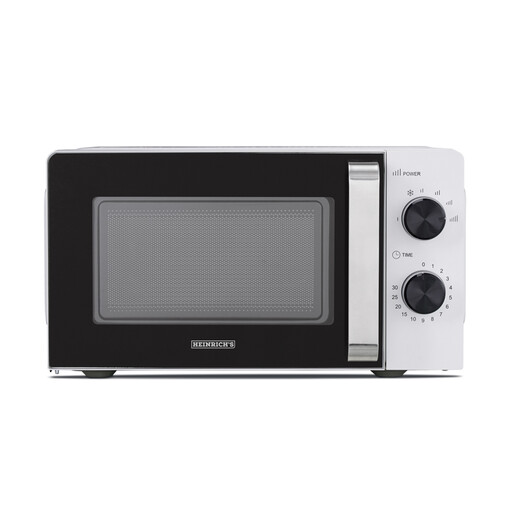
The freestanding MN205S is a solo microwave. You can compare its stated external dimensions and turntable diameter with your kitchen space and bowl.
The freestanding FFL023MS2 is a solo microwave with clearly stated power levels, making it easier to compare settings.
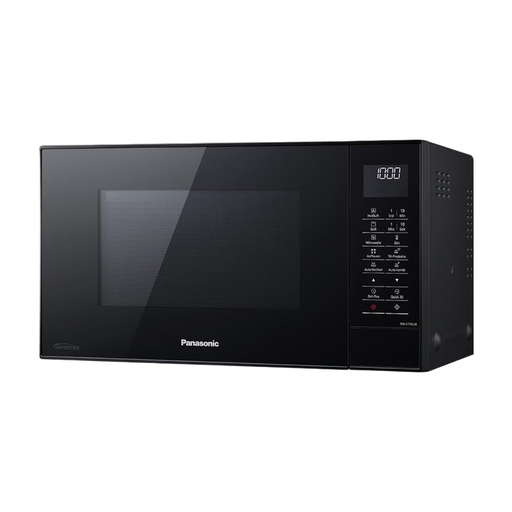
The NN-SD28HS is an example of a solo microwave with inverter control.
This selection includes solo microwaves for adjustable microwave cooking, and combination microwaves for anyone who also wants oven, grill or convection functions.
 No image available
The solo function and adjustable power levels suit anyone who wants to melt chocolate in the microwave and pause the heating themselves.
20-litre capacity; 700 W microwave power; six power levels; timer up to 30 minutes; defrost function.
 No image available
A combination model for melting chocolate using the microwave function, as well as cooking with the grill and convection functions.
25-litre capacity; grill and convection functions.
 No image available
This model combines microwave cooking with grill and convection functions, for anyone who wants to prepare other dishes as well as chocolate.
20-litre capacity; grill and convection functions.
 No image available
The adjustable microwave function is useful if you want to control the heating yourself; the grill and convection functions offer additional ways to cook.
27-litre capacity; 1000 W microwave power; inverter technology; grill and convection functions.
 No image available
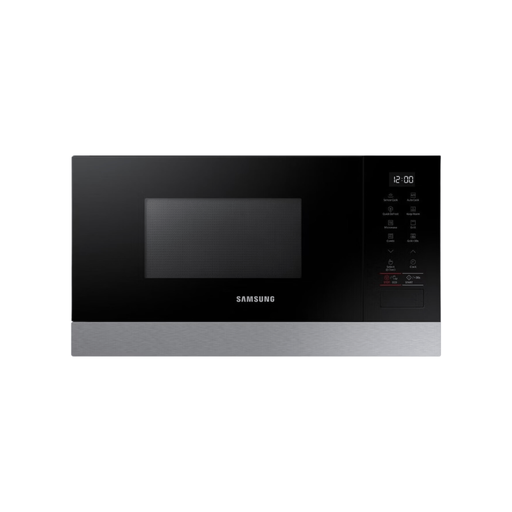
A built-in model to consider if you want to melt chocolate and make use of additional cooking functions too.
22-litre capacity; 900 W power. Allow for the required installation space.
For chocolate used as a flavouring ingredient, simply melting it is enough, according to Callebaut Chocolate Academy. If you want a coating that looks glossy and snaps firmly once cooled, tempering is a separate step; using a microwave alone won’t determine the result.
Heat it in short bursts and stir between each one. For tempering Callets, Callebaut recommends intervals of 15–20 seconds at 800–1000 W. This guidance applies to that chocolate and method, and may not be suitable for every type or amount of chocolate, or every microwave.
Use a bowl that its manufacturer and your microwave’s instructions say is suitable for microwave use. Bosch lists heat-resistant glass, glass-ceramic, porcelain, ceramic and heat-resistant plastic as suitable materials, among others; always follow the instructions for your chosen appliance.
No. ACM ConsuWijzer explains that statutory warranty rights apply alongside a manufacturer’s or seller’s warranty. If a product breaks sooner than you could reasonably expect under normal use, the seller is responsible for providing an appropriate solution at no cost; there is no single fixed statutory warranty period for every microwave.
CE marking is mandatory for electrical products covered by the applicable rules, according to the Netherlands Food and Consumer Product Safety Authority. Check the marking and usage information for the appliance being sold; CE marking does not assess how well it melts chocolate.