
Cooking for a crowd with a large serving dish
Wants to reheat beef stew for several guests, so checks whether their dish fits and, if there’s a turntable, can rotate freely.


Choose a microwave that fits your microwave-safe dish. If it has a turntable, the dish must be able to rotate freely too. A solo microwave is enough for reheating, while a combination model is only worth considering if you also want to bake or grill. Reheat the beef stew in manageable portions, stir part-way through and heat it all the way through until steaming hot.
Wants to reheat beef stew for several guests, so checks whether their dish fits and, if there’s a turntable, can rotate freely.
May reheat portions one after another, and compares the appliance’s external dimensions with its usable interior space and the shape of the dish.
Wants an oven or grill function for other dishes as well as reheating, and weighs up whether those features are worth the space they take up.
Measure your dish first, then check the interior space and where you plan to put the appliance. Choose a combination microwave only if you’ll also use its oven or grill function for other dishes.
| What to consider | What to look for when buying | Who is this important for? |
|---|---|---|
| Space for your dish | Measure the dish, handles and lid; check the interior space and, if there’s a turntable, its diameter and whether the dish can rotate freely. | If I want to use one large dish for several guests, I want to know in advance whether it will fit and rotate. Around 36% of consumers prioritise space for their dish. |
| Reheating and checking | Choose controls that let you set the time and power, and pause heating so you can stir the food. | If you want to check for cold spots, it helps to reheat manageable portions and stir part-way through. This is the main priority for consumers who want control over reheating, making up around 29%. |
| Space for the appliance | Compare the external dimensions and the space needed for the door and ventilation with the interior dimensions and your dish. | If worktop space is limited, I can reheat smaller portions one after another if that means the microwave will fit better. Around 21% of consumers prioritise space for the appliance. |
| Extra cooking functions | Check that the model has a microwave function, and consider which oven or grill functions you’ll actually use. | If you want to bake or grill other dishes as well as make beef stew, these functions may be worth considering; they aren’t needed for reheating alone. Around 14% of consumers prioritise extra cooking functions. |
Whether your microwave has a turntable or a flatbed, stirring part-way through is still important. The Netherlands Nutrition Centre recommends heating leftovers all the way through until steaming hot.
The capacity in litres doesn’t tell you whether your dish will fit through the opening or rotate freely on the turntable. If it doesn’t fit, you may have to reheat portions one after another.
Measure the dish, including its handles and lid, then compare the dimensions with the interior space, door opening and turntable diameter, if applicable.
The Netherlands Nutrition Centre recommends stirring or turning the food part-way through even when using a turntable; parts of microwave-heated food can still remain cold.
Reheat manageable portions, stir part-way through and check that the whole dish is steaming hot before serving.
Use the microwave function to reheat beef stew; the grill and fan oven functions are designed for other types of cooking. Unused functions may mean the appliance takes up more space.
Choose a combination model only if you have specific dishes you want to bake or grill and need the extra functions for them.
ETNA offers, among other models, the freestanding solo SMV825 and the CMV825 combination microwave.
The freestanding solo MN257SB is a 25-litre model without a grill.
The QS204AEB is a 20-litre solo microwave with a flatbed.
The freestanding FFL023MS2 is a compact 20-litre model to compare.
This selection includes solo and combination microwaves to compare for reheating beef stew and, where applicable, cooking other dishes.
 No image available
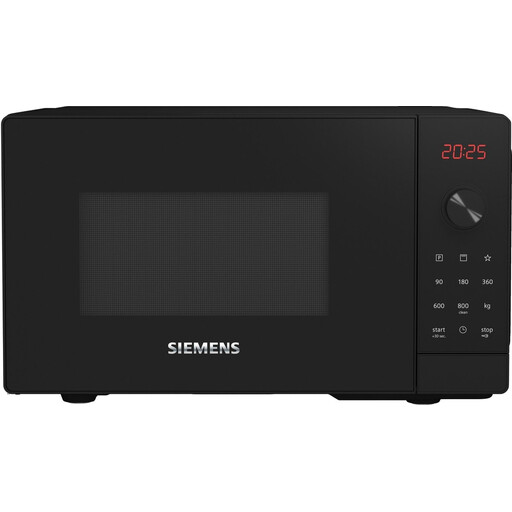
A freestanding solo option to compare if you mainly want to reheat food and use a turntable.
25 litres; 900 W; five power levels; 27 cm turntable. Check that your dish fits and can rotate freely, and stir part-way through.
 No image available
A combination model to compare if you want to use its extra functions as well as reheat food.
25 litres; 900 W microwave power; ten power levels; 270 mm turntable. Check that your dish fits and can rotate freely, and stir part-way through.
 No image available
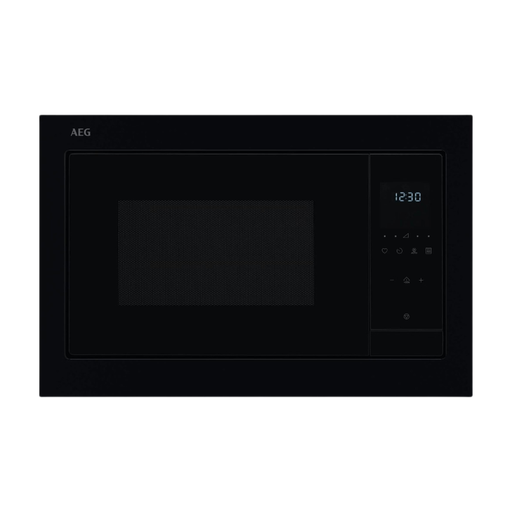
A solo option to compare if you want a turntable for reheating.
25 litres; 900 W; 31,5 cm turntable. Check that your dish fits and can rotate freely, and stir part-way through.
 No image available
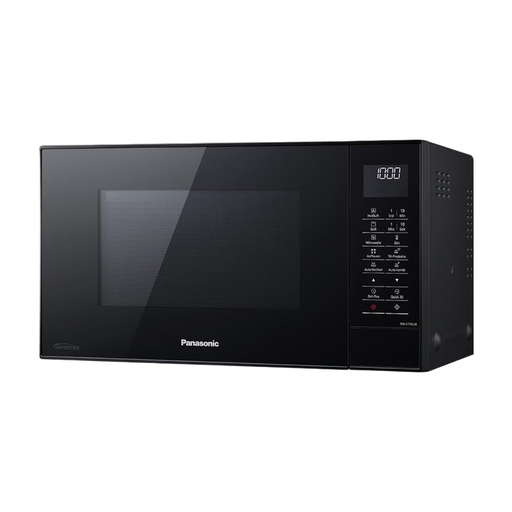
A combination model to compare if you want to use the grill or fan oven function as well as reheat beef stew.
27 litres; 1000 W microwave power; 34 cm turntable. Check that your dish fits and can rotate freely, and stir part-way through.
 No image available
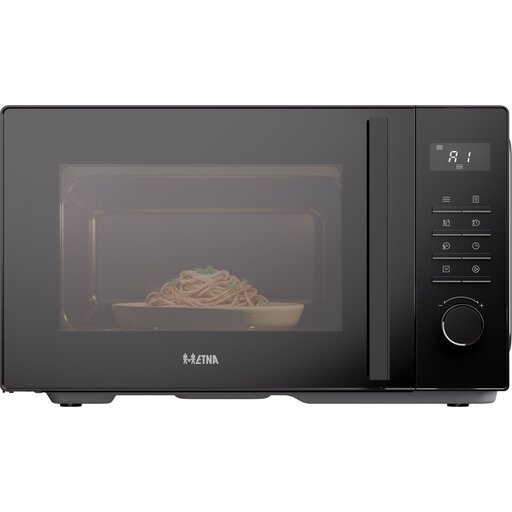
A freestanding solo option to compare if you mainly want to reheat beef stew.
25 litres; 900 W; five power levels; 28,8 cm turntable. Check that your dish fits and can rotate freely, and stir part-way through.
If needed, divide it into small, as flat as possible portions in a microwave-safe dish, cover and stir while heating. Heat each portion all the way through until steaming hot; a turntable doesn’t remove the need to stir. This is food safety advice from the Netherlands Nutrition Centre, not a set reheating time for every dish.
The Netherlands Nutrition Centre recommends cooling leftovers within two hours, storing them covered at 4 °C and eating them within two days, or freezing them. Don’t reheat leftovers that have already been reheated; instead, take only the portion you need from the fridge.
Check the microwave-safe symbol or the dish’s instructions, and measure it to make sure it fits in the actual interior space. Follow the chosen model’s manual for positioning and ventilation; don’t assume there is one standard clearance that applies to every appliance.
Electrical equipment covered by the applicable European product safety rules must have a CE marking. The manufacturer applies the marking; check the details for the specific appliance and don’t treat a retailer’s product description as an independent safety assessment.
With normal use, Dutch statutory warranty law may entitle you to a free remedy from the seller if the product doesn’t meet what you could reasonably expect. A manufacturer’s warranty is a separate promise and doesn’t automatically set the end date of your statutory rights.