
Cooking for a large dish
You want to know whether a covered, microwave-safe dish will fit and whether you can reheat the food in practical portions. A larger capacity in litres is only a starting point.


First, choose a microwave that fits the dish you want to use and, if it has a turntable, allows it to rotate freely. For reheating alone, a solo microwave is enough; a larger combination microwave makes sense mainly if you’ll also use the extra space or oven functions. If necessary, divide the beans into smaller portions and stir them partway through, as neither a turntable nor a high stated power output guarantees even heating.
You want to know whether a covered, microwave-safe dish will fit and whether you can reheat the food in practical portions. A larger capacity in litres is only a starting point.
You want to heat successive portions thoroughly and work out a practical serving plan. If you’re selling food, specific food safety rules may also apply.
You want a microwave that will still suit your worktop space and everyday cooking needs after the community meal. So decide whether you only want to reheat food or also bake and grill.
Choose this if: you mainly want to reheat food and your dish fits inside the cavity and on the turntable. ETNA and Inventum list a 25-litre capacity and a maximum microwave output of 900 watts for their models.
Bear in mind: these solo models don’t have oven or grill functions; even with a turntable, you’ll need to stir the beans partway through.
Choose this if: you also want to use oven and grill functions, as well as reheat food. Whirlpool lists a 33-litre capacity and microwave, grill and oven functions for the MWSC 833 SB.
Bear in mind: this model measures 49,0 × 54,0 × 37,3 cm externally (width × depth × height); its capacity doesn’t prove that your dish will fit or heat evenly.
Choose this if: saving worktop space matters more than fitting one large dish, and you can reheat smaller portions. Bosch lists a 20-litre capacity and a maximum microwave output of 800 watts for the FFL023MS2.
Bear in mind: you may need more reheating rounds; check the internal dimensions and dish size beforehand.
For this community meal, the size of the dish, stirring and the number of portions are important factors to consider when choosing.
| Consideration | What to look for when buying | Who should pay particular attention? |
|---|---|---|
| Even heating | Use a suitable dish and a setting you can check while the food is heating; stir partway through. | When I’m heating beans for several people, I want to be able to stir them and check that everything is piping hot. Around 29% of consumers prioritise even heating when making this choice. |
| Dish and portions | Measure the dish, including handles and lid; compare it with the cavity, door opening and turntable. | I want to be able to put my chosen dish in and take it out without the handles or lid getting in the way. Around 29% of consumers make fitting their dish their top priority. |
| Serving speed | Work out how many beans will fit in a manageable dish and try heating a portion in your own dish before the meal. | When I’m serving several portions in a row, I want to know in advance how to divide them up practically and stir them as they heat. Around 24% of consumers prioritise serving speed. |
| Space and everyday use | Compare the external dimensions with the space available and consider whether you’ll also use oven or grill functions. | After the community meal, I want to keep an appliance that fits on my worktop and suits my everyday cooking needs. Around 18% of consumers prioritise everyday use and space. |
The external dimensions, cavity, door opening and clear turntable diameter are all different measurements. So a higher capacity in litres doesn’t, by itself, tell you whether your dish will fit.
Measure the dish, including handles and lid, and compare its dimensions with those of the specific model.
According to the Voedingscentrum, parts of microwave meals can remain cold even when the appliance has a turntable.
Heat manageable portions, stir partway through and check that the beans are piping hot throughout.
A solo microwave can reheat food; a combination model adds oven or grill functions that you don’t need for beans alone.
Choose those extra functions only if you’ll also use them for other dishes, and check the external dimensions beforehand.
The SMV825 is a freestanding solo microwave for those who mainly want to reheat food.
The MN257SB is a freestanding solo microwave for reheating and defrosting.
The MWSC 833 SB is a larger freestanding combination microwave for those who want oven and grill functions as well as reheating.
The MS23K3513AS/EN is a solo microwave for those using a smaller dish.
The FFL023MS2 is a compact freestanding solo microwave for those who value worktop space.
This selection includes compact microwaves, solo microwaves and a combination microwave for reheating beans while balancing dish size with worktop space.
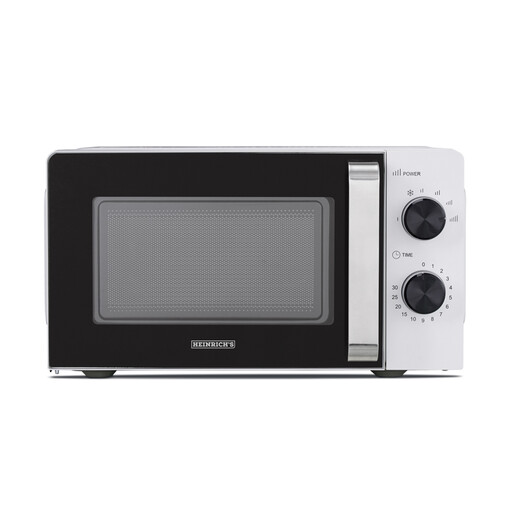 No image available
This compact model could suit smaller portions if you want to save worktop space.
20 litres; 700 W; six power settings; 9,6-inch turntable; defrost function.
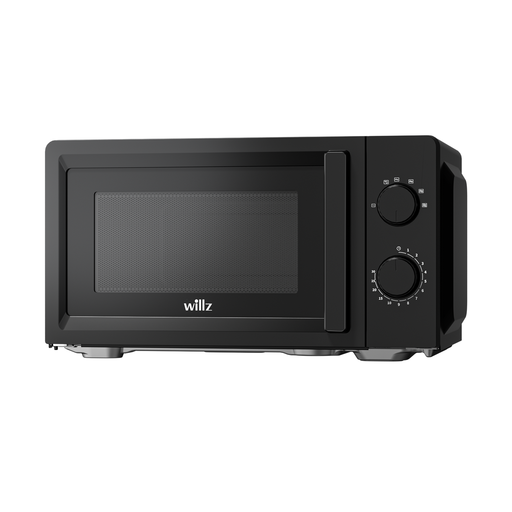 No image available
This compact model is worth comparing if you want to reheat smaller portions.
20 litres; described as suitable for smaller spaces.
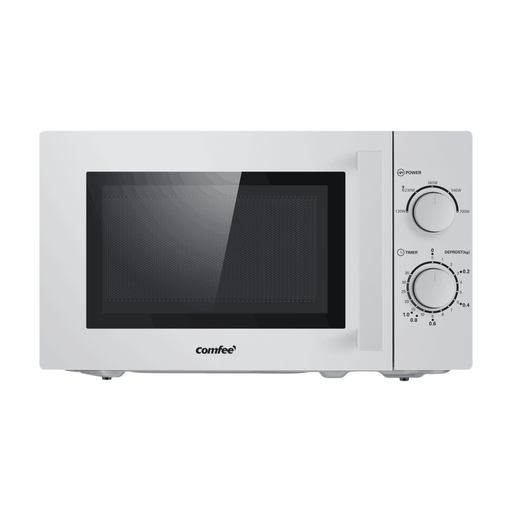 No image available
The stated turntable diameter gives you a specific measurement to compare with the base of your dish.
700 W; five power settings; 255 mm turntable; defrost function.
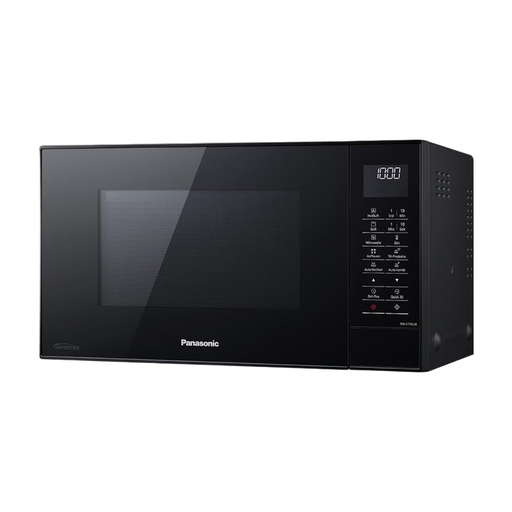 No image available
This combination microwave could suit you if you also want to use the grill and convection functions as well as reheating.
27 litres; 1000 W microwave output; 34 cm turntable; grill and convection functions; inverter technology.
 No image available
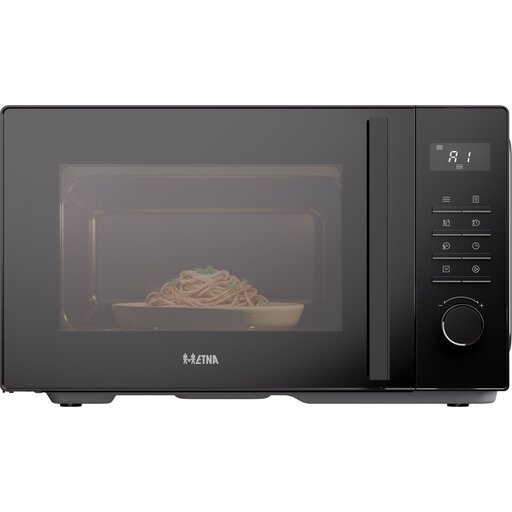
A freestanding solo microwave to consider if you mainly want to reheat food and your dish fits on the turntable.
900 W; five power settings; 28,8 cm turntable; eight automatic programmes.
No, if necessary, you can divide them into smaller portions in microwave-safe dishes, keeping them as shallow as possible. Cover the dish, stir the beans while heating and heat them thoroughly until piping hot. The Voedingscentrum also advises stirring partway through, even when using a turntable.
According to the Voedingscentrum, cool cooked leftovers within two hours, store them covered at 4 °C and eat them within two days. Any leftovers that have already been reheated once and are left over again should be thrown away, according to this advice. This consumer guidance is not a statement about the hygiene code for food sellers.
Use a dish marked as microwave-safe or described as such in its instructions. The Voedingscentrum lists glass, glazed earthenware and porcelain as suitable options, and warns that unsuitable materials can melt or cause a fire.
Yes. The Netherlands Food and Consumer Product Safety Authority (NVWA) says that even private individuals selling food at a market or event must prepare, store and sell it safely and hygienically. According to the NVWA, anyone who prepares and sells food several times a year must have an HACCP food safety plan. Whether these requirements apply to your event depends on what you do.
For the catering, craft and retail situations described, the NVWA specifies a minimum reheating temperature of 60 °C. The NVWA also specifies a minimum of 60 °C for unpackaged perishable food in a hot cupboard or bain-marie, and advises checking the temperature with a digital probe thermometer. Don’t automatically apply these professional rules as the standard for every private community meal; for reheating at home, the Voedingscentrum advises heating food until it is piping hot throughout.