
Voice-over creator recording in one place
You record recipes separately from the cooking and want your voice to remain clear above the room noise. Audio-Technica and Shure highlight close-miking and careful placement as important considerations.


If you record voice-overs from a fixed position, choose a directional microphone that can sit close to your mouth. This can help your voice stand out over room reflections, but it won’t eliminate echo. Audio-Technica describes dynamic microphones as suitable for close-miked speech, while Shure emphasises that microphone placement doesn’t change a room’s acoustics. USB is convenient for a simple connection; XLR requires a suitable interface. If you move around while cooking, you’ll need a portable microphone and should pay extra attention to background noise.
You record recipes separately from the cooking and want your voice to remain clear above the room noise. Audio-Technica and Shure highlight close-miking and careful placement as important considerations.
You move around while recording and need a microphone that moves with you. DJI describes the Mic Mini as an omnidirectional system; check how your chosen receiver connects to your recording device.
You want to use or expand a fixed XLR setup. Audio-Technica Europe and Elgato list an audio interface and XLR cable as essential connection equipment for XLR setups.
First decide whether you’ll record from a fixed position or move around while cooking. Then choose between a direct USB connection, an XLR setup with an interface, or a wireless clip-on microphone that works with your recording device.
| What to consider | What should you check? | Who should pay extra attention? |
|---|---|---|
| Clear speech despite echo | Pickup pattern, stable close placement and a test recording in the intended location. | If you record recipes from a fixed position, you’ll want your voice to come through clearly. Around 36% of consumers put speech clarity despite room echo first. |
| Connecting and monitoring | Check whether the model uses USB or XLR, which connection your device has and whether direct headphone monitoring is available. | If you want to get started without extra connection equipment, focus on a simple connection and the ability to check your recording. Around 29% of consumers prioritise ease of connection. |
| Moving around while cooking | Check the number of transmitters and receivers, whether a phone adapter is needed, and compatibility with your recording device. | If you talk while moving between the worktop and the hob, you won’t want to be tied to a fixed microphone. Around 21% of consumers put freedom of movement first. |
| Complete setup | Check which cables, stand and other accessories are included, and whether an XLR model needs an interface. | If you need a complete setup, you’ll want to know which parts you still need before buying. Around 14% of consumers prioritise the overall equipment they’ll need to buy. |
A microphone picks up direct speech and reflections together; processing can’t undo the room’s acoustics.
First choose where you’ll speak and how far away the microphone will be, then make a test recording there. Assess any processing in the conditions you’ll actually be recording in.
The Audio-Technica AT2040 uses XLR, while the AT2040USB connects via USB. The XLR version may require a suitable interface and cable.
Check the full model number and work out which connection equipment you already have before choosing a version.
An XLR setup may require extra components, such as an interface and cable.
DJI offers versions with different numbers of transmitters and receivers; a separate adapter may be needed for some phone connections.
Check the exact bundle and the connection on your phone or camera before ordering.
If the adapter you need isn’t included in the bundle, you may need to buy it separately.
The Q2U is a dynamic USB/XLR microphone for a fixed position with the mic close to you.
The AT2040USB is a USB model, while the separate AT2040 is designed for an XLR setup with an interface.
The PodMic USB offers USB-C and XLR for a fixed setup.
The MV7+ combines USB-C and XLR for close-miked speech.
The Mic Mini range is worth considering for narrating recipes while on the move.
These products are suited to wireless recording with a clip-on microphone while you move around cooking, as well as a compact USB setup for recording from a fixed position.
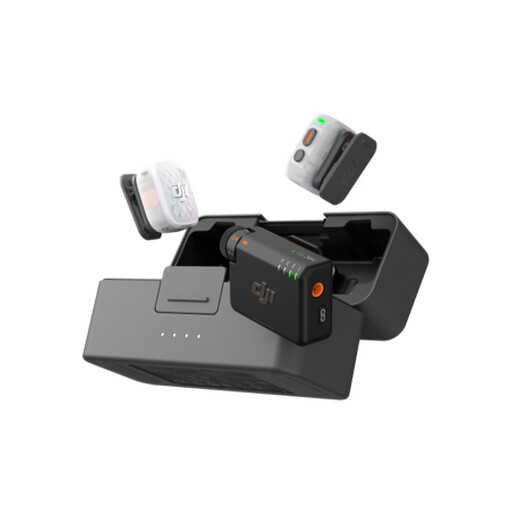 No image available
The clip-on transmitters are suited to recording while you move between the worktop and the hob.
The product title lists 2 TX, 1 RX and a charging case; the product description mentions 32-bit float internal recording and clip or magnetic attachment.
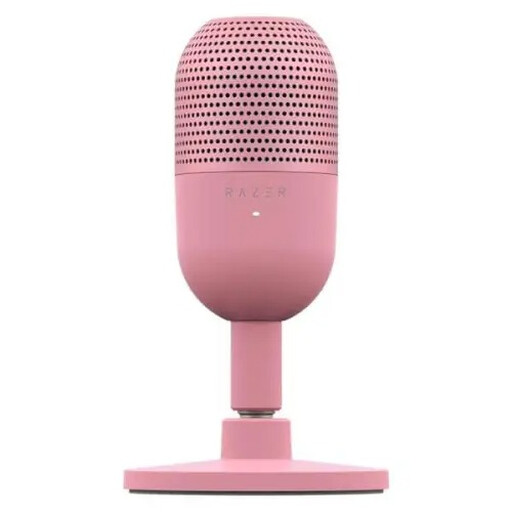 No image available
This compact USB microphone is suited to a fixed speaking position if you’re looking for a direct USB connection.
The product title lists USB and tap-to-mute; the product description mentions a supercardioid pickup pattern.
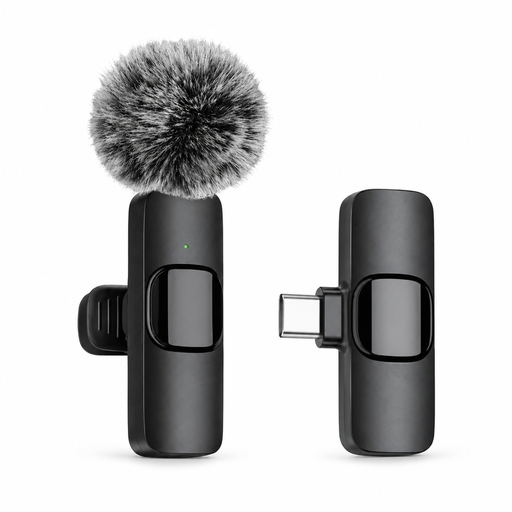 No image available
The wireless clip-on design is intended for recording while you move; check that the Type-C connection is compatible with your recording device.
The product description states a claimed battery life of 3–6 hours.
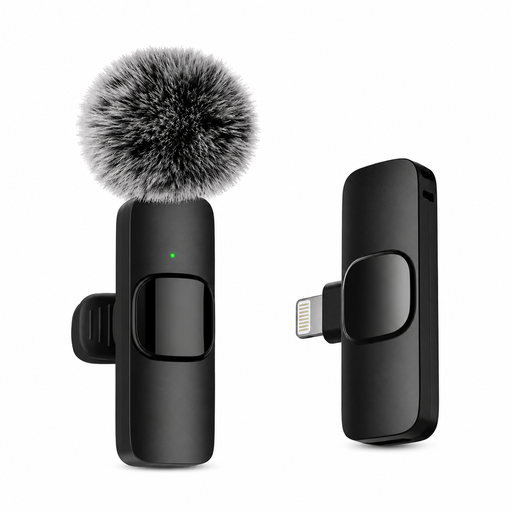 No image available
This wireless clip-on microphone is an option for recording on the move, provided the listed iOS interface is compatible with your recording device.
The product title lists a single microphone and an iOS interface; the product description states a claimed battery life of 3–6 hours.
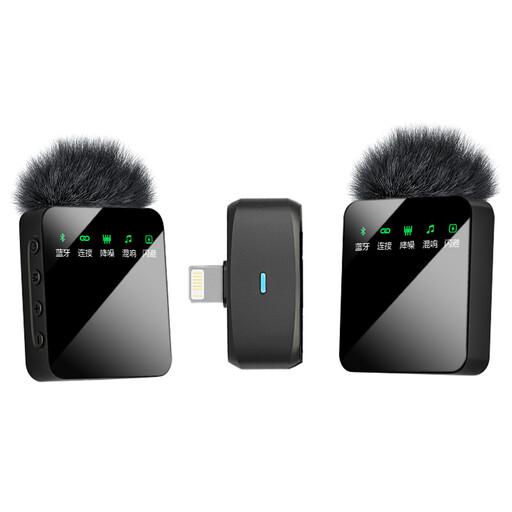 No image available
This wireless lavalier setup is suited to recording on the move; check the listed iOS interface and the connection on your recording device.
The product title lists a dual microphone and an iOS interface.
No. Speaking close to the microphone and positioning it carefully can improve the balance between direct speech and reflections, but a microphone doesn’t change the room’s acoustics.
Not like a standard USB microphone: an XLR setup requires a suitable audio interface and XLR cable. Check which components you already have and which connections your laptop supports.
Make a short test recording where you plan to speak, then listen for extractor fan noise, plosives and noise from the stand. Keep equipment away from splashes and cooking vapours; this is general advice, not a claim about any model’s water resistance.
According to ACM ConsuWijzer, online purchases generally come with a statutory 14-day cooling-off period from the day after delivery; check which exceptions and return conditions apply to your purchase. If a product doesn’t perform as you could reasonably expect under normal use, the seller is responsible for the statutory guarantee. A manufacturer’s guarantee does not replace these statutory rights.
Yes. The Dutch government states that electronic products placed on the market in the EU must carry a CE mark. Check the product information and marking on the specific version; a mention on a retailer’s page alone doesn’t confirm that the requirements have been met.