
Performer who stays in one place
If you record your monologue mainly from one position, the distance to the microphone and the direction you speak in are important for keeping your voice clear.


If you stay mostly in one place during your monologue, start with a directional microphone that you can position close to your mouth. Shure says that keeping the microphone closer can help your voice stand out against background noise. If you move around a lot, a lavalier microphone can keep the distance more consistent, but watch out for clothing rustle and check the connection. A studio condenser microphone is best suited to situations where you can control the recording space and microphone placement. None of these microphone types will make a noisy flat quiet on its own.
If you record your monologue mainly from one position, the distance to the microphone and the direction you speak in are important for keeping your voice clear.
If you walk or turn while performing, look for a microphone that moves with you. Also check whether your clothing or cables could brush against it.
If you can choose when and where to record, you’ll have more control over microphone placement and acoustics. Even so, a test recording is important.
Best for: staying mostly in one place and using a microphone stand close to your mouth.
Bear in mind: if you turn away or move further from the microphone, your voice may sound quieter. This type won’t make the room quiet.
Best for: walking, turning or gesturing during your monologue.
Bear in mind: contact with clothing or cables may be audible, and the connection must be compatible with your recording device.
Best for: choosing a quieter time and having control over the acoustics and microphone placement.
Bear in mind: a low self-noise rating doesn’t tell you how quiet the flat is. Also check which recording features work with the connection you choose.
Choosing a microphone for a monologue in a noisy flat largely depends on how much you move, your recording device and how much control you have over the room.
| What to consider | What to look for when buying | Who is this important for? |
|---|---|---|
| Clarity | Check whether you can position the microphone close to your mouth and speak directly into it. | If I’m recording in a noisy flat, I want to keep my words clear by placing the microphone close to me. Around 31% of consumers put clarity above flat noise. |
| Freedom of movement | Consider how the microphone is attached, whether cables might brush against it and how it responds to your movements. | If I’m walking, turning and gesturing, I don’t want to have to stay in the same spot in front of a fixed microphone. Around 25% of consumers prioritise freedom of movement while performing. |
| Connection | Check that USB-C, XLR or 3.5 mm TRS is compatible with the microphone input and recording equipment you use. | If I want to record without a complicated setup, I’m looking for a connection that works with my computer or recorder. Around 19% of consumers put ease of use and connection first. |
| Vocal detail and room noise | Make a test recording and listen for echo, peaks and audible sources of interference. | If I want to capture the nuances in my voice, I also want to be able to control the recording space. Around 25% of consumers prioritise vocal detail in a controlled recording environment. |
A dynamic microphone can still pick up unwanted noise if your voice is far away or the source of interference is loud.
First, consider the distance and direction. If possible, record at a quieter time too.
The RØDE NT1 5th Generation’s self-noise rating describes the microphone, not the noise or echo in your flat.
Make a test recording in the place where you actually plan to record your monologue.
Clothing or a cable can brush against the microphone. A 3.5 mm TRS plug may also not fit the microphone input on every device.
Test the attachment with the clothes you’ll wear when performing, and check the input or transmitter in advance.
According to RØDE, 32-bit float recording on the RØDE NT1 5th Generation is only available via USB-C.
Check which features and equipment you need for your recording setup with each connection.
The SM58 is a dynamic cardioid vocal and speech microphone for performers who can stay close to a fixed microphone.
The ATR2100x-USB is a dynamic cardioid handheld microphone with USB-C and analogue XLR connections.
The range includes a dynamic USB/XLR microphone for speech, a cardioid studio condenser microphone and a wearable lavalier microphone.
The e 835 is a dynamic cardioid handheld microphone, while the XS Lav USB-C is a clothing microphone for performers who want more freedom of movement.
This Joybuy selection includes wireless microphone systems for recording while moving around, as well as USB microphones for a fixed desk setup.
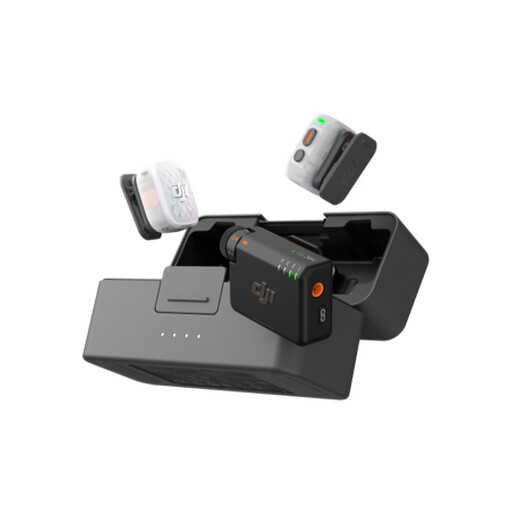 Image unavailable
A wireless system with wearable transmitters for a monologue where you move around.
The description mentions clip or magnetic attachment, USB compatibility and internal recording on the transmitter.
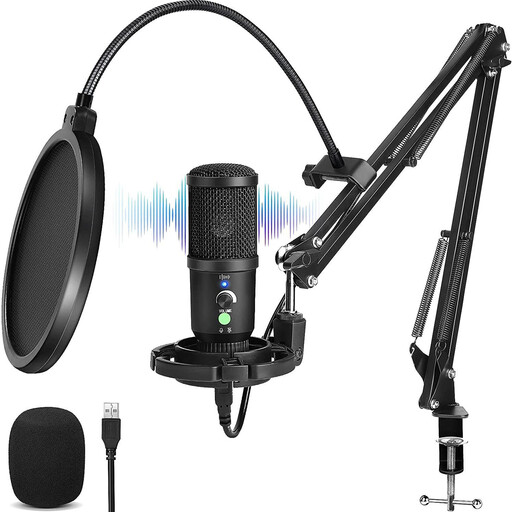 Image unavailable
A USB condenser microphone for a fixed desk setup when recording a monologue.
The title lists a cardioid polar pattern; the description mentions a boom arm and headphone monitoring.
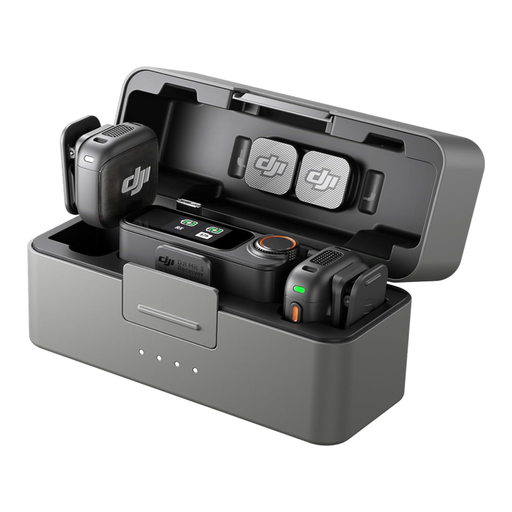 Image unavailable
A wireless microphone system for spoken recordings where the microphone moves with the performer.
The title lists two transmitters and one receiver; the description mentions microphones in the transmitters and computer compatibility.
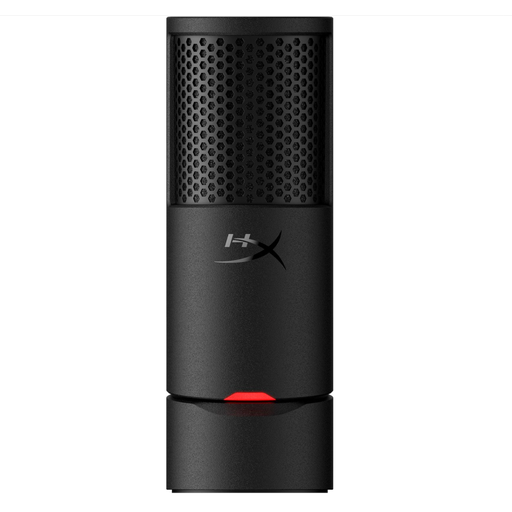 Image unavailable
A cardioid USB microphone for spoken recordings from a fixed desk setup.
The description mentions a USB-C to USB-A cable, a built-in shock mount and pop filter.
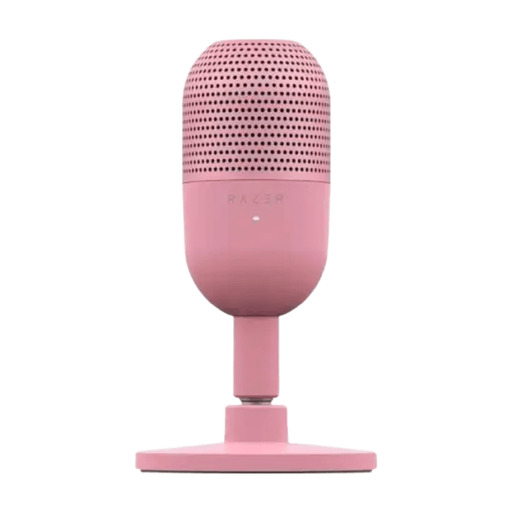 Image unavailable
A compact USB microphone for recording your voice from a fixed desk setup.
The description lists a supercardioid polar pattern; the title mentions tap-to-mute.
Record a quiet passage and a loud one while making the biggest movements you expect to make. Listen through headphones for clarity, changes in volume, echo and clothing noise. Adjust the placement or reduce the source of interference if needed.
No. Check that the device has a compatible microphone input. The RØDE Lavalier GO uses 3.5 mm TRS; the Sennheiser XS Lav USB-C uses USB-C.
You don’t need extra cover to have your statutory rights when buying as a consumer. ACM ConsuWijzer explains that if a product breaks too soon under normal use, the seller must offer an appropriate solution. Check separately whether any extra cover on offer actually adds anything.
Not always. According to the Dutch government, the cooling-off period for distance purchases is usually 14 days. Check the applicable terms and exceptions before you buy.
Don’t assume you can publish recognisable voices online without permission. The Dutch Data Protection Authority says that, in principle, information about other people may only be published online with their consent. How this applies to a particular recording depends on factors including whether people are recognisable and how the recording is used. This is not a general ban on recording a monologue for private use.