
Recording a reading from a fixed position
You want to capture words and quieter passages clearly, and can place the microphone close to the speaker. Shure and Sennheiser describe wired cardioid stage microphones for speech and singing.


Start by choosing a spot close to the person reading: a microphone at the back of a reverberant hall won’t separate the echo from their voice. For a fixed speaking position, a wired microphone with a suitable recording input is a sensible choice. If the poet moves around, a wearable microphone may be more practical, provided you test the connection and setup beforehand.
You want to capture words and quieter passages clearly, and can place the microphone close to the speaker. Shure and Sennheiser describe wired cardioid stage microphones for speech and singing.
You’re looking for a setup that moves with the reader. RØDE describes the Wireless ME as a wireless system with a microphone built into the transmitter.
You want to make a recording on your own with minimal equipment, and check beforehand that the recorder is set up and working properly. Zoom describes the H1essential as a handheld recorder with built-in X/Y microphones and a headphone output.
Your choice mainly depends on where the reader will be, how much they’ll move around and what recording equipment is already available.
Choose this if: the poet will stay at a lectern or stand and a suitable XLR input is available.
Bear in mind: the cable limits where you can position the microphone, and you’ll need recording equipment with a suitable input.
Choose this if: the reader will move away from the lectern and you can connect the receiver to the recording device.
Bear in mind: you’ll need to test the attachment, clothing noise, power supply and connection at the venue.
Choose this if: you want to start recording without a computer or a separate microphone input.
Bear in mind: a recorder placed away from the stage will also pick up the hall’s reverberation, so positioning still matters.
| What to consider | What should you check? | Who is this most important for? |
|---|---|---|
| Clarity | Make a test recording from the intended speaking position and listen back to the quieter lines as well. | I want quieter words to remain clear, so I’ll place the microphone close to the reader; around 50% of consumers with this recording need say clarity is their top priority. |
| Freedom of movement | Test the movements, clothing, receiver and intended recording device together in the hall. | If the poet walks across the stage, I want the microphone to move with them; around 30% of consumers with this recording need put freedom of movement first. |
| Recording independently | Check the recording, storage, power supply, positioning and a test clip played back to you. | I want to record without existing equipment and check the recording on the spot; around 20% of consumers with this recording need give independent recording top priority. |
The balance between the direct voice and reflections also depends on the distance and the room. A microphone can’t fix the acoustics, so a directional pickup pattern won’t automatically make a long distance suitable.
First, test a setup close to the reader and listen back to the recording.
A standalone stage microphone won’t save a recording file by itself. Depending on the equipment at the venue, you may also need a suitable input, recorder, cable or stand.
Make a note of the available connections and recording equipment beforehand, then check that they meet the microphone’s requirements.
The recording format and the balance between the voice and the sound of the room are two different things. The format won’t change the acoustics.
Assess the positioning and clarity with a test recording, then listen back to it.
The SM58 is a wired cardioid dynamic microphone for speech and singing, suited to a fixed reading position.
The e 835 is a wired cardioid dynamic stage microphone with a 3-pin XLR connection for speech and singing.
The Wireless ME is a wireless option for a reader on the move; the PodMic USB is a microphone for a fixed recording position.
The H1essential is a handheld recorder with built-in microphones for anyone who wants to record independently.
These product picks focus on wireless microphones for a reader on the move and portable recorders for independent recording.
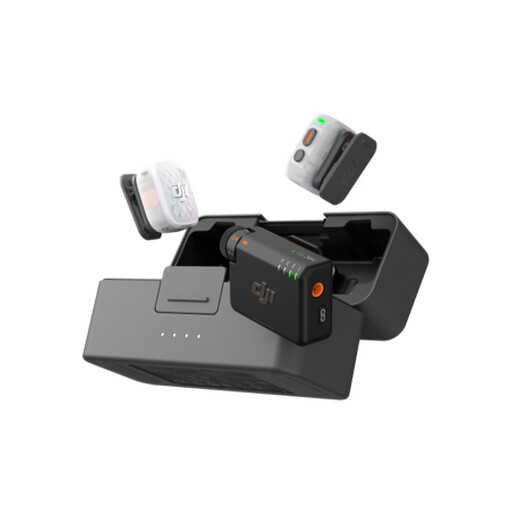 No image available
Could suit a reader who moves around; test the connection and setup with the recording device at the venue.
Set with 2 TX, 1 RX and a charging case.
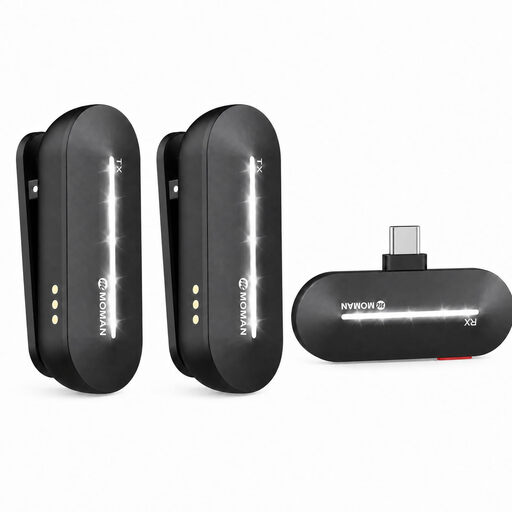 No image available
A wireless lavalier setup can move with a reader on the go. Check that the USB-C connection is compatible with your intended recording device.
Set with 2TX+1RX; USB-C connection.
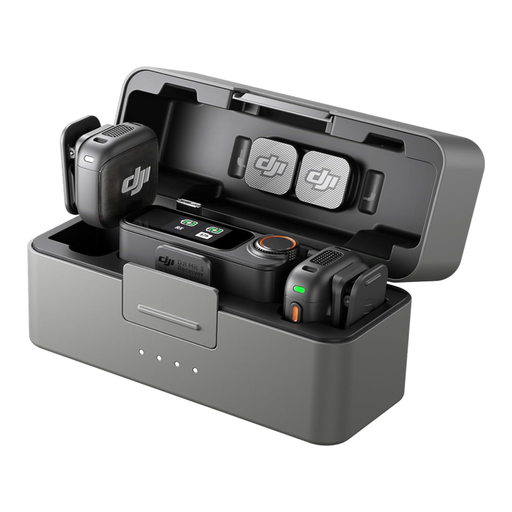 No image available
The transmitters can be worn by a reader on the move; test the complete set with your chosen recording equipment.
Set with 2 TX, 1 RX and a charging case.
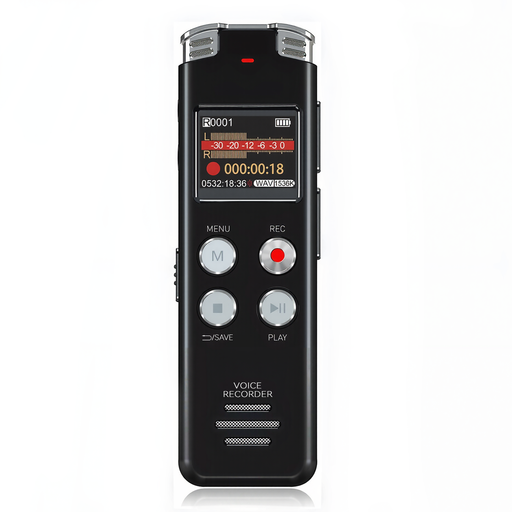 No image available
A portable voice recorder could suit independent recording without a separate microphone setup. Check the recording and positioning with a test clip.
128GB; model L357.
 No image available
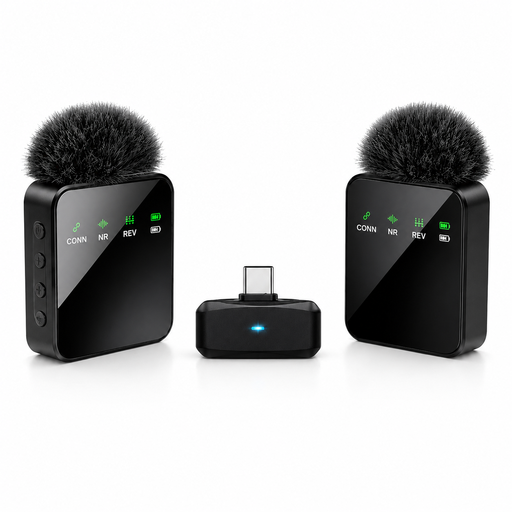
A wireless lavalier microphone could suit a speaker on the move; check that the Type-C connection works with the device you’ll be recording on.
Dual microphone; Type-C interface.
Start close to the usual speaking position and listen back to a test recording. Shure explains that a microphone can’t effectively separate direct speech from existing reverberation, so a spot at the back of the hall won’t necessarily capture the words clearly.
No, an XLR stage microphone doesn’t save a recording file by itself. Check that a suitable input and a recorder, interface or mixing desk are available. If you don’t have this equipment, you could compare recorders with built-in microphones.
Test the complete recording chain and listen back to a clip. Before the reading, check the positioning, recording settings, storage and power supply on the equipment you’ll actually be using.
Check whether you’ll need any additional cables, recording equipment or power supplies. ACM ConsuWijzer explains that statutory guarantees don’t have a fixed term of exactly two years; statutory rights apply alongside any commercial guarantee.
Making a recording and publishing it are separate questions. According to the Dutch Data Protection Authority, a recording in which someone is identifiable may contain personal data; an organisation needs a lawful basis under the GDPR to process it. The Dutch government also distinguishes between a copy for personal use and distributing or making copyright-protected texts publicly available. Whether a particular recording can be published depends on how it will be used, who is involved and the rights to the text and performance.