What should you consider when choosing?
Handheld recorder with stereo microphones
Choose this if: you want to record the ensemble with a compact setup and don’t want to position separate microphones. Zoom describes the H1essential as a recorder with built-in X/Y microphones.
Bear in mind: the microphones are fixed to the same recorder and can’t be positioned separately. A test recording is still important if the hall is reverberant.
Two microphones as a stereo pair
Choose this if: you want to record the ensemble in stereo and can set up the two microphones yourself. LEWITT, sE Electronics and RØDE describe specific models or versions as stereo pairs.
Bear in mind: you’ll need suitable microphone inputs, cables and a stable setup. Check the power requirements for each model, too. A wider recording of the hall may pick up more of its acoustics.
Microphone close to a voice or instrument
Choose this if: you need to make one important source clearer or bring it to the fore, for example if a recording made from further away sounds too reverberant.
Bear in mind: one close-up microphone won’t automatically represent the whole ensemble or create a stereo image. Shure describes the SM58 as a vocal microphone and the SM81 as a microphone for acoustic instruments, among other uses.
The percentages below relate to consumers choosing a microphone setup for an acoustic demo in a community hall. Where possible, make a short test recording from the intended position and listen back before choosing a setup.
| What to consider |
What should you look for? |
Who is this important for? |
| Clarity despite room reverberation |
Make a test recording from the intended position and compare a closer spot with one further away. |
If I’m recording in a reverberant hall, I want to hear first whether my voice or instrument stays clear. Around 40% of consumers prioritise clarity despite room reverberation. |
| Stereo image of the ensemble |
Decide whether built-in X/Y microphones will do, or whether you want to position two microphones separately. If you choose the latter, check the number of inputs. |
I want the demo to capture how the vocals and instruments sound together, not just one source. Around 30% of consumers prioritise the ensemble’s overall stereo image. |
| Ease of recording |
Check storage, power, playback and whether the recorder can stand securely in the desired position. |
If I want to record quickly without setting up separate equipment, I focus on keeping the recording chain simple. Around 20% of consumers prioritise simplicity. |
| Bringing one source to the fore |
Decide whether vocals or an instrument are the priority, and check which input and power the chosen model needs. |
When one voice or instrument needs to stand out clearly, I want to be able to point the microphone at that source. Around 10% of consumers make this targeted recording their top priority. |
Joybuy products
The products below are wireless microphone systems and digital voice recorders. Check each model’s recording features and connections to make sure they suit music, your recorder and the position you want to use in the hall.
 No image available
DJI Mic Mini 2S (2 TX + 1 RX + Charging Case)
Could work if you want to record a voice up close; check that the connections are suitable for your recording equipment.
Configuration according to the product name: 2 TX + 1 RX and a Charging Case.
View at Joybuy
 No image available
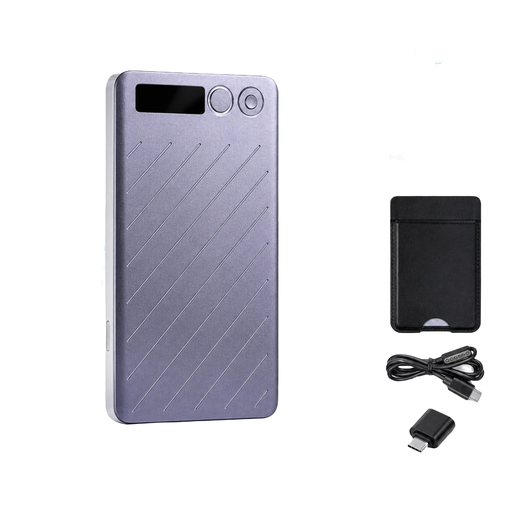
Digital voice recorder, 64 GB, with transcription function
Could suit a simple recording setup; check that your chosen microphone and connections work with this model.
According to the product name: 64 GB storage and a transcription function.
View at Joybuy
 No image available
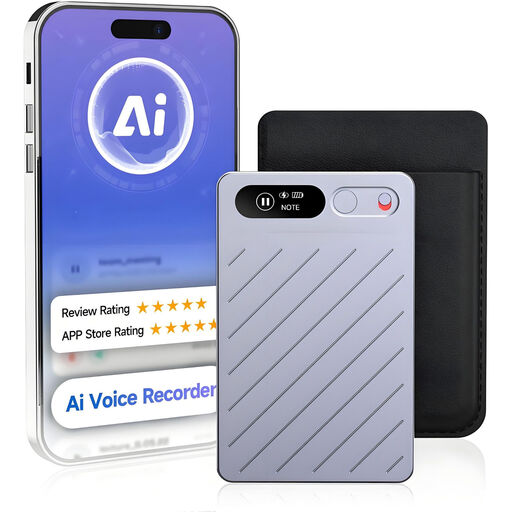
AI Dictation Device 64 GB
According to the product name, it’s designed for voice recordings and dictation. Check that its recording features suit your plans for a music demo.
The product name lists 64 GB, transcription and summaries in 118 languages.
View at Joybuy
 No image available
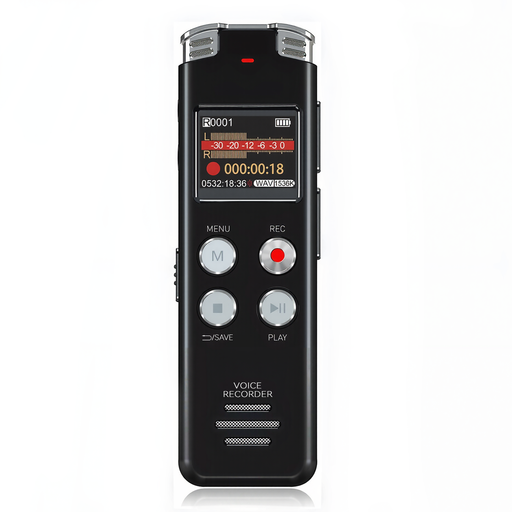
Rexsun L357 portable digital voice recorder, 128 GB
Could suit a portable recording setup; check that its connections and recording features are suitable for the music you want to record.
According to the product name: 128 GB, LCD screen and model L357.
View at Joybuy
 No image available
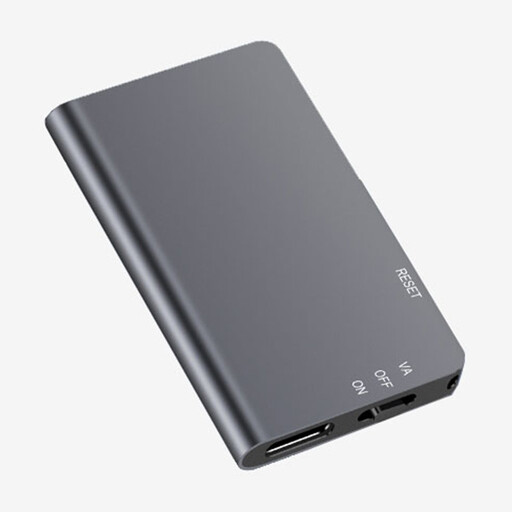
Rexsun L810 digital voice recorder, 64 GB
Could suit a simple recording setup; check that its features and connections are suitable for an acoustic music demo.
According to the product name: 64 GB and one-button recording.
View at Joybuy
Frequently asked questions
Do I need to buy two separate microphones straight away for an acoustic demo?
No, not if a compact recording of the ensemble is enough. A handheld recorder with built-in X/Y microphones is one option; two separate microphones are useful if you want to position them independently. With either setup, listen to how the hall sounds first.
What do I need to connect a RØDE NT5 stereo pair?
RØDE specifies an XLR output and P48 phantom power for the NT5. Check that your recorder or interface has two suitable microphone inputs with the required power, and find out which cables and mounting accessories are included with the version you’ve chosen.
How do I prepare a handheld recorder for the session?
Before you leave, check the storage and power, set the recorder down securely and make a test recording to listen back to. Zoom’s guide covers microSD cards, batteries and playback, among other things.
Can I record identifiable people in the Netherlands and share the demo?
It depends on who is recording, who can be identified and what happens to the recording. The Dutch Data Protection Authority considers identifiable audio recordings to be personal data. Organisations processing personal data need a lawful basis under the GDPR. Before recording and sharing, discuss the arrangements with performers, attendees and the venue.
Can I publish a recorded cover without further ado?
Check the rights first. BumaStemra lists a licensing route for recording or performing a cover when the original creators are affiliated with BumaStemra or an affiliated organisation; different rules may apply to other rights holders and arrangements. This is relevant when you use someone else’s music.


