What should you consider when choosing?
First, decide whether the microphone can stay close to a storyteller in one place or needs to move with someone who is walking around. Then choose a recording device and connection to suit that setup.
| What to consider |
What to look for when buying |
Who is this important for? |
| Speech clarity in a reverberant hall |
Test at the actual speaking position using headphones; check whether the storyteller can stay close to the microphone. |
If I want the words to come through clearly above the sound of the room, I focus on placing the microphone close to the speaker. Around 39% of consumers say speech clarity is their top priority. |
| Freedom of movement |
Check how the microphone is worn and whether the receiver connects to the recording device. |
Anyone who walks around the room while telling a story won’t want to rely on a microphone on a fixed stand. Around 23% of consumers put freedom of movement first. |
| Recording independently and capturing the atmosphere |
Check where the recorder can be placed and listen back to a test recording; decide whether you need inputs for external microphones. |
If I also want to capture something of the room, I weigh that atmosphere against reverberation and background noise. Around 23% of consumers prioritise recording the event independently. |
| Compatibility with your equipment |
Check the input on your computer, recorder or other recording equipment; see whether you can monitor the audio through headphones. |
If I want to keep using the equipment I already own, the microphone connection needs to be compatible. This is the top priority for around 15% of consumers. |
Joybuy products for recording speech
This selection includes wireless microphones for storytellers who move around, and recorders for capturing speech independently. Before buying, check that the connection and the rest of the recording setup are right for your session.
 No image available
DJI Mic Mini 2S (2 TX + 1 RX + Charging Case)
A wireless system for a storyteller who moves around; the product name lists two transmitters, one receiver and a charging case.
View at Joybuy
 No image available
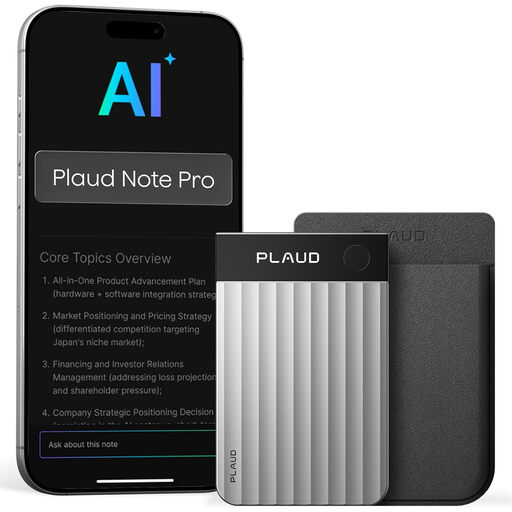
Plaud Note Pro AI Notes & Summary Voice Recorder (Silver)
A voice recorder for anyone who wants to make a recording independently. Check in advance what else you’ll need to do to listen back to and save the recording.
View at Joybuy
 No image available
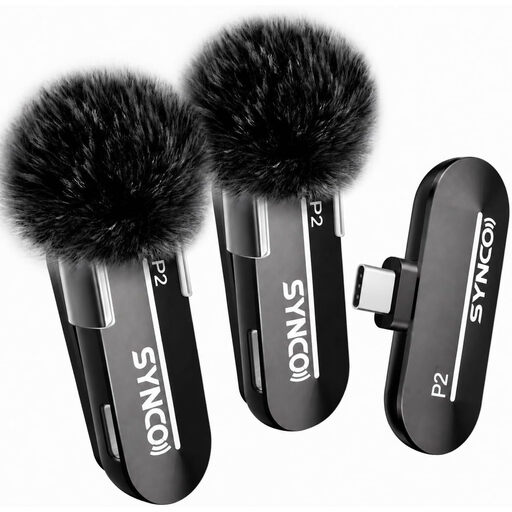
SYNCO P2XT USB-C Wireless Microphone
For a storyteller on the move who wants a wireless clip-on microphone with a USB-C receiver. Check that the receiver works with the recording device you plan to use.
View at Joybuy
 No image available
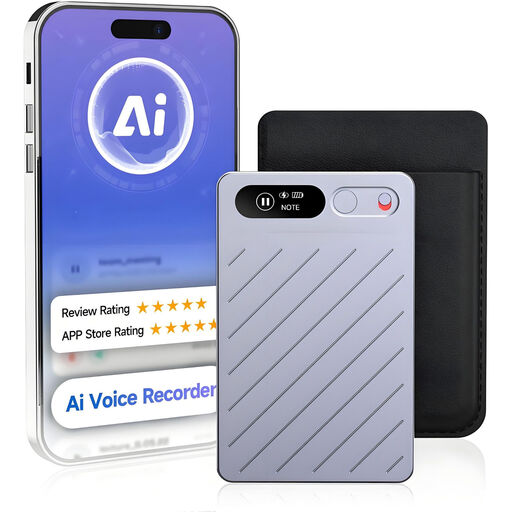
AI Dictation Device, 64 GB
A voice recorder for capturing speech independently. The product name lists transcription and summaries in 118 languages; check that these features suit how you want to use the recording.
View at Joybuy
 No image available
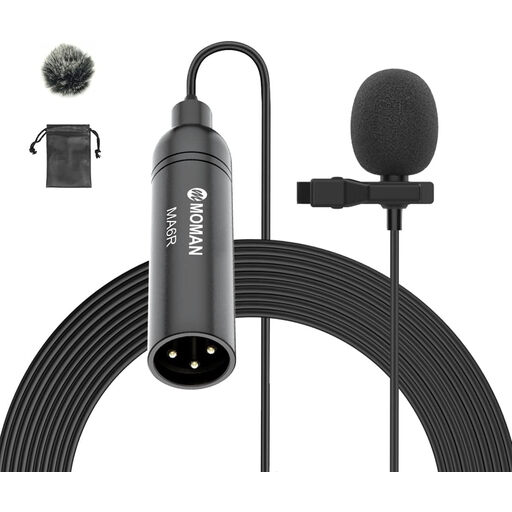
Moman MA6 Lavalier Microphone, 6 m
A clip-on microphone for use with a smartphone. The product name lists a 6 m cable, a 3.5 mm connection and an omnidirectional pickup pattern.
View at Joybuy
Frequently asked questions
Can I place the microphone at the back of the hall to record the storyteller and the audience at the same time?
That may capture the atmosphere of the room, but the greater distance can mean reflected speech makes the words harder to understand. Make a test recording from the intended position. If the speaker’s voice is your priority, place the microphone closer to them.
Can I record straight away with an ordinary wired microphone?
No, you’ll also need equipment that can record the audio. Check that you have a suitable recorder, audio interface or mixing desk with recording capability. The Zoom H4essential can record independently and has inputs for external microphones.
What should I test just before the storytelling session?
Record a short clip at the actual venue and listen back to it using headphones. Check the connection and power, and make sure the balance between the speaker’s voice, reverberation and background noise suits what you want to capture.
What warranty applies to a microphone bought in the Netherlands?
Consumer purchases are covered by statutory rights in addition to any manufacturer’s or seller’s warranty. According to ACM ConsuWijzer, the seller is responsible for providing an appropriate solution if the product fails to meet reasonable expectations under normal use. There is no single fixed statutory warranty period for every microphone.
Can an organisation record participants’ voices and publish the recording?
If a recording contains personal data that can identify someone and an organisation processes it, the Dutch Data Protection Authority says there must be a legal basis under the GDPR. Consent is one possible legal basis, but it isn’t automatically the only one. If you rely on consent, it must be freely given, specific and informed, among other things. The right legal basis for a particular session and publication depends on the circumstances.


