
Practising at a fixed speaking position
Wants to listen back to individual sounds and can speak close to the microphone. Clear speech in the room is the priority.


For a fixed speaking position with a laptop, a dynamic cardioid USB microphone with a headphone output is a practical choice, as long as the speaker stays close to the microphone. Choose a portable wireless system if the speaker needs to move around, or a recorder with built-in microphones if recording without a laptop matters more. None of these options will eliminate room echo on its own, so test the recording where the practice sessions will take place.
Wants to listen back to individual sounds and can speak close to the microphone. Clear speech in the room is the priority.
Has participants take turns speaking and wants to connect and check the recording quickly. A microphone close to the speaker matters more than one microphone for the whole room.
Needs freedom of movement, or wants to record without having a computer set up. A wireless system and a standalone recorder each meet a different need.
Suitable when: one participant speaks at a time from a fixed position close to the microphone, and you’re recording on a computer.
Bear in mind: the speaker needs to stay in front of the microphone; also check the connection and whether it has a headphone output.
Suitable when: the speaker needs to move around wearing the microphone, with a receiver connected to the recording device.
Bear in mind: check the connection and test reception at the venue; the Dutch Authority for Digital Infrastructure (RDI) says that some frequency bands require a licence.
Suitable when: recording independently without a laptop is the deciding factor.
Bear in mind: check the storage, power supply and playback options, and place the recorder close enough to the speaker.
| What to consider | What should you check? | Who is this important for? |
|---|---|---|
| Speech clarity in a reverberant room | Keep the microphone close to the speaker and make a test recording in the practice room. A cardioid pattern picks up relatively less sound from the sides and rear, but it won’t remove existing room echo. | If I want to assess individual sounds, the voice needs to remain clear in the room. Around 42% of consumers therefore rank speech clarity as their top priority. |
| Connecting and listening back | Check that the USB connection is compatible with the computer and whether the exact model has a headphone output. XLR requires a suitable microphone input on an interface or mixing desk. | When different speakers are taking turns, I want to connect quickly and check what’s being recorded straight away. Around 25% of consumers prioritise easy connection and monitoring. |
| Freedom of movement | Check the receiver, connection, battery and reception in the room. For a wireless system, also check which frequency version and conditions apply at your venue. | If the speaker needs to move around, I don’t want to rely on a microphone on the table. Around 17% of consumers value freedom of movement above all else. |
| Recording without a laptop | Choose a recorder with built-in microphones and check the storage and power requirements, as well as the playback options. Don’t place it too far from the speaker. | When there’s no computer set up, I want to record independently and listen back to the result. Around 16% of consumers rank standalone recording as their top priority. |
A microphone can’t reliably separate direct speech from reflections that are already present in the room. This can make short differences between sounds harder to hear.
Test with the speaker close by and assess a short recording in the actual practice room.
An unusable recording could mean adjusting the set-up or recording again.
USB is a digital connection to a compatible device; XLR is an analogue microphone connection. So a USB output won’t automatically connect to a mixing desk.
Before buying, check which inputs the computer, recorder or mixing desk actually has.
You may need a compatible recording device, interface or different cable if the existing connections don’t match.
The RDI notes that available UHF frequencies can vary by location and that some bands require a licence. RØDE warns that congestion on 2.4 GHz can affect reception on the Wireless ME.
Check the frequency version and applicable conditions, and test the connection at the location where you’ll use it.
According to Samson, the Samson Q2U combines a dynamic cardioid microphone with USB and XLR, making it suitable for a fixed speaking position with a computer or compatible mixing desk.
According to Audio-Technica Europe, the ATR2100x-USB offers a portable dynamic cardioid option with USB and XLR for recording or connecting to audio equipment.
According to RØDE, the PodMic USB is a dynamic USB/XLR model for speech at a fixed position. The Wireless ME is a separate wireless system for a speaker who needs to move around.
According to Shure, the Shure MV7+ combines USB-C and XLR with headphone monitoring for recording speech from a fixed position.
The Zoom H1essential is a portable recorder with built-in X/Y microphones, designed for a recording set-up where a laptop isn’t essential.
These Joybuy products suit three recording situations: a speaker who needs to move around, recording at a fixed computer station, and recording independently with a portable recorder.
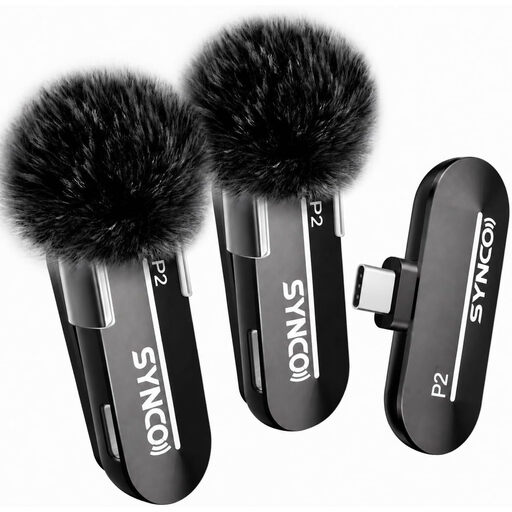 No image available
Suitable for a speaker who moves around and records using a compatible mobile device.
The product description lists a wireless lavalier microphone, a USB-C receiver and up to 6 hours of use. Compatibility with Android phones is mentioned.
Test the recording close to the speaker; a wireless connection won’t eliminate room echo.
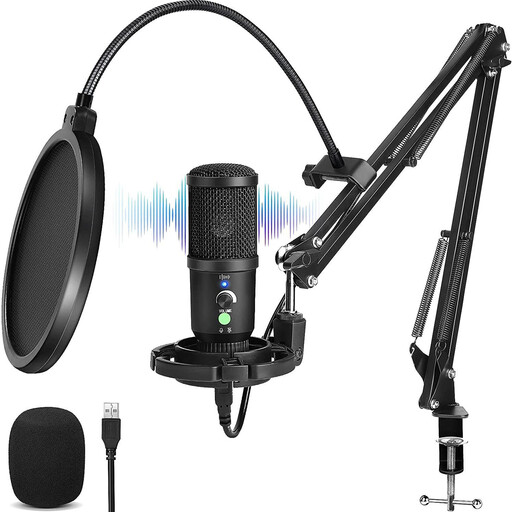 No image available
Suitable for recording at a fixed position with a computer and monitoring the recording through headphones.
The product description lists a cardioid pattern, a headphone socket for monitoring, gain control, mute and an included boom arm stand.
A cardioid pattern won’t eliminate room echo; make a test recording with the microphone close to the speaker.
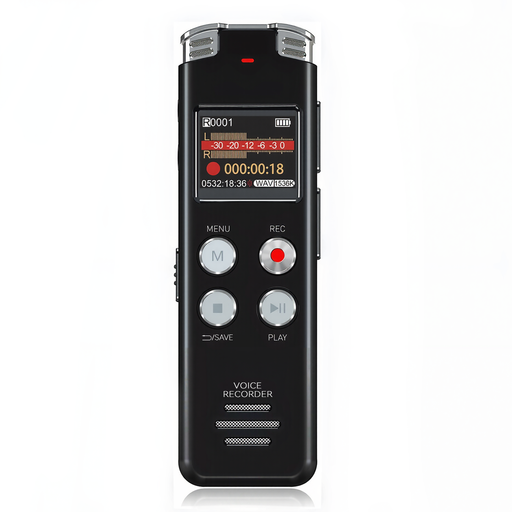 No image available
Suitable for recording and listening back without needing a laptop set up.
The product information lists 128 GB, MP3 and WAV recording, playback, A-B repeat and file transfer via USB-C.
Place the recorder close to the speaker to test how clear the recording is in the room.
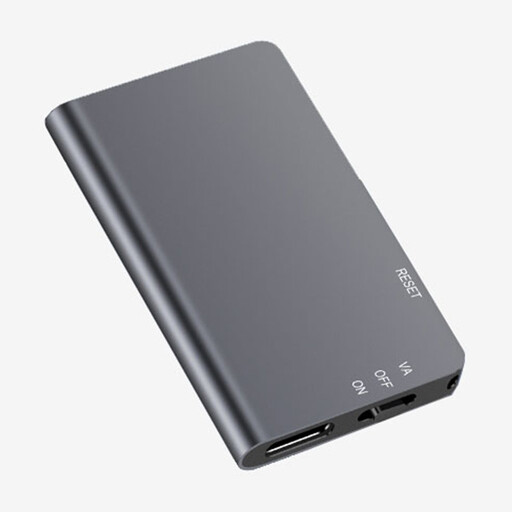 No image available
Suitable for recording without a laptop when you also want to listen back straight away.
The product description lists 64 GB of built-in storage, one-button recording, playback with the included headphones and up to 22 hours of recording.
Test the recorder close to the speaker; storage and recording time won’t change the room’s echo.
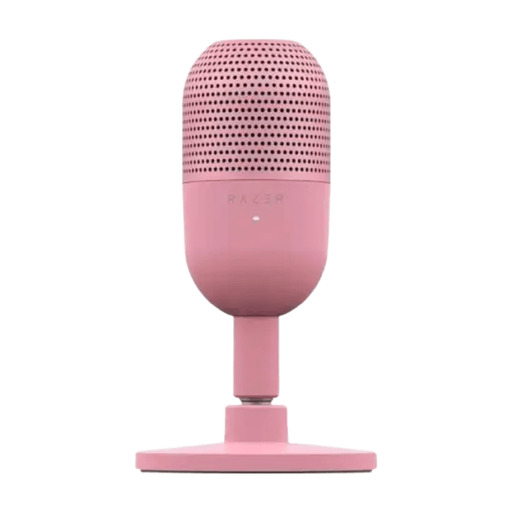 No image available
Suitable for a fixed computer station where you want to record your voice and quickly mute the microphone.
The product information lists USB, a supercardioid pickup pattern and tap-to-mute.
Even a directional pickup pattern won’t eliminate room echo; test the distance from the speaker in the practice room.
Position the microphone in front of the speaker’s mouth and make a short test recording in the usual place in the room. For the PodMic USB, RØDE recommends around 5–10 cm; this model-specific distance doesn’t automatically apply to other microphones.
Only if the mixing desk is specifically designed for that USB connection. A model with a separate XLR output can be connected to a compatible analogue microphone input; check the connections on both devices.
Check whether a stand and cables are included, and whether a standalone recorder needs storage and a power supply. When you buy online from a trader, you generally have a 14-day cooling-off period from delivery, according to the European Union’s Your Europe website. Exceptions may apply, and you should check any return costs stated in advance.
Not always: the RDI says a licence is usually not required if you use the correct frequency range and comply with the conditions. Some bands do require a licence, and available UHF frequencies can vary by location. So check the device, frequency and place of use.
It depends on who is recording, whether participants can be identified and what happens to the recording. According to the Dutch Data Protection Authority, an organisation needs a valid GDPR legal basis to process personal data; consent is one possible basis, but it isn’t automatically the only one. Decide on the purpose and applicable legal basis before recording identifiable participants or sharing recordings.