What should you look for when choosing?
First, assess the booth and the distance at which you can consistently record. Then choose the connection and monitoring controls that suit your recording setup. A directional pickup pattern won’t automatically eliminate sound coming from the direction you’re speaking in.
| Your concern |
What to look for when buying |
Who is this important for? |
| Clear speech despite booth noise |
Make a test recording with the ventilation set as you’d normally use it; check the pickup pattern, mounting and pop filter. |
If I can hear ventilation or echo, I want to know whether my voice will remain clear when I speak at a consistent distance. Around 31% of consumers prioritise reducing booth noise. |
| Simple connection |
Check that the connection works with your computer and recording software, check the cable, and consider whether you might want to use an audio interface later. |
I want to get started without a complicated recording setup and find out what my equipment needs. Around 25% of consumers prioritise a simple connection. |
| Monitoring long passages |
Check whether the model has a headphone output, monitor control or gain control, and try out the controls. |
When recording several passages, I want to hear and correct any issues in good time. Around 25% of consumers prioritise monitoring while recording. |
| Voice reproduction in a quiet booth |
Compare the same text using similar positioning and check how you can monitor the recording, either during or after recording. |
If my booth is quiet enough, I want to compare models for how they reproduce my narration. Around 19% of consumers prioritise vocal detail in this situation. |
Joybuy products
Here you’ll find Joybuy microphones for solo voice recording, including models for a fixed position and a portable setup. Check that each product’s connection and monitoring options suit your recording equipment.
 No image available
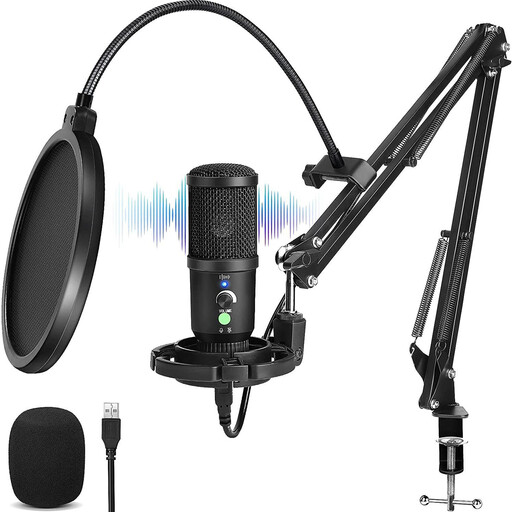
USB condenser microphone with cardioid pickup pattern
Could suit solo voice recording if you want to monitor your recording and adjust the level as you go.
USB condenser microphone; cardioid pickup pattern; 3.5 mm headphone output and gain control.
View at Joybuy
 No image available
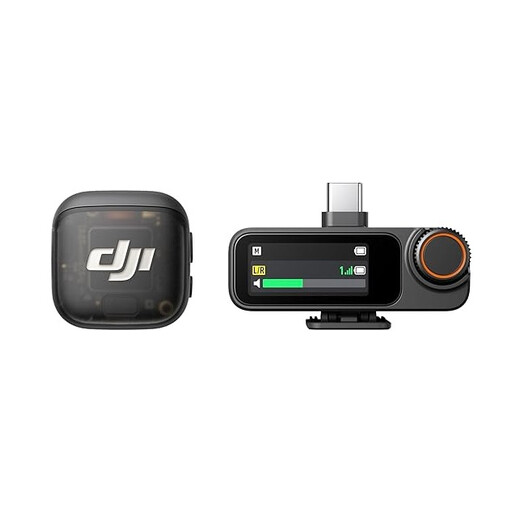
DJI Mic 3 (1 TX + 1 RX)
A portable option for solo commentary if you want to record with a compatible mobile device or camera.
Wireless microphone set with one transmitter and one receiver; product information lists a USB-C adapter.
View at Joybuy
 No image available
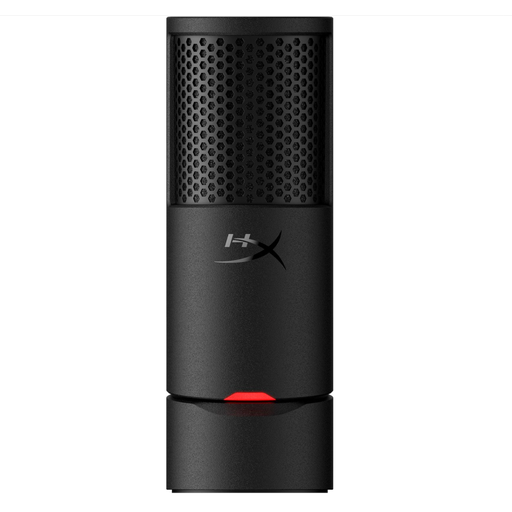
HyperX SoloCast 2
Could suit a fixed recording position for solo recordings; check that its positioning in the booth works for the way you speak.
USB microphone; cardioid pickup pattern; product information lists a fixed stand.
View at Joybuy
 No image available
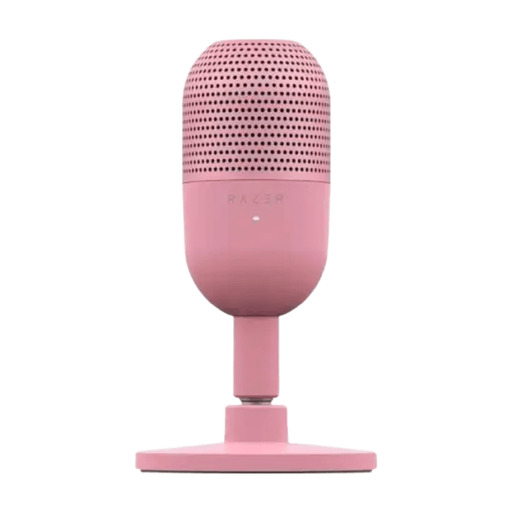
Razer Seiren V3 Mini Quartz
A compact USB option for recording speech from a fixed position; with a directional pickup pattern, pay attention to the direction you speak in.
USB microphone; supercardioid pickup pattern; tap-to-mute control.
View at Joybuy
 No image available
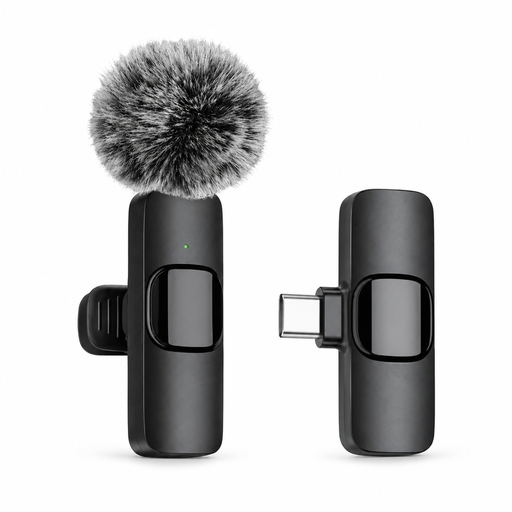
Verbex K9-Black wireless mini lavalier microphone
Could suit you if you’re looking for a portable microphone setup for spoken commentary; check that the connection is compatible with your recording device first.
Wireless mini lavalier microphone; Type-C interface.
View at Joybuy
Frequently asked questions
Can I use a USB microphone without an audio interface?
Yes, a suitable USB model can connect directly to a compatible recording device. If you’re recording on a computer via the analogue XLR output, you’ll need a suitable audio interface or mixer.
How do I test a microphone setup in the booth?
Record a representative passage from the intended position, then listen back to it. If necessary, adjust the distance, direction or position. Shure recommends varying the microphone’s position to assess direct sound and room sound.
What can I do if a microphone I bought online doesn’t work properly?
According to ACM ConsuWijzer, if a product doesn’t do what you were entitled to expect during normal use, you have the right to a solution from the seller. Online consumer purchases generally also come with a 14-day cooling-off period from delivery; check whether an exception applies.
Can I use existing museum texts or music in my commentary?
Don’t assume you can do so without permission. The Dutch Government states that you may generally only use copyright-protected texts and music with the creator’s permission. Before publication, check which rights and permissions apply to the specific material.
What if other people’s recognisable voices are picked up in the recording?
If you collect and use personal data, you need a lawful basis under the GDPR, according to the Dutch Data Protection Authority. Consent is one possible lawful basis, but it isn’t automatically the only one; assess the specific recording and publication separately.


