Who are these options for?

Organiser with a fixed speaking position

You want to record short introductions with the microphone close to the speaker, and you can check whether the hall’s sound system has a recording output. Shure explains why the distance from the microphone matters.

Organiser with a speaker who moves around

You want the microphone to move with the speaker and need a recording you can check. RØDE also describes recording directly on the transmitters with the Wireless PRO.

Volunteer without recording equipment

You want to record without a mixing desk and can place a standalone recorder near the speaking position. Zoom and Tascam describe portable recorders with built-in microphones.

What should you consider when choosing?

Wired handheld microphone

Suitable when: the speaker stays in one place or can hold the microphone, and there’s a compatible input with a recording path.

Keep in mind: the microphone needs to stay close to the speaker and doesn’t record audio itself.

Wireless system

Suitable when: the speaker moves around the hall or wants to keep their hands free.

Keep in mind: check the connection, power supply, placement and regulations for the frequency used.

Portable recorder

Suitable when: there’s no existing recording equipment and you can place the recorder close to the speaking position.

Keep in mind: a recorder placed further away will also pick up reflections from the hall. Check its placement, storage and power supply.

What to consider What should you check? Who is this important for?
Clarity in an echoey space Can the microphone stay close to the speaker? Make a test recording from the intended position. If I want to record short introductions clearly despite the hall’s echo, I’ll focus on the distance from the microphone; around 36% of consumers prioritise clarity.
Freedom to move around Check the transmitter and receiver setup, power supply and local recording function. If the speaker walks around the hall, I want a microphone that moves with them and a recording I can check; around 29% of consumers prioritise freedom of movement.
Recording without a mixing desk Check whether the device records on its own and what storage and power it needs. If there’s no hall sound system available, I want a recorder that can save audio by itself and can be placed close to the speaking position; around 21% of consumers prioritise standalone recording.
Connecting to equipment Check whether your computer or hall sound system supports the USB or XLR connection you’ve chosen. If I want to use my existing computer or sound system, I want to know in advance which input will handle the recording; around 14% of consumers focus on connectivity.

Common mistakes

  • Placing a microphone at the back of the hall to filter out echo

    The further the speaker is from the microphone, the worse the balance between their direct voice and reflected sound becomes. Shure explains that a microphone can’t separate direct speech from reflected hall sound after it has been recorded.

    Decide where the speaker will stand and make a test recording there before choosing a microphone or recorder.

  • Buying a wired microphone without checking the recording setup

    A microphone signal doesn’t automatically become a saved audio file.

    Map out the whole signal path in advance: from the microphone, through the hall equipment or computer, to where the file will be saved.

    Depending on your setup, you may need a compatible cable, a microphone input and a separate recording device.

  • Assuming the maximum wireless range is guaranteed indoors

    The stated maximum distance hasn’t been tested in your hall; a connection drop-out could also affect a recording made on the receiver.

    Test the system at the venue and, if it has local recording, check that the function is actually switched on.

  • Assuming every wireless microphone can be used without checking

    The Dutch Digital Infrastructure Inspectorate (RDI) distinguishes between frequencies that can be used without a licence under certain conditions and frequency bands that require a licence.

    Before use, check the frequency and the applicable conditions for the exact system with the RDI.

Brands to consider

Shure

The SM58 is a wired, dynamic cardioid handheld microphone designed to be used with a suitable recording setup.

  • Shure describes the SM58 as focusing on the main sound source.
  • The microphone doesn’t record on its own or fix poor hall acoustics, so place it close to the speaker.

Sennheiser

According to Sennheiser, the e 835 is a wired, dynamic handheld microphone with a cardioid pickup pattern.

  • A potential option for a fixed speaking position with a compatible microphone input.
  • Check the exact version and recording setup; the microphone doesn’t save a file itself.

RØDE

The Wireless PRO is a portable wireless system with recording on the transmitters, according to RØDE’s product specifications.

  • The manufacturer specifies two channels and 32-bit float recording on the transmitters.
  • The stated maximum wireless range doesn’t guarantee reception in a community hall. Also check the applicable frequency regulations in the Netherlands.

Zoom

The H1essential is a portable recorder with a built-in XY microphone, as described in Zoom’s manual.

  • An option for recording without a mixing desk or separate microphone.
  • Place the recorder close to the speaker and check the guidance on storage and power.

Audio-Technica

The ATR2100x-USB is a dynamic handheld microphone with a USB-C output for recording on a computer and an XLR output for a conventional microphone input.

  • The two connection options give you the choice of using a computer or a compatible XLR setup.
  • Check which input and recording method your hall actually supports.

Tascam

The DR-05XP is a portable recorder with built-in stereo microphones.

  • Tascam lists a 32-bit float mode for the recorder.
  • This recording feature won’t solve the problem of being too far from the speaker or audible echo in the hall.

Product picks at Joybuy

The products below include wireless microphones with recording features, as well as portable recorders and speakers with microphones. For wireless systems, check the frequency regulations for the exact version. For every setup, check how the recording will be saved.

DJI Mic Mini 2S with two transmitters, one receiver and charging case

DJI Mic Mini 2S (2 TX + 1 RX + Charging Case)

A wireless system for a speaker to wear, with product information also listing internal recording on the transmitters.

The title lists two transmitters, one receiver and a charging case. The product information mentions 32-bit float recording on the transmitters.

Check the frequency band and the Dutch regulations for using this exact system.

View at Joybuy
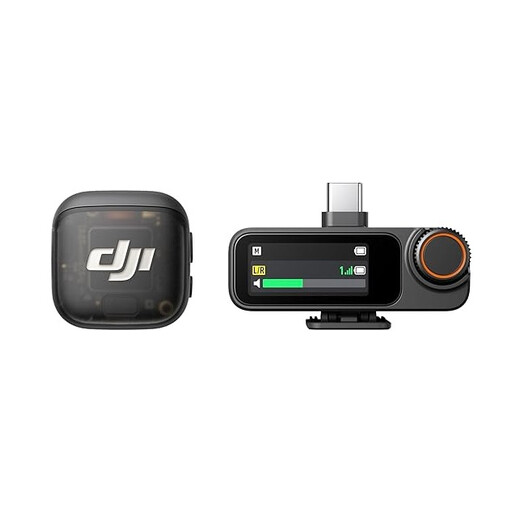
DJI Mic 3 with one transmitter and one receiver

DJI Mic 3 (1 TX + 1 RX)

A wireless microphone system for a speaker to wear, with product information listing internal recording on the transmitter.

The title lists one transmitter and one receiver. The product information mentions 32-bit float backup recording on the transmitter and connection to a receiver for recording equipment.

Check the frequency band and the Dutch regulations for using this exact system.

View at Joybuy
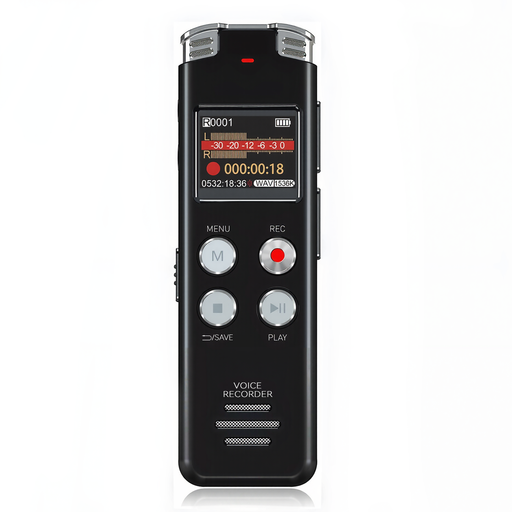
Rexsun L357 portable digital voice recorder with 128 GB

Rexsun L357 128GB Portable Digital Voice Recorder

A portable recorder for anyone who wants to record without a separate microphone. For speech, place it close to the speaking position.

The product information lists MP3 and WAV recording, USB-C transfer and a built-in microphone.

View at Joybuy
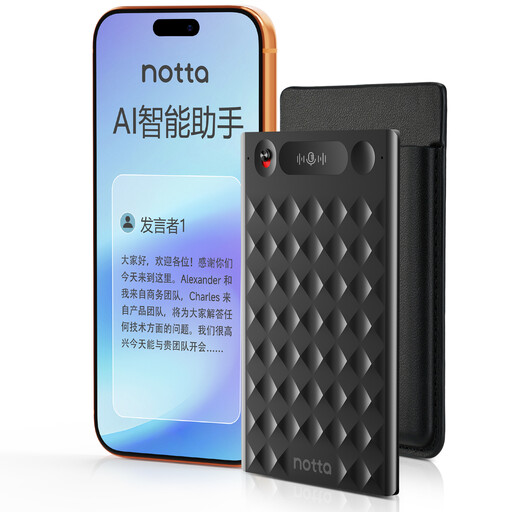
notta AI voice recorder with 32 GB and protective case

notta 32GB AI Voice Recorder with Case

A recorder for anyone who wants to capture audio without a hall sound system and use the listed transcription features.

The product information lists 32 GB of storage, a four-microphone array and transcription. The stated recording time and battery life are 30 hours each.

View at Joybuy
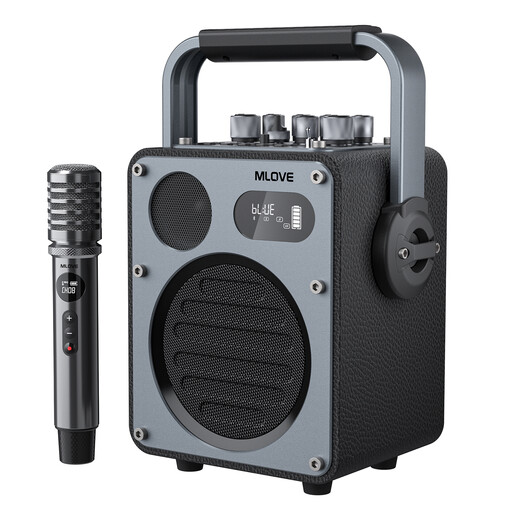
Mlove Rangers D4 portable karaoke system with wireless microphones

Mlove Rangers D4 Bluetooth Karaoke Speaker System

A portable speaker system with wireless microphones and voice recording, according to the product title.

The product information lists three channels and USB-C OTG for recording or livestreaming to a smartphone.

Check the frequency band and the Dutch regulations for using the wireless microphone.

View at Joybuy

Frequently asked questions

Can I connect a USB microphone directly to the hall’s sound system?

Not just because it has a USB connection. Check the inputs on the hall’s sound system: the Audio-Technica ATR2100x-USB has a USB-C output for recording on a computer and a separate XLR output for a conventional microphone input.

Where should I place a standalone recorder?

Place the recorder as close to the speaking position as is practical and make a test recording. Shure explains that direct speech can’t be separated from reflected hall sound after recording. For the Zoom H1essential, also consult the manual for guidance on placement and storage.

What if the microphone or recorder doesn’t work properly after I buy it?

When you make a consumer purchase in the Netherlands, you’re entitled to a product that conforms to the contract. According to the Dutch government, if there’s a problem with a product, you should contact the seller for a solution, not the manufacturer. Also check which cables, storage and power supply your setup needs.

Can an organisation record and share introductions by identifiable speakers without permission?

Don’t assume this is automatically allowed. If a recording contains personal data, processing it requires a lawful basis under the GDPR. The Dutch Data Protection Authority lists consent as one possible lawful basis. What’s appropriate depends, among other things, on who is recording and what happens to the recording.

Do I always need a licence for a wireless microphone in the Netherlands?

No. It depends on the frequency band used and the conditions that apply. According to the RDI, certain frequencies can be used without a licence under specific conditions, while some other bands require a licence. Check the frequency and usage conditions for the exact system before use.
