What should you consider when choosing?
First decide who will be speaking and whether they’ll stay in one spot. Then check the connection you need and test the setup in the hall.
| Consideration |
What should you look for? |
Who is this important for? |
| Clear speech in an echoey hall |
Check whether you can position the microphone close to the speaker, and make a test recording where they’ll be speaking. |
If I mainly want to record my own voice clearly, I need to be able to position the microphone nearby. Around 34% of consumers prioritise clear speech in echoey spaces. |
| Recording two voices |
Count the microphones you’ll need and check the number of compatible inputs, cables and stands. |
When interviewing a guest, I want to position both voices properly, even if we’re not sitting next to each other. Around 27% of consumers prioritise recording two voices. |
| Freedom of movement |
Check the transmitters, receiver and connection for the set you choose, and bear the battery and connection in mind. |
If I’m walking around the hall, I don’t want to have to stay by a table microphone. Around 20% of consumers give freedom of movement top priority. |
| Connecting and monitoring |
Compare the microphone output with the input on your computer, phone or recorder. Also check how you can monitor the sound while recording. |
For a straightforward setup, I want to know in advance whether my device can use the microphone and whether I can check the sound. Around 19% of consumers focus on connecting and monitoring. |
Products on Joybuy
These Joybuy products are suited to a fixed speaking position or to a speaker who moves around while recording.
 No image available
USB condenser microphone with cardioid pickup pattern
Could suit a fixed speaking position where you want to use a USB microphone.
The product name specifies a cardioid pickup pattern.
Joybuy
 No image available
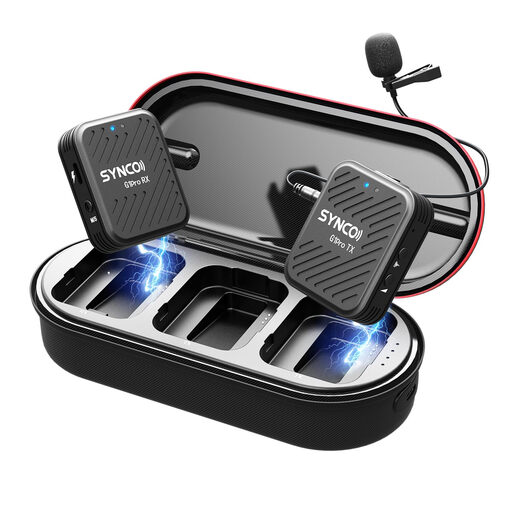
SYNCO G1(A1) Pro wireless lavalier microphone system
Could suit a speaker moving around the hall, as long as the connection is compatible with the recording device.
The product name specifies a wireless system for an SLR camera.
Joybuy
 No image available
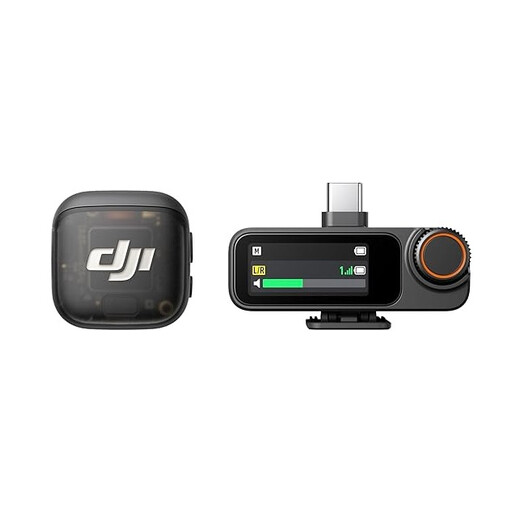
DJI Mic 3 (1 TX + 1 RX)
Could suit a speaker who moves around during the discussion; check that the receiver is compatible with your recording device.
According to the product name, the set includes one transmitter and one receiver. A second transmitter is needed to mic up two speakers separately.
Joybuy
 No image available
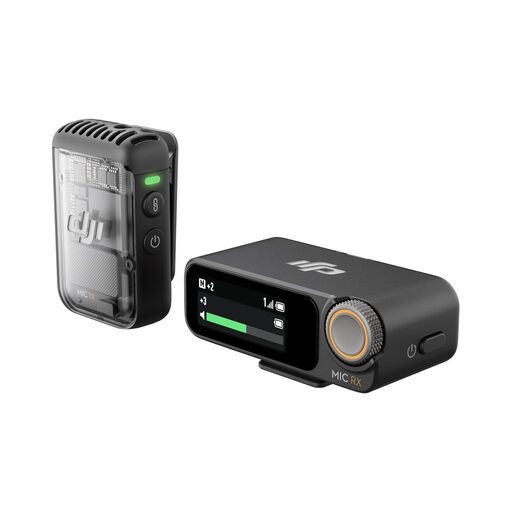
DJI Mic 2 (1 TX + 1 RX)
Could suit a speaker on the move, provided you can connect the receiver to the recording device.
The product name specifies internal 32-bit float recording. The set includes one transmitter and one receiver; a second transmitter is needed to mic up two speakers separately.
Joybuy
 No image available
Razer SEIRÉN V3 MINI Quartz USB microphone
Could suit a fixed speaking position if your recording device supports the USB microphone.
The product name specifies a supercardioid pickup pattern and a USB connection.
Joybuy
Frequently asked questions
Does the microphone need to be at the back of the hall to record the whole book discussion?
Not if clear speech is your main aim. In an echoey space, a microphone placed at a distance can’t separate direct and reflected speech effectively. Instead, position microphones close to the speakers and test the setup on site.
Can you connect an XLR microphone directly to your laptop via USB?
An XLR output isn’t the same as USB. The Audio-Technica ATR2100x-USB and RØDE PodMic USB both have these connections. For a microphone with XLR only, you’ll need a suitable recording input, mixer, interface or recorder.
What should you check just before recording?
Make a test recording from the actual speaking positions and monitor the sound if your setup allows it. With a wireless set, also check the receiver connection and battery level, and keep the position of a handheld microphone consistent.
What additional costs and warranty rights should you consider?
Check whether your setup also needs a stand, cable, second microphone or suitable recorder. When you buy as a consumer in the Netherlands, you’re entitled to a product that meets the required standards. According to the Dutch government, there’s no fixed statutory warranty period in the Netherlands; the retailer is your point of contact if a product is faulty.
Can an organisation record identifiable voices and publish the recording?
A sound recording in which someone can be identified may contain personal data. If the GDPR applies to the processing, the organisation must identify an appropriate lawful basis before processing and inform the people concerned. According to the Dutch Data Protection Authority, consent is required in most cases to publish personal data online. Whether a particular recording or publication is permitted depends, among other things, on its purpose, the people involved and the applicable exception; holding a meeting in a hall does not in itself amount to general consent.


