
Vandaag of morgen in huis

Kwaliteit gegarandeerd

Welkomstaanbiedingen ontgrendelen: GRATIS bezorging | Tot 80% korting | Gratis 30 dagen JoyPlus-proefperiode
Download de app
A set of microfibre cloths may seem simple: choose a colour, check the number of pieces and add the product to your basket. However, differences in size, material and care can make a big difference. The wrong cloth may leave lint on glass, absorb too little moisture or become stiff after just a few washes.
For households, offices, car owners and professional cleaners, three pitfalls are particularly important:
Microfibre cloths are usually made from extremely fine synthetic fibres. Their structure helps trap dust, dirt and grease. However, not every cloth has the same density. Where this information is available, a value in g/m² provides a useful indication of the amount of material per square metre.
A 260 g/m² cloth, such as the Microfibre Cloths 30x30cm Set of 1, is compact and suitable for everyday tasks in the kitchen, bathroom, car or office. A thicker cloth may absorb more moisture, but it may also take longer to dry. For light dusting, a thinner cloth may be perfectly adequate.
Also pay attention to the composition. According to the product description, the Dunlop cloth for glass is made from 100% viscose and has a structure designed for glass surfaces and car windscreens. This makes its intended use clearer than a cloth labelled simply “multifunctional”.
The size determines how much surface you can clean in a single movement:
A streak-free cloth, window cloth or glass cloth should be clean before you begin. Remove coarse dust and dirt first. When cleaning glass, do not use too much product; excess moisture can actually cause smears. For floors, check that the material is suitable for surfaces such as laminate, PVC, tiles or treated wood. The Microfibre Floor Cloth 50x60cm explicitly lists these surfaces in its product specifications.
If you want to use fewer disposable products, choose reusable cleaning cloths or washable cleaning cloths. Check:
According to the product information, the Cleany Micro Cloths are machine washable and preferably air-dried. The Microfibre Cloths 30x30cm Set of 1 can be washed at up to 60 °C according to the stated instructions, without fabric softener. The floor cloth can be washed at up to 90 °C, according to the product specifications. These temperatures are specific to each product and are therefore not a general rule for all microfibre cloths.
Where possible, use separate cloths for the kitchen, bathroom, toilet, car and electronics. Different colours make it easier to keep these uses organised. A slightly damp cloth is often suitable for grease and fingerprints, while dry use works better for dust on smooth surfaces. When cleaning electronics, switch the device off first and do not use excessive amounts of water.

Why it suits this profile: Measuring 30 x 30 cm, it is easy to store and suitable for everyday cleaning at home, in the car or at the office.
The 260 g/m² density and clearly specified dimensions make the choice easier to assess, rather than relying solely on the term multifunctional.
High-density microfibre, a lint-free structure according to the product description and machine washable at up to 60 °C.
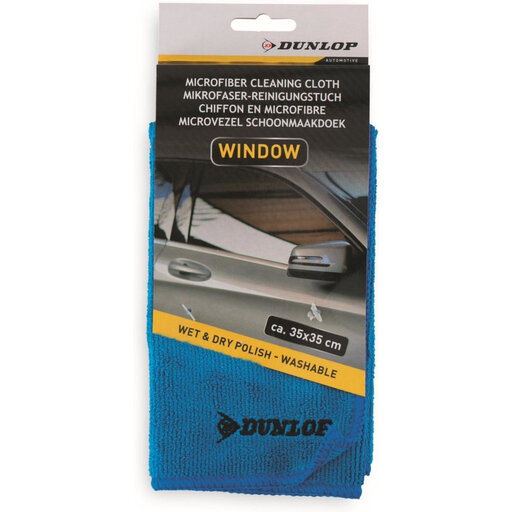
Why it suits this profile: This cloth is designed for glass and car windscreens, making it ideal for users who do not want one general-purpose cloth for every surface.
Its intended use and dimensions are clearly stated. This means the cloth does not rely on a vague claim that it is suitable for every surface.
35 x 35 cm, 100% viscose according to the product information and suitable for use with warm or cold water.
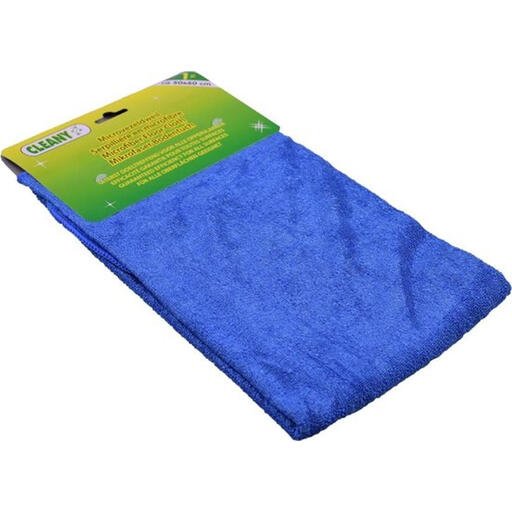
Why it suits this profile: Its large size is designed for floors and use with a floor mop, for example in a home, office or professional premises.
This cloth is not presented as a small universal wipe. Instead, it specifies a 50 x 60 cm size and clearly lists the types of flooring it is suitable for.
Washable at up to 90 °C according to the product information, suitable for several smooth floor types and designed for use without liquid cleaning products.
We have put together a complete, up-to-date list of products that fully meet these strict selection criteria and the applicable European safety regulations.
An electrostatic duster is primarily intended for dry dusting. The Electrostatic Cloths for Swiffer Set of 10 states that it has a static charge for collecting dust from floors and hard surfaces. According to the product description, this type of cloth is disposable and therefore differs from reusable cleaning cloths.
That depends on the structure and product description. For windows and mirrors, choose a glass cloth or window cloth in a suitable size. Remove coarse dirt beforehand and use a clean cloth to help limit scratches and streaks caused by dust particles.
Lifespan varies according to the material, frequency of use, washing temperature and care. Wash the cloth according to the label, avoid fabric softener where indicated and allow it to dry thoroughly. A cloth that remains stiff, damaged or heavily soiled is less suitable for delicate surfaces.
Not always, but separate cloths for the kitchen, bathroom, toilet, car and electronics are practical and more hygienic. Colour sets, such as a set containing multiple colours, help prevent mix-ups. For floors, glass and car interiors, a specific size or structure is often more convenient than one general-purpose cleaning cloth.
