
Vandaag of morgen in huis

Kwaliteit gegarandeerd

Welkomstaanbiedingen ontgrendelen: GRATIS bezorging | Tot 80% korting | Gratis 30 dagen JoyPlus-proefperiode
Download de app
A microfibre mop may seem straightforward, but the differences between models and replacement pads are significant. A pad that doesn’t fit the frame properly will slip while you’re mopping. A mop that’s too wet can leave streaks or cause moisture problems on laminate and wood. And a cheap set with a thin fibre structure can feel less effective after just a few washes.
If you compare carefully, you won’t just look at the price. Compatibility, dimensions, washability and moisture control are what really determine whether a microfibre mop stays pleasant to use.
“Universal” doesn’t mean every replacement mop pad will fit every frame. Check the length, width and attachment method. A pad measuring 40 x 13 cm, for example, isn’t automatically suitable for a flat mop of 49 x 12 cm. Also pay attention to Velcro, press studs, insertion flaps or a specific fastening system.
With robot vacuum cleaners, compatibility is even more important. A replacement set for the Eureka J12 Ultra is designed for that specific model. You can’t simply use any random microfibre pad with it.
Microfibres can pick up dust, hairs and moisture, but the result is also influenced by the amount of water, the cleaning product and the floor finish. A spray mop helps keep the amount of liquid limited. For wooden floors and some types of laminate, that’s practical, but always check the maintenance instructions from your floor manufacturer.
On sensitive surfaces, don’t use aggressive cleaners unless they are recommended. What’s more, grains of sand and other coarse dirt can cause scratches if they get trapped between the pad and the floor.
A reusable mop is only cost-effective if the pad is washed properly and dried completely. Fabric softener can coat the fibres and reduce their absorbency. Bleach can damage the material. So always check the recommended washing temperature and drying method.
If you mop frequently, it’s handy to have several pads. That way you can use a clean pad while the other one is being washed and dried.
Measure your existing mop frame before buying. Check:
One example is the Microfiber Flat Mop head measuring 49 x 12 cm. According to the product description, it is intended as a suitable replacement pad for specific flat mop systems. The pad weighs 59 grams and has a thickness of 3 mm. Still, always check whether these dimensions match your frame.
A microfibre mop usually consists of very fine synthetic fibres. The practical differences lie in the density, finish and edge construction. Welded edges can help limit fraying, while a secure attachment prevents the pad from coming loose.
Look at the stated washing instructions. The Microfiber Flat Mop head mentioned can be washed at 40 to 60 °C according to the product information and is rated for more than 300 wash cycles. That’s a product specification, not a guarantee of the same lifespan in every use. Wash with a mild detergent, avoid fabric softener and let the pad dry completely.
For tiles and vinyl, a slightly damper pad is often practical. With a mop for laminate and tiles, you especially need to be able to control the amount of moisture. A bucket with a wringing mechanism makes that easier. For a mop for wooden floors, a lightly damp pad is usually more sensible than a soaking wet mop, but follow the instructions from your floor supplier.
A flat mop distributes pressure over a wide surface and easily reaches under furniture. A mop and bucket set, on the other hand, gives you more control over wringing. Choose a spray mop if you want to quickly touch up small areas without getting a full bucket ready.
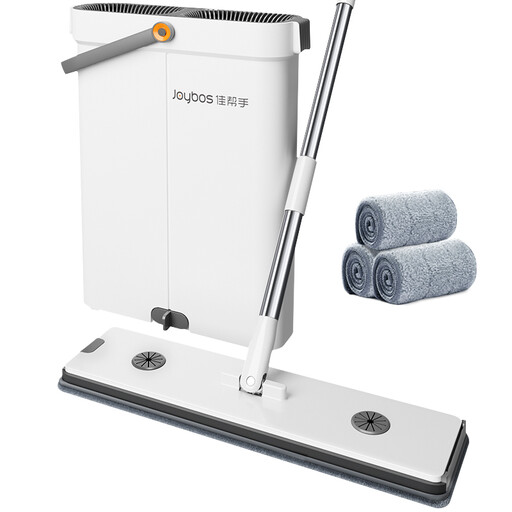
Why this fits the profile: A four-piece set is practical for households that mop regularly and want a spare pad on hand. Check beforehand whether your self-wringing flat mop is suitable for 40 cm pads.
The product name states the 40 cm size and the specific self-wringing flat mop system. This allows you to check compatibility more precisely than with an unspecified universal pad.
Four replacement pads in one pack; designed for a self-wringing flat mop system.
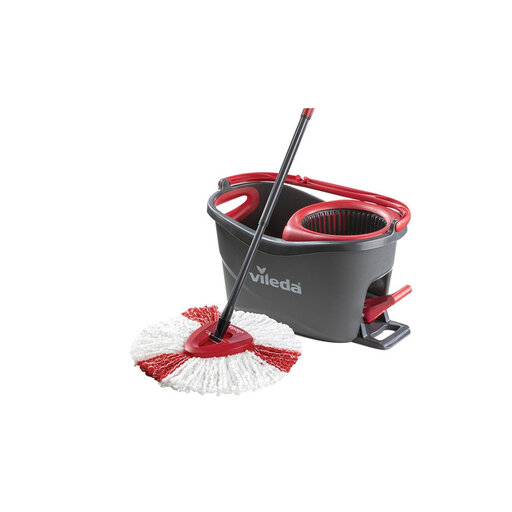
Why this fits the profile: This mop and bucket set is designed for controlled wringing without touching the mop with your hands. That suits larger households and users who often do wet cleaning.
The pedal operation helps you control the amount of moisture. The telescopic handle is adjustable and the mop head rotates 360 degrees according to the product description.
Pedal-operated spin wringer; telescopic handle; washable microfibre mop head according to the product information.
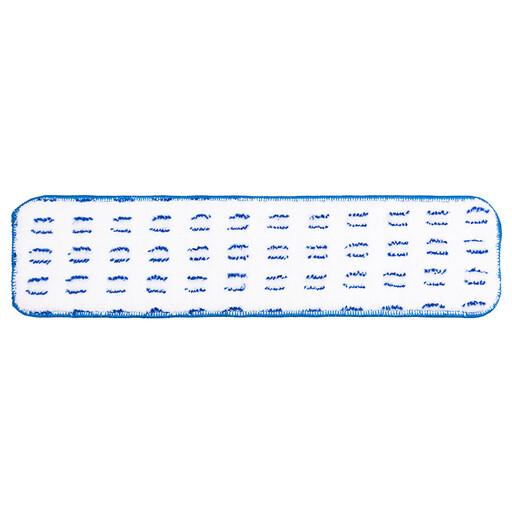
Why this fits the profile: This replacement mop pad is suitable for users who value exact dimensions and washability, for example in an office, school or large household.
The dimensions of 49 x 12 cm, the weight of 59 grams and the washing instructions are clearly stated. That makes it easier to compare with your existing flat mop.
Machine washable according to the product description; split-type microfibre; rated for more than 300 wash cycles.
We’ve put together a full, up-to-date list of products that fully meet these strict selection criteria and comply with current European safety regulations.
A replacement mop pad should be replaced when the fibres are visibly worn, the attachment no longer works properly, or the pad remains dirty and streaky despite correct washing. With robot vacuum accessories, the recommended replacement period can vary depending on use. For the Eureka J12 Ultra accessory set, the product description mentions roughly every three to four months, depending on usage.
Often yes, as long as the floor can be cleaned with water according to the manufacturer. Use a well-wrung pad and avoid puddles. A flat mop or spray mop can help distribute the moisture evenly.
Wash the pad after use when it is visibly dirty or damp. In a household with pets or a lot of foot traffic, that may be necessary after every clean. Having several pads makes it easier to keep working hygienically.
A separate microfibre mop or replacement pad usually requires a smaller purchase. A mop and bucket set takes up more space and costs more, but offers an integrated way to rinse and wring. The right choice depends on the floor area, how often you clean and the storage space you have available.
