
Vandaag of morgen in huis

Kwaliteit gegarandeerd

Welkomstaanbiedingen ontgrendelen: GRATIS bezorging | Tot 80% korting | Gratis 30 dagen JoyPlus-proefperiode
Download de app
After washing your hair, the last thing you want is to walk around with a heavy, wet towel on your head. A microfibre hair turban can absorb excess water and, thanks to its shape, stays in place much better than a regular towel. However, not all models are equally suitable for long, curly, fragile or colour-treated hair.
When buying, pay particular attention to the material, the fit and the care instructions. Marketing terms like “anti-frizz” or “quick-drying” don’t mean much on their own if the hair towel turban is too small, feels rough, or loses its shape after just a few washes.
An absorbent hair towel is sometimes promoted with big claims about faster drying or less frizz. So, check whether the product information also mentions the material, dimensions and closure. With the YIJINCHAN models, for example, it’s a microfibre mix of polyester and polyamide, with a stated size of 65 × 40 cm.
According to the product description, the turban can reduce drying time by up to 50% compared to regular towels. That’s a claim from the manufacturer’s product information and not a guaranteed result for every hair length or thickness.
A hair wrap for wet hair needs to enclose enough hair without pulling tightly on the scalp. With thick or long hair, a small model can come undone. An elastic band with a button or loop helps to secure the turban, but also check the total length and width.
A closure that’s too loose makes the turban awkward when you’re getting dressed. A closure that’s too tight can be uncomfortable, especially if you wear the hair towel for a longer period.
Fabric softener can coat the microfibre fibres, making the material less effective at absorbing moisture. Bleach, high temperatures and ironing are also not always suitable. A reusable hair turban is only practical if you care for it according to the care label and let it dry completely between uses.
A microfibre hair turban is typically made from very fine synthetic fibres. According to the product description, the YIJINCHAN turban uses a polyester/polyamide mix. This material is lightweight and compact, making it suitable for home use and travel.
Alongside the fibres, also look at the finish. A high density can contribute to water absorption, but it doesn’t automatically mean every model feels equally pleasant. So, look at the fabric description, the weight and user reviews when available.
A size of approximately 65 × 40 cm offers enough room to wrap medium to long hair. The precise suitability depends on the amount of hair and how you twist the turban.
An elastic band with a button or loop has two practical advantages:
For curly hair, it’s wise not to wring the hair out harshly. First, gently squeeze water from the hair, then place the turban and twist the material loosely.
The mentioned YIJINCHAN models are machine washable according to the product information. Washing on a cold, gentle cycle with a mild detergent is recommended. Avoid bleach, fabric softener and ironing. Air drying or drying on a low temperature is the advised method.
Check the elastic band, the loop and any seams over time. There is no fixed lifespan that applies to every user. Frequent washing, harsh wringing and drying at high temperatures can accelerate wear and tear.
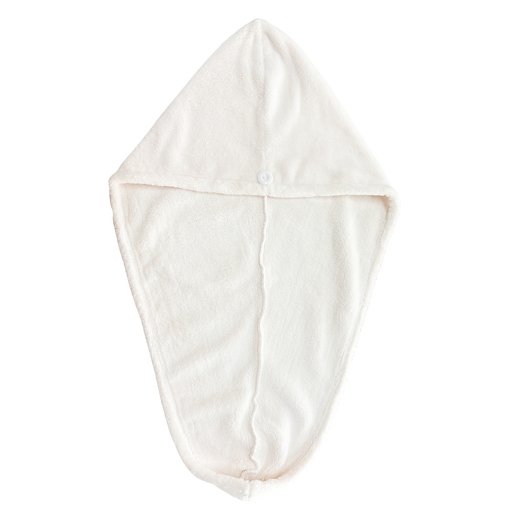
Why it fits the profile: A straightforward model for anyone using a microfibre hair turban for the first time and looking for a neutral colour for everyday use.
The product information lists the material, dimensions, weight and care instructions. This allows you to assess the fit and care requirements in advance.
Polyester/polyamide microfibre, size 65 × 40 cm, approximately 90 grams and a closure with elastic and button or loop.
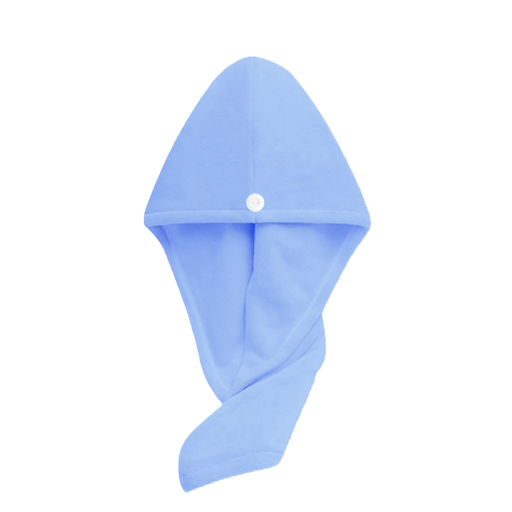
Why it fits the profile: Ideal for anyone with an established hair care routine who wants a reusable, lightweight turban for home or on the go.
The provided instructions warn against fabric softener and high heat. This makes it clear how to best maintain absorbency and shape.
Lightweight at approximately 90 grams, machine washable according to the description and an elastic closure with button or loop.
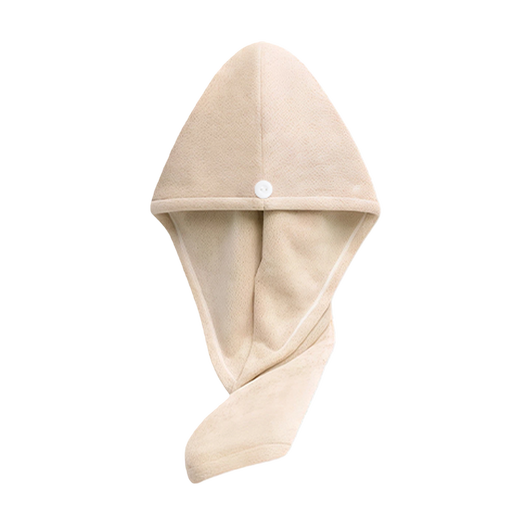
Why it fits the profile: A practical option for people with long, curly or colour-treated hair who want to minimise friction from a regular towel after every wash.
The combination of 65 × 40 cm and an adjustable closure offers more security than a loose towel. Still, wrap the hair loosely; the turban doesn’t prevent every form of frizz or hair breakage.
Microfibre mix of polyester and polyamide, approximately 90 grams, reusable and, according to the product description, suitable for different hair lengths and textures.
We’ve put together a full, up-to-date list of products that fully meet these strict selection criteria and comply with current European safety regulations.
For curls, squeezing is usually gentler than rubbing. Also, don’t use the turban as a substitute for a treatment or styling product. It is primarily a tool for absorbing excess water.
It can be, because microfibre is generally less rough than some regular terry cloth towels. However, the result depends on how you use it, your hair texture and the condition of your hair. Don’t rub and don’t twist the turban too tightly. The term “anti-frizz” is no guarantee of a frizz-free result.
Wash the turban when it’s visibly dirty, smells musty or is used regularly. Follow the care label and, for this type of product, preferably use a mild detergent. Fabric softener and bleach are not recommended according to the product information. Let the turban dry completely before storing it.
This varies depending on frequency of use, wash cycle and drying method. Regularly check the seams, elastic band and closure. When the fabric becomes thin, the turban no longer stays in place properly or absorbs less water, replacing it is more practical than continuing to use it.
