
Vandaag of morgen in huis

Kwaliteit gegarandeerd

Welkomstaanbiedingen ontgrendelen: GRATIS bezorging | Tot 80% korting | Gratis 30 dagen JoyPlus-proefperiode
Download de app
Microfibre cloths may seem simple, but the differences between sets are noticeable in everyday use. A 30 x 30 cm cloth is convenient for furniture and kitchen surfaces, while a larger floor cloth covers more space in less time. The material, washing instructions and number of cloths also determine whether a purchase remains practical over time.
If you only look at a low price or a striking claim, you could end up with an impractical set. Pay particular attention to these common pitfalls.
A set of ten may seem good value, but it is not automatically suitable for every task. Thin cloths can be useful for everyday dusting, while windows, floors and car interiors often require a different size or texture. So check whether the set suits your cleaning routine.
A manufacturer may state that a cloth leaves no streaks or fluff behind. This is a product claim, not a guaranteed result in every situation. According to the product descriptions from various suppliers, how the cloth is used often depends on whether you clean dry or with moisture, the amount of cleaning product used and the condition of the surface.
For streak-free cleaning of glass, it usually helps to use a clean cloth, apply only a small amount of cleaning product and rinse the cloth thoroughly after use.
Reusable cleaning cloths are only practical if they retain their texture. Washing instructions vary by product. According to the product information, some cloths can be washed at up to 60 °C or 90 °C, while others should be washed at 30 °C or 40 °C. Fabric softener and bleach can affect the properties of microfibre and are not recommended for several products.
Microfibre cloths are often made from polyester and polyamide. The blend and density affect how the cloth feels, absorbs moisture and holds on to dirt. For example, the Microfibre Cloths 30x30 cm Set of 1 is listed with a density of 260 g/m². This is a verifiable product specification that helps you compare a cloth in a compact size.
Bear in mind that not every product described as “microfibre” uses exactly the same material. The Dunlop Microfiber Cloth for Glass is described as 100% viscose. Always check the product specifications rather than relying solely on the product title.
A size of around 30 x 30 cm is suitable for everyday use on tables, mirrors, worktops, screens and furniture. A 35 x 35 cm cloth offers a little more coverage for tasks such as cleaning car windows. A larger size is more practical for floors. The Microfibre Floor Cloth measures 50 x 60 cm and, according to the product information, is suitable for wood, laminate, PVC, tiles and linoleum, among other surfaces.
Check whether a cloth can be used dry, damp or in both ways. Dry use is useful for dust and light dirt. A damp cloth works better on grease, fingerprints and dried-on dirt. Take care when cleaning delicate surfaces such as screens and lenses. Use a suitable product when required by the surface and, if in doubt, test it on an inconspicuous area first.
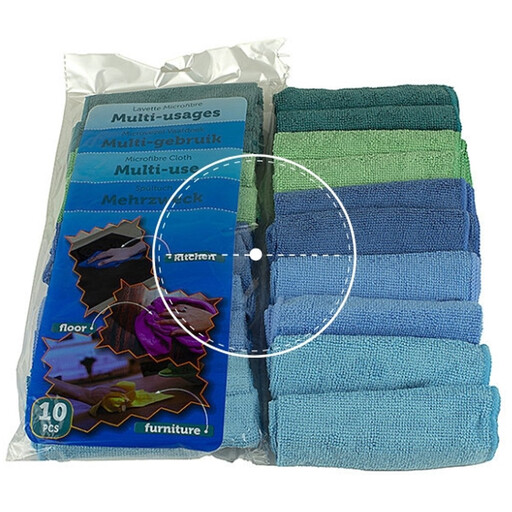
Why it suits this profile: The set contains 10 cloths measuring 30 x 30 cm. The different colours make it easier to allocate cloths to different rooms, such as the kitchen, bathroom and living areas.
The quantity and size are clearly stated. You are therefore buying a specific set rather than relying on a general cleaning claim.
10 cloths, microfibre material and a practical size for use in several rooms.

Why it suits this profile: This cloth is a focused choice for anyone who wants more information about density and care before buying. Its size is suitable for everyday use at home, in the office or in the car.
The stated density of 260 g/m² makes comparison more meaningful than an unspecified product claim.
30 x 30 cm, 260 g/m² and, according to the product information, machine washable at up to 60 °C.
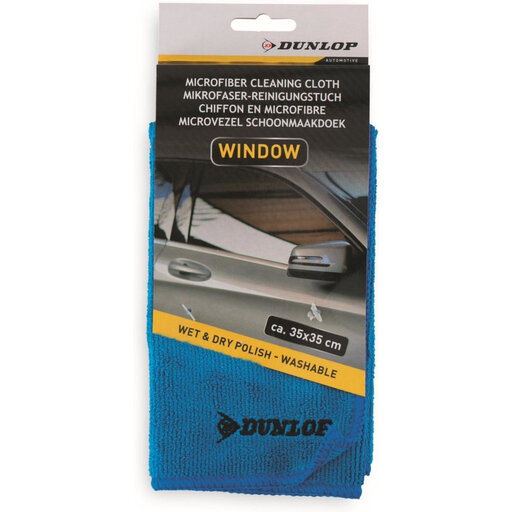
Why it suits this profile: This cloth is specifically intended for glass and car windows. It is therefore a good fit for motorists and households looking for one cloth for windows, mirrors or the car interior.
Its intended use and dimensions are clearly defined. According to the product description, the cloth can be rinsed with warm or cold water and reused.
35 x 35 cm, blue design and a texture intended for glass surfaces according to the product information.
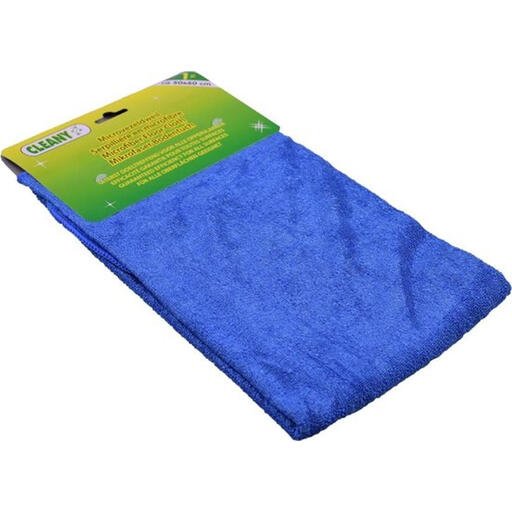
Why it suits this profile: The 50 x 60 cm size is designed for floors and larger smooth surfaces. This reduces the number of cloths you need during a cleaning session.
The cloth is not presented as a universal solution. Instead, it has a clearly defined floor-focused purpose and care instruction.
50 x 60 cm, suitable for different types of flooring and, according to the product description, washable at 90 °C.
We have put together a complete, up-to-date list of products that fully meet these strict selection criteria and the applicable European safety regulations.
Wash washable cleaning cloths after use according to the label. Where possible, keep cloths for the toilet, kitchen, windows and car separate. This helps prevent dirt from being transferred between different uses.
Practical points to bear in mind:
For cleaning cloths for the kitchen and bathroom, having several cloths is useful because you can replace them more quickly when they become damp or dirty. For a car interior, a soft car polishing cloth in a separate colour can help prevent it being mixed up with kitchen cloths.
Use a clean, slightly damp cloth and remove any excess water thoroughly. Work in strips and turn the cloth over when one side becomes dirty. For the final buffing, you can use a dry, clean cloth. The result also depends on the glass, the amount of cleaning product used and the dirt present.
This varies depending on the material and product. The product information for the items mentioned includes wash programmes at 30 °C, 40 °C, 60 °C and 90 °C. Always follow the care label. The service life depends on use, dirt, friction and care, so it would not be fair to guarantee a fixed number of washes.
According to their product descriptions, many cloths are suitable for glass, mirrors and other smooth surfaces. For screens and lenses, it is important to use a soft, clean cloth free from hard particles. Use very little moisture and always check the instructions provided by the device manufacturer.
