
Vandaag of morgen in huis

Kwaliteit gegarandeerd

Welkomstaanbiedingen ontgrendelen: GRATIS bezorging | Tot 80% korting | Gratis 30 dagen JoyPlus-proefperiode
Download de app
Microfibre cloths are useful for glass, furniture, worktops, bathroom fittings and the inside of your car. However, not every cloth is suitable for every task. For example, a thin cloth for windows may not absorb enough moisture for a wet kitchen floor. A highly absorbent dishcloth may leave lint or streaks on glass.
If you only look at the number of cloths or a prominent claim on the packaging, you may end up paying for features that add little in practice. Instead, focus on the material, dimensions, care instructions and intended use.
“Multi-purpose” does not automatically mean that a cloth is equally suitable for every surface. Cloths for glass often have a fine, smooth texture. Kitchen and bathroom cloths are generally designed to handle moisture and dirt. For floors, larger cloths are more practical because they cover more surface area.
Where possible, also use separate colours for each room. This helps prevent the same cloth from being used on the toilet and then on the worktop.
The term microfibre does not tell you everything. Check whether the product page clearly states the material. Some products are described as microfibre cloths, while the material specification may list viscose, polyester or polyamide, for example.
Density can also be relevant. A cloth weighing 260 g/m² will generally have a different texture and absorbency from a very thin one. That does not automatically make it suitable for every job, but it provides more information than a general term such as “extra strong”.
Streak-free cleaning cloths can help, but the result also depends on the surface, the amount of water, the cleaning product and the presence of sand or grease. When cleaning windows and mirrors, it is sensible to remove coarse dirt first. Otherwise, particles of dirt may be rubbed across the surface.
According to the product descriptions of some brands, certain cloths are suitable for glass, mirrors or screens. Treat this as the brand’s product information and always check the care instructions for the surface itself.
Soft, low-lint cloths are practical for everyday dusting. For glass and stainless steel, a fine texture is often more convenient than a coarsely woven dishcloth. When cleaning in the kitchen, absorbency and how easily the cloth can be wrung out are particularly important.
Pay attention to the precise description:
A size of approximately 30 × 30 cm is easy to hold and suitable for furniture, desks, worktops and dashboards. Larger cloths, such as 35 × 35 cm or 40 × 30 cm, offer more surface area for windows or larger items of furniture.
For floors, sizes of around 50 × 60 cm or 50 × 70 cm make more sense. They may fit a floor mop or pick up more dirt during a single cleaning session. However, check that the cloth is compatible with your system.
Reusable cleaning cloths are only practical if they can be washed properly. Check:
According to product instructions, fabric conditioner can affect the performance of some microfibre cloths. Store clean cloths somewhere dry and use separate cloths for the kitchen, bathroom, glass and car.
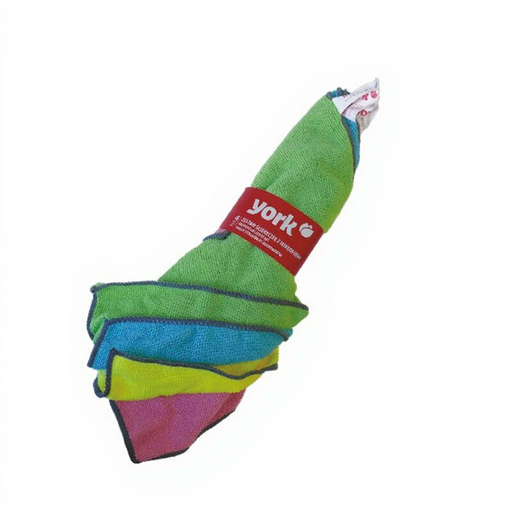
Why it suits this profile: A set of four cloths in a compact size is a practical starting point for glass, mirrors, furniture and everyday surfaces.
The dimensions and quantity are clearly stated. This means you can compare the price per cloth and the size in advance, rather than relying solely on marketing terms.
According to the product description, it is suitable for dry and wet use, washable and intended for windows, mirrors, screens and lenses, among other surfaces.

Why it suits this profile: Suitable for anyone who would rather choose a single cloth with a specified density for versatile use around the home, in the office or in the car.
The product information specifies a density of 260 g/m², a size of 30 × 30 cm and washing at up to 60 °C. This makes the choice easier to assess.
The description mentions a soft, low-lint texture, use on delicate surfaces and repeated machine washing without fabric conditioner.
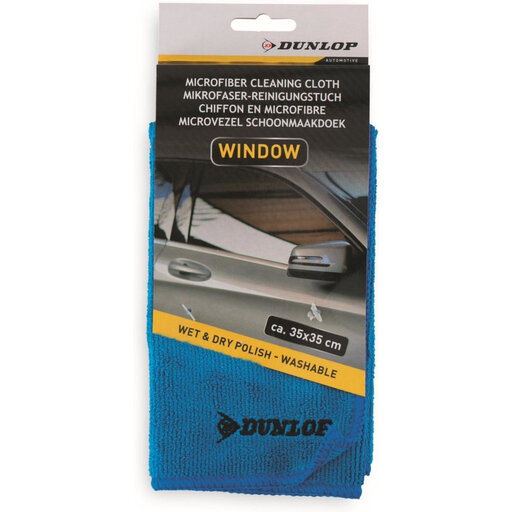
Why it suits this profile: Designed for car owners and households that want a separate cloth for windows, mirrors and glass surfaces.
The product is specifically described as a glass cloth. This means you do not have to use a general-purpose dishcloth on car windows or household windows as well.
The cloth measures 35 × 35 cm and, according to the product information, can be rinsed with warm or cold water and reused. The material specification states 100% viscose.
Rinse cleaning cloths thoroughly after use and allow them to dry completely before putting them away. Wash heavily soiled cloths separately from clothing. Do not use fabric conditioner on products where the manufacturer advises against it. For cloths that have come into contact with grease, cleaning products or car-care products, a separate wash is advisable.
A colour-coding system helps you work hygienically: for example, blue for glass, yellow for the kitchen and red or pink for bathroom fittings. Replace a cloth when it starts to fray, continues to smell unpleasant or no longer lifts visible dirt.
We have put together a complete, up-to-date list of products that fully meet these strict selection criteria and the applicable European safety regulations.
That depends on the texture and product description. Choose a cloth specifically intended for glass or smooth surfaces. Remove sand and coarse dirt first and do not use too much cleaning product. A second, dry cloth can help remove any remaining moisture.
There is no fixed number of washes that applies to every product. The service life depends on the material, use and care. Follow the maximum washing temperature stated on the label and avoid fabric conditioner when this is advised against. Rinsing regularly and allowing the cloths to dry completely helps to limit odours.
A set can be practical when you clean several rooms or want to use different colours for different tasks. However, compare the price per cloth, the size and the washability. A small set for glass may offer better value than a large set containing several cloths that do not suit your cleaning routine.
