
Vandaag of morgen in huis

Kwaliteit gegarandeerd

Welkomstaanbiedingen ontgrendelen: GRATIS bezorging | Tot 80% korting | Gratis 30 dagen JoyPlus-proefperiode
Download de app
Cloths and towels may seem like simple household essentials, but the difference between a useful purchase and money wasted often comes down to the details. A dishcloth that holds on to unpleasant smells, a microfibre cloth that leaves lint behind or a disposable towel that turns out to be too small for when you’re out and about: these are common frustrations.
That’s why it pays to look beyond the colour, packaging and general claims when you shop. Focus on the material, size, care instructions and intended use.
A pack containing lots of cleaning cloths may seem like good value, but check the size and quality first. Thirty small dusting cloths aren’t automatically more useful than ten 30 × 30 cm cloths. For disposable towels, it’s also important to know whether one towel is suitable for your hands, face or whole body.
Absorbent cloths can be made from cotton, microfibre, viscose or non-woven fibres. These materials behave differently. Cotton feels soft and is suitable for repeated use, while compressed plant fibres are compact and easy to carry. A product description that says “highly absorbent” doesn’t always tell you how much moisture the cloth can actually hold.
So look for details you can check, such as material, dimensions, thickness, weight per square metre and whether it’s machine washable.
Microfibre cloths, cotton towels and dishcloths can usually be washed. Disposable wash mitts, electrostatic cloths and disposable bath towels are designed to be thrown away after use. Don’t reuse a disposable cloth unless the packaging says you can. Put used disposable cloths in your household rubbish, and don’t flush them down the toilet.
Also check the care instructions for microfibre cloths. Some products can be washed at 40 or 60 °C; others can be washed at higher temperatures, according to the product information. It’s best to avoid fabric conditioner if the manufacturer advises against it, as it can affect how the fibres work.
The size determines how practical a cloth is:
For floor cloths, also check that the dimensions and fastenings are compatible with your mop. A cloth that’s too small won’t stay in place, while one that’s too large may shift as you clean.
Where possible, use different colours for different rooms. For example, you could reserve one colour for the kitchen and another for the bathroom. Wash reusable cloths according to the label and let them dry completely before putting them away. A damp cloth left in a closed laundry basket or bag can start to smell unpleasant more quickly.
For baby cloths and cotton towels, soft material, a suitable size and clear care instructions are important. For products used with babies, always check the temperature first and keep textiles away from naked flames, as indicated on the product packaging.

Why it suits this profile: The 30 × 30 cm size is handy for everyday tasks in the kitchen, bathroom, car or office. The cloth can be used dry or damp.
The product information specifies a density of 260 g/m², a lint-free structure and machine washing at up to 60 °C. That makes it easier to know what you’re buying than with a cloth that has no specifications.
Microfibre, 30 × 30 cm, reusable and described as suitable for glass, screens and stainless steel.
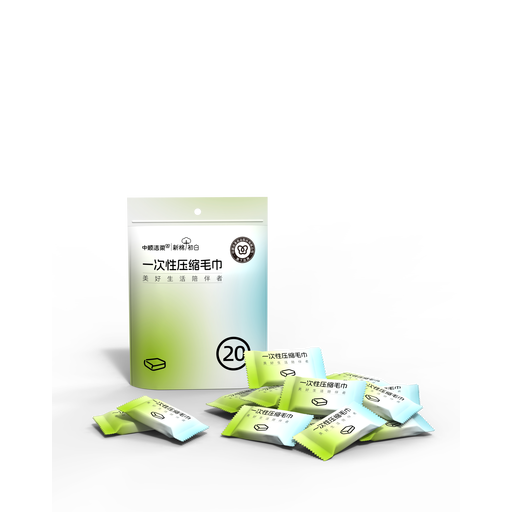
Why it suits this profile: The compact tablets fit in a sports bag, wash bag, suitcase or camping kit. Once damp, the cloth unfolds to 24 × 30 cm, according to the product description.
The product has a clearly stated size, comes in a pack of 20 and includes instructions: soak in water for a few seconds, squeeze out and use.
Plant fibres, compact storage, lint-free non-woven fabric and suitable for travel, camping and sport.
We’ve put together a complete, up-to-date list of products that meet these strict selection criteria and current European safety requirements.
Their lifespan depends on the material, how often they’re used, the type of dirt and the wash cycle. A microfibre cloth washed according to its label and cared for without fabric conditioner can be used more times than a thin disposable cloth. Replace a cloth if it frays, develops a persistent musty smell or no longer gets properly clean.
Microfibre cloths are often designed for dust, grease and smooth surfaces. Dishcloths are generally intended for kitchen tasks, such as wiping worktops or dishes. Use a separate cloth for each room and let them dry thoroughly after use.
Yes, they can be handy for hotels, camping, festivals, sport and emergencies. Just check the size, packaging and material. A compact towel tablet saves space, but needs to be unfolded with water first. An unopened 70 × 140 cm disposable bath towel offers more coverage, but will generally take up more room than a tablet.
