
Vandaag of morgen in huis

Kwaliteit gegarandeerd

Welkomstaanbiedingen ontgrendelen: GRATIS bezorging | Tot 80% korting | Gratis 30 dagen JoyPlus-proefperiode
Download de app
Microfibre cloths are great for dust, grease, moisture and fingerprints. But not every cloth is suitable for every job. A thin dishcloth might be fine for a breakfast table, but won't absorb enough for a spilled glass of water. What's more, a smooth surface can end up streaky if the cloth sheds lint or is already carrying a lot of dirt.
If you're shopping with a purpose, you shouldn't just look at colour, price or the number of cloths in the pack. The fibre structure, dimensions, absorbency and washing instructions largely determine whether cleaning cloths stay practical in everyday use.
A pack with lots of cloths might seem like good value, but small or thin cloths aren't always suitable for large surfaces. Check the dimensions and weight per cloth. For kitchen worktops and tables, sizes around 30 × 30 cm are often practical. For windows or larger surfaces, a cloth of 35 × 35 cm or bigger can be more comfortable to use.
The term 'reusable' doesn't mean a cloth keeps its properties forever. Washable cleaning cloths need to be cleaned according to the label. With microfibre, it's usually wise to avoid fabric softener and bleach, as these can affect the fibre structure. Let a cloth dry thoroughly after use and keep separate cloths for the kitchen, bathroom, toilet and car.
Some products are described as both 'reusable' and 'disposable'. With ochama kitchen rolls, the product description explains that the sheets can also be used damp, but are designed to be thrown away after use. So always check the recommended usage period and don't treat a disposable version like a regular washable cloth.
A cloth that absorbs grease well isn't automatically suitable for a screen or glass table. For delicate surfaces, use a soft, lint-free cloth and first check the care instructions for the surface. Remove coarse sand and dust before wiping over glass, varnish or plastic to help prevent scratches.
Microfibre cloths are often made from a combination of polyester and polyamide. According to the product information for the 5five set, these materials are used in the yellow, blue and grey cloths. A dry microfibre cloth can trap dust and dirt; slightly damp, it can be used for stains and grease.
Not every cloth sold as 'microfibre' has the same composition. The Parex Microfibre Comfort cloths, for example, are described in the product information as cellulose. So look at the stated material rather than just the product name.
A higher weight per square metre can indicate a denser or thicker cloth, but it's not a complete guarantee of a particular cleaning result. The set with one cloth at 260 g/m² has a higher stated density than many thin dishcloths. That can be practical for repeated use and absorbing moisture, as long as the cloth is maintained according to the washing instructions.
The ochama face towel states 65 g/m². This product is intended for personal cleansing and not as a replacement for sturdy kitchen or glass cloths. So specifications should always be considered in relation to the intended use.
For daily cleaning, cloths of 30 × 30 cm are easy to wring out and store. Larger cloths cover more surface area but can be awkward in small spaces. Also pay attention to the difference between:
Wash reusable cleaning cloths after use according to the label. For windows and mirrors, use a clean cloth and work with a steady motion, for example from top to bottom. This increases your chances of streak-free cleaning.
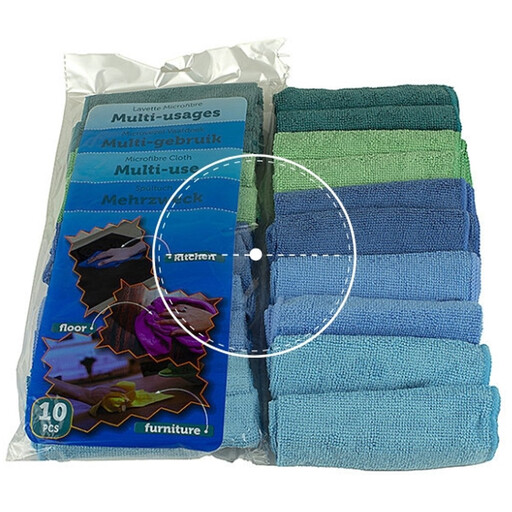
Why this fits the profile: This set contains 10 cloths of 30 × 30 cm. The different colours help you assign cloths to specific rooms or tasks.
The quantity and size are clearly stated, so you don't have to rely solely on a low unit price.
10 pieces, 30 × 30 cm and, according to the product information, washable and reusable.

Why this fits the profile: The stated density of 260 g/m² is interesting if you're looking for one sturdy cloth for the kitchen, bathroom, car and office.
The product specification lists material, size, density and washing instructions, so you can compare more effectively.
30 × 30 cm, reusable, machine washable up to 60 °C according to the product information.
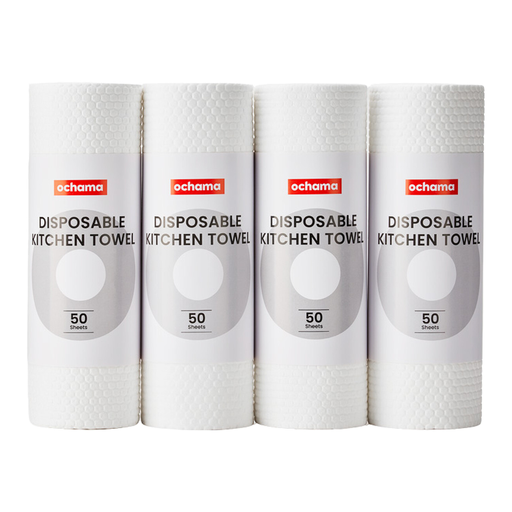
Why this fits the profile: Four rolls with 50 sheets each are practical for households that deal with lots of spills, cooking or quick cleaning every day.
The description clearly states the number of sheets, the size and both wet and dry use. Bear in mind that disposal after use is recommended.
200 sheets, thickly made according to the product description and suitable for wet and dry use.
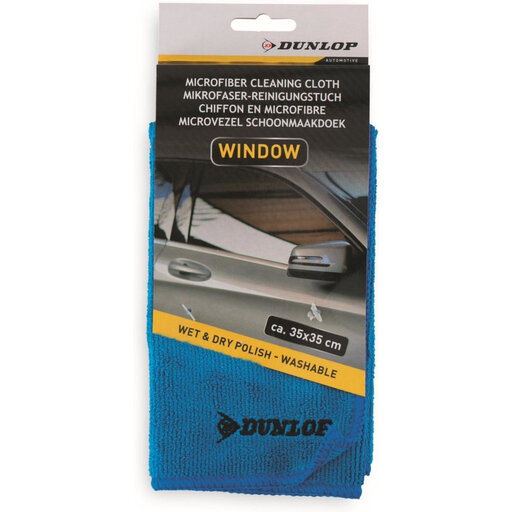
Why this fits the profile: According to the product information, this cloth is designed for glass and car windows, making it a targeted choice alongside general kitchen cloths.
The intended use is clearly defined. Rinse the cloth with warm water as per the description and remove coarse dust first.
35 × 35 cm, designed for glass and, according to the product information, reusable after rinsing.
We've put together a full, up-to-date list of products that fully meet these strict selection criteria and current European safety regulations.
You can with many reusable varieties, but always check the care label first. For different products, washing at 40 or a maximum of 60 °C is stated. Don't use fabric softener or bleach if the product information advises against it, and let the cloths dry completely before storing them.
The lifespan depends on use, soiling and maintenance. A cloth that is often used for grease, abrasive particles or harsh chemicals can wear out more quickly. Wash cloths after heavy use, check the edges and replace them when they keep releasing dirt, fray badly or absorb less moisture.
They can be suitable for this, especially on glass, mirrors and stainless steel, but the result also depends on the surface, the amount of moisture and the condition of the cloth. Remove coarse dirt first, use a clean cloth and work with even movements. This helps prevent leftover grease and dust from causing new streaks.
