
Vandaag of morgen in huis

Kwaliteit gegarandeerd

Welkomstaanbiedingen ontgrendelen: GRATIS bezorging | Tot 80% korting | Gratis 30 dagen JoyPlus-proefperiode
Download de app
Microfibre cloths may seem straightforward, but differences in material, size and washability can make a real difference to how easy they are to use every day. A cheap set may be awkwardly small, leave fluff behind or lose its shape after just a few washes. You may also need different types of cloth for windows, kitchen worktops, the bathroom and your car.
So, look out for these three common pitfalls:
Microfibre is made from very fine synthetic fibres that can absorb dust, dirt and moisture. However, not all cloths have the same structure. A product with a stated density, such as 260 g/m², gives you more information than the general term ‘microfibre’ alone.
For example, the Microfibre Cloths 30x30cm Set of 1 has a stated density of 260 g/m². This makes it easier to compare cloths for everyday use. According to the product description, the cloth is suitable for the kitchen, bathroom, car, office and delicate surfaces, among other uses.
Pay attention to the finish, too. A lint-free texture is useful for glass, mirrors and smooth furniture. Always use a clean cloth on screens and lenses, and follow the surface manufacturer’s instructions.
A size of 30 x 30 cm is versatile: large enough for a worktop, yet compact enough for smaller surfaces. For windows or your car, a 35 x 40 cm cloth may be more convenient, as you can cover more surface with each wipe.
The number of cloths in a set mainly determines how often you’ll need to wash them. A set of four or ten is handy if you want to keep cloths for different rooms separate. For example, you could use separate cleaning cloths for the kitchen and bathroom. Different colours can help prevent cross-contamination.
Always check that the number of cloths on the packaging matches the product information. Some dishcloths and cleaning cloths are available in variants with different quantities.
Absorbent cloths are useful for wet surfaces. A cloth that dries quickly also takes up less space when stored. How quickly a cloth dries depends on its material, thickness, ventilation and how much moisture is left in it.
‘Streak-free cleaning’ isn’t guaranteed on every surface. The result also depends on how much cleaning product you use, the hardness of the water and whether the cloth is clean. According to the product descriptions, several of the items below are designed for dry or damp use and leave few or no streaks when used correctly.
Washable cleaning cloths can work out cheaper than disposable ones if you care for them according to the label. According to the care instructions, the 260 g/m² cloth mentioned above can be washed at up to 60 °C, without fabric conditioner. Check the care instructions for each product.
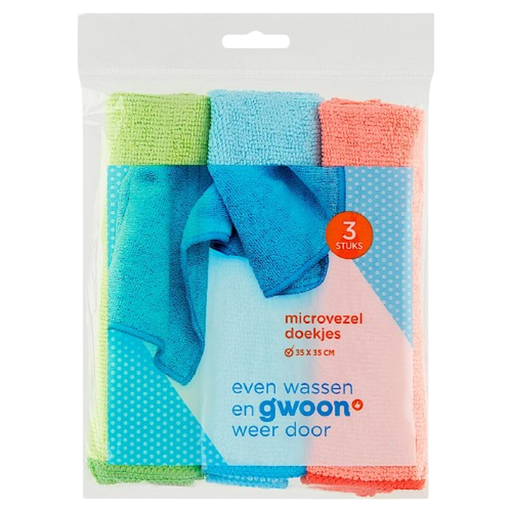
Why it suits this profile: A straightforward set of three microfibre cloths for everyday jobs in a smaller household.
The set of three is clearly stated, so you don’t have to rely on a generic product photo alone.
Set of 3; designed for different surfaces; absorbs dirt and dust according to the product description.

Why it suits this profile: A good choice if clear product specifications and versatility matter more to you than having a large number of cloths.
The stated density of 260 g/m² makes it easier to compare with cloths that don’t have a technical material specification.
Size 30 x 30 cm; machine washable at up to 60 °C according to the instructions; suitable for the home, car and office.
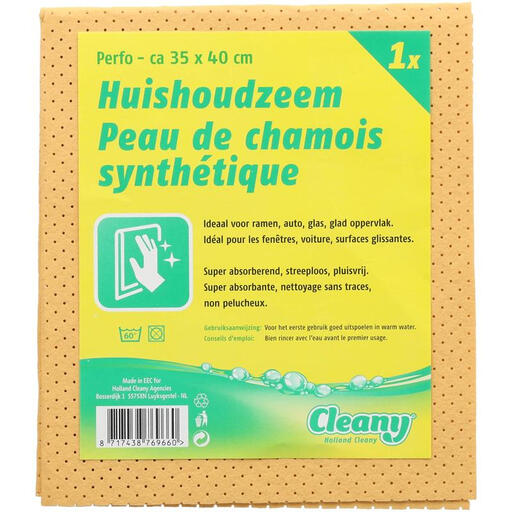
Why it suits this profile: A practical choice for windows, glass, cars and other smooth surfaces where a larger cloth comes in handy.
The 35 x 40 cm size is clearly stated and is better suited to larger surfaces than a small cloth for detail work.
One 35 x 40 cm cloth; described as absorbent and lint-free, and designed for glass and cars.
We’ve put together a complete, up-to-date list of products that meet these strict selection criteria and the applicable European safety regulations.
Ordinary microfibre cloths may not be enough for tough stains. A dishcloth, sponge or separate brush may be more suitable. Also, don’t use an abrasive cloth on delicate coatings, painted surfaces or screens without checking the care instructions first.
It depends on the material and how you use the cloths. Follow the washing label and avoid products that could damage the fibre structure. Let the cloth dry completely after use before putting it away. Heavily soiled cloths may need to be pre-soaked according to the product instructions.
Yes, several products are designed for windows, mirrors and glass according to their product descriptions. For a clear finish, it’s important to use a clean, lint-free cloth and very little cleaning product. A larger cloth, such as one measuring 35 x 40 cm, may be more convenient for large windows.
Reusable cleaning cloths can reduce the need to keep buying disposable wipes, as long as they last through several washes. So don’t just look at the price per pack: consider the number of cloths, washability, size and intended uses.
