
Vandaag of morgen in huis

Kwaliteit gegarandeerd

Welkomstaanbiedingen ontgrendelen: GRATIS bezorging | Tot 80% korting | Gratis 30 dagen JoyPlus-proefperiode
Download de app
A good set of microfibre cloths can make cleaning significantly easier. But the market is flooded with options that look identical at first glance. Many consumers fall for marketing claims and end up with cloths that leave streaks, wear out quickly, or simply don't clean well. As a Product Recommendation Officer at Joybuy, I'm here to help you make the right choices, based on facts instead of hype.
Before you make a purchase, it's important to recognise the most common problems. This will prevent you from wasting money on products that don't meet expectations.
To avoid the pitfalls above, you can look for a few objective specifications. These provide a much clearer picture of quality than the packaging suggests.
GSM (Grams per Square Metre): This number indicates the density and weight of the cloth. A higher GSM value generally means a thicker, softer, and more absorbent cloth.
The Fibre Blend (Polyester/Polyamide): Microfibre is a blend of polyester and polyamide. Polyester provides structure and scrubbing power, while polyamide is responsible for absorption and softness. A common ratio is 80/20. A higher percentage of polyamide (e.g., 70/30) usually indicates a softer and more absorbent cloth.
The Weave: The way the fibres are woven determines the cloth's function. A standard terry weave is a good all-rounder. A waffle weave is excellent for drying glass, and a very smooth, flat weave is specifically designed for streak-free cleaning of mirrors and screens.
Based on these criteria, we have selected a number of products that suit different user profiles.
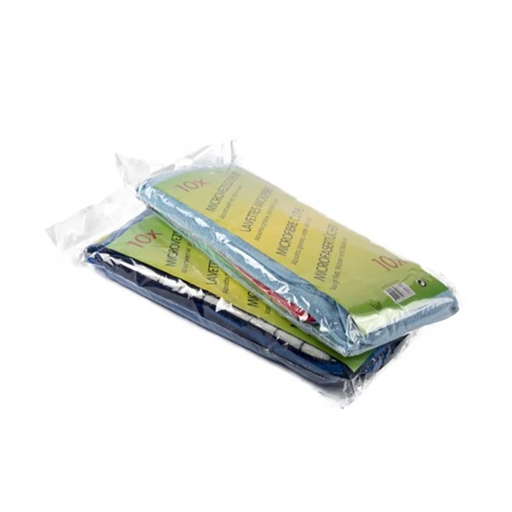
Why This Fits Their Persona: Ideal for those looking for a complete starter set without a big investment. With a 10-pack, you can use a different colour for each area (kitchen, bathroom, etc.) to prevent cross-contamination.
This set bypasses the "one-size-fits-all" myth by giving you enough cloths to specialise. You won't use a single cloth for everything, which increases the lifespan and effectiveness for each task.
High quantity for a competitive price. These reusable cleaning cloths are versatile for daily chores throughout the house.
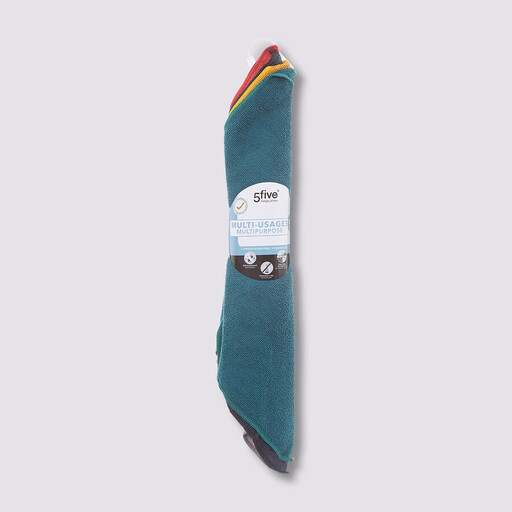
Why This Fits Their Persona: For those who clean regularly and need a larger, more robust cloth. The 38x38 cm size is perfect for larger surfaces like countertops, tables, or car bodywork.
These cloths are made from a durable blend of polyester and polyamide, designed for repeated washing. This avoids the "rapid quality loss" pitfall, ensuring you invest in a set that lasts.
Large size (38 x 38 cm) for efficient work. The set of 5 offers a good balance between quantity and quality for the demanding user.

Why This Fits Their Persona: Perfect for tasks where precision and a flawless result are crucial. Think polishing chrome, cleaning eyeglasses, or getting a streak-free finish on windows and screens.
This product directly tackles the "lint-and-streak" trap. The specified density of 260 g/m? ensures superior absorption of dirt and moisture, resulting in a lint-free and streak-free finish.
High density for superior cleaning. The soft, lint-free texture is safe for the most delicate surfaces.
We've compiled a complete, up-to-date list of products that meet these selection criteria.
Wash microfibre cloths at a low temperature (30-40°C, maximum 60°C) to protect the fibres. Never use fabric softener, as it clogs the fibres and reduces their absorbent and cleaning power. Let them air-dry or use a dryer on a low setting. Preferably, wash them separately or with other synthetic fabrics to prevent them from picking up lint from cotton.
The lifespan depends on the quality and maintenance. A good microfibre cloth can withstand hundreds of washes, which translates to several years of use. You'll know it's time to replace a cloth when it feels stiff, no longer absorbs well, or starts to leave lint behind.
Yes, absolutely. One of the great advantages of microfibre is that it cleans effectively with just water. The extremely fine fibres create a large surface area that can mechanically lift and trap dirt, grease, and dust. For stubborn grime, you can add a small amount of cleaning agent, but it's often not necessary.
