
Vandaag of morgen in huis

Kwaliteit gegarandeerd

Welkomstaanbiedingen ontgrendelen: GRATIS bezorging | Tot 80% korting | Gratis 30 dagen JoyPlus-proefperiode
Download de app
A microfibre cloth might seem like a simple product, but the differences between cleaning cloths are noticeable in practice. A cloth that works well for windows may not absorb enough moisture for the kitchen. A coarse dishcloth can leave lint or scratches on glass, screens or a car’s painted finish.
So when you’re buying one, don’t just look for words like “ultra-absorbent” or “streak-free”. Instead, check the material, dimensions, washing instructions and intended use. That way, you’ll avoid a cheap set ending up unused in the cupboard.
A general-purpose dusting cloth can be useful for furniture and worktops, but windows, mirrors and car paint need a softer texture. It’s best to use separate cloths for the kitchen, bathroom, car and glass. Using different colours makes it easier to keep these applications apart.
A product description may promise a streak-free result, but that also depends on the amount of water, the cleaning product and the condition of the surface. Coarse dust particles can cause scratches if you start rubbing straight away. So remove loose dirt first, and when cleaning glass, work from top to bottom.
Fabric softener can affect the fibre structure of a microfibre cloth. Bleach and high temperatures are also unsuitable for some products. Always check the label or product information. Some cloths can be machine-washed at 40 °C, others at up to 60 °C. Let them dry completely before storing to prevent musty odours.
Microfibre cloths are often made from a blend of polyester and polyamide. The ratio can affect softness, absorbency and dirt-trapping ability. However, not every product with “microfibre” in its name has the same composition. The Dunlop Microfiber Cloth for Glass, for example, lists 100% viscose as the material, alongside the product name “microfibre cloth”. If you’re specifically looking for a synthetic microfibre cloth, it’s worth bearing this difference in mind when comparing.
A cloth with a smooth texture is better suited to glass, mirrors and screens. A thicker or woven version can hold more moisture and is practical as a cleaning cloth for the kitchen and bathroom.
A size of around 30 × 30 cm is easy to hold and suitable for everyday use. Larger cloths are handy for windows, car doors or large worktops. Also pay attention to the pack contents:
A reusable cleaning cloth is only practical if you can clean it properly. Look at the maximum washing temperature and check whether the manufacturer advises against using fabric softener or bleach. A cloth that can go in the washing machine is easier to maintain than one that can only be rinsed by hand.
Use a clean cloth for delicate surfaces. A cloth that has previously picked up grease, sand or cleaning product can leave streaks or cause fine scratches.
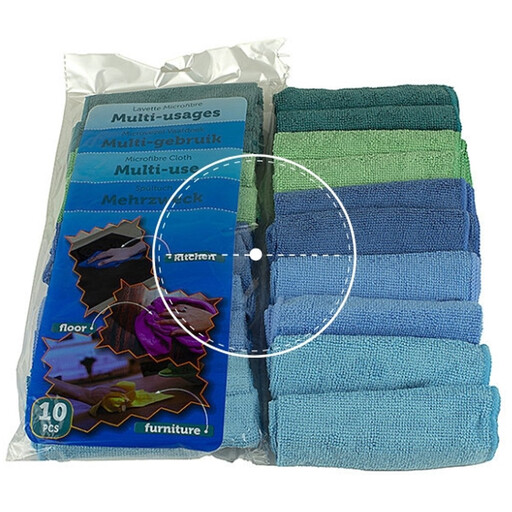
Why this fits the profile: The set contains 10 microfibre cloths measuring 30 × 30 cm. Different colours make it easy to keep kitchen, bathroom and furniture cloths separate.
The quantity means you don’t have to use the same cloth for every room. Wash the cloths according to the pack instructions and use a clean one for glass.
10 cloths, size 30 × 30 cm, washable and, according to the product information, suitable for dust, dirt and stains.

Why this fits the profile: The stated density of 260 g/m² provides a concrete point of comparison for anyone who pays attention to material specifications and wants a single cloth for multiple smooth surfaces.
The product details mention the material, size and washing instructions. This means you don’t have to rely solely on general marketing terms.
260 g/m², 30 × 30 cm, machine washable up to 60 °C according to the product information, and intended for use on glass, screens and stainless steel, among other surfaces.
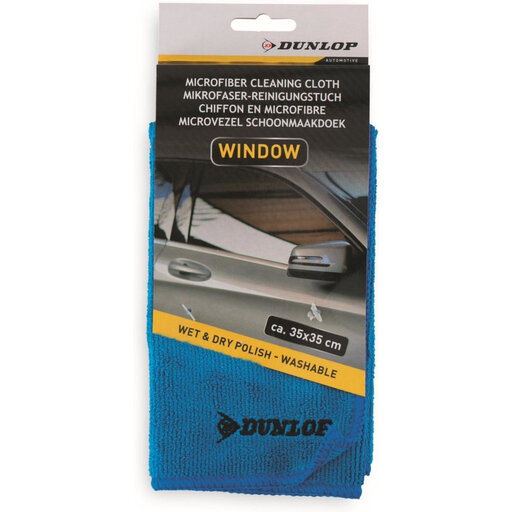
Why this fits the profile: According to the product description, this cloth is designed for glass and car windows. The 35 × 35 cm size offers plenty of surface area for car interiors, windows and other smooth parts.
The intended use is clearly defined for glass. This helps prevent you from using a general dishcloth with grease residue on car windows.
We’ve put together a full, up-to-date list of products that fully meet these strict selection criteria and comply with current European safety regulations.
Yes. A dry cloth is suitable for dust. For grease or dried-on dirt, you can dampen the cloth slightly. Whether you need cleaning product depends on the surface and the type of dirt.
Wash a cloth as soon as it becomes visibly dirty, greasy or musty. With daily use, this could be after one or several cleaning sessions. Follow the maximum temperature on the label and do not use fabric softener if the product information advises against it.
Choose a smooth, lint-free glass cloth in a suitable size, for example around 30 × 30 or 35 × 35 cm. First remove sand and dust, and for windows, preferably use a cloth that hasn’t been used for kitchen or car grease before.
