
Vandaag of morgen in huis

Kwaliteit gegarandeerd

Welkomstaanbiedingen ontgrendelen: GRATIS bezorging | Tot 80% korting | Gratis 30 dagen JoyPlus-proefperiode
Download de app
The cleaning supplies aisle can be overwhelming. Packs of microfiber cloths are everywhere, each more colourful than the last. But not all cloths are created equal. Many people fall into the trap of a budget-friendly multipack, only to discover that the cloths leave streaks, start to lint quickly, or barely absorb any water. Before you buy another set that ends up as an unused pile in your utility closet, it's helpful to know what to look for.
There are a few common pitfalls:
dusting cloth is unsuitable as a drying towel for your car, and a coarse polishing cloth is guaranteed to leave streaks on glass.lint-free cloth is a common claim, but low-quality fibres and poor finishing cause cloths to shed fibres onto your clean surfaces after just a few washes.To avoid a bad buy, it's useful to check three core specifications. These determine the effectiveness of the cleaning cloths for your specific task.
The GSM value indicates the density and weight of the microfiber. This is a direct indicator of its thickness and absorbency.
dusting cloth or for cleaning eyeglasses and screens.cleaning cloths for general household use, such as wiping down countertops or the bathroom. A good microfiber dishcloth often falls into this category.car drying towel) or soaking up spills.The way the fibres are woven determines the cloth's function.
streak-free cleaning and makes it a perfect glass cloth.polishing cloth is often used for the finishing touch.Microfiber is a blend of polyester and polyamide. The ratio affects the softness and absorbency. A common blend is 80% polyester and 20% polyamide. The polyamide provides softness and absorbency, while polyester delivers structure and scrubbing power. For a high-quality, lint-free cloth, a higher proportion of polyamide (20% or 30%) is often a good sign.
Based on these objective criteria, we have selected a number of products that suit specific needs and budgets.
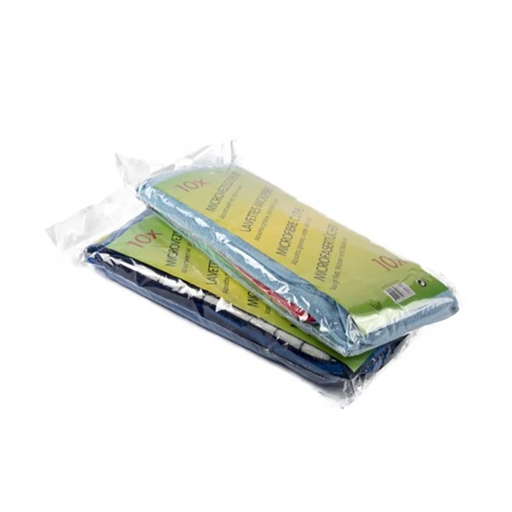
Why This Fits Their Persona: For those seeking a practical and affordable solution for daily cleaning. This set provides enough cloths for the kitchen, bathroom, and general dusting jobs, without needing to purchase a separate, expensive cloth for each task.
This set bypasses the pitfall of overly expensive, specialised cloths. It's a no-nonsense `cleaning cloth set` that provides a solid foundation for most household tasks.
A 10-pack ensures you always have a clean cloth on hand. The cloths are washable and therefore `reusable cleaning cloths`, which is better for your wallet and the environment.
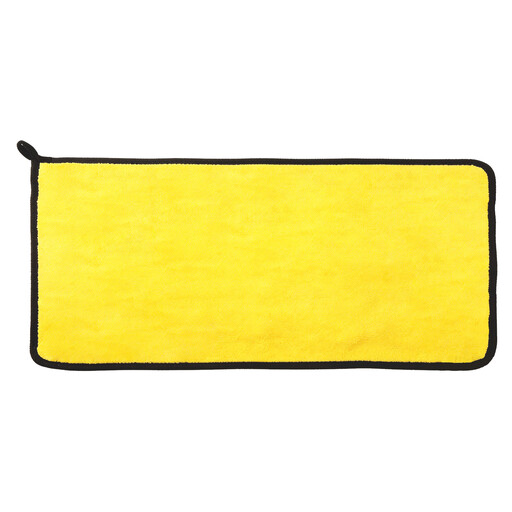
Why This Fits Their Persona: Specifically designed for car care. The high density and soft fibres are crucial for those who take their car's paintwork seriously and want to prevent scratches or water spots after washing.
This product tackles the problem of thin, generic cloths that don't absorb enough water and can damage the paint. The clear mention of 600GSM is an objective quality indicator.
Extremely high absorbency, making it an effective `car drying towel`. Its dual-sided structure makes it versatile for both drying and buffing off wax.
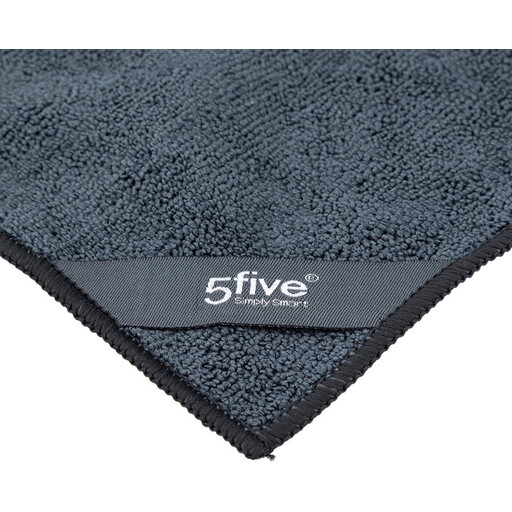
Why This Fits Their Persona: Ideal for anyone bothered by streaks on windows, mirrors, and stainless steel appliances. According to the manufacturer, this set is specifically designed for smooth surfaces, making it a strong candidate for the role of a `glass cloth`.
This product counters the "one-size-fits-all" myth by offering a targeted solution for a common and frustrating problem: `streak-free cleaning`.
According to the product information, the set is designed for a lint-free result. The different colours help to distinguish cloths for different areas (e.g., kitchen, bathroom).
We have compiled a complete, up-to-date list of products that meet these selection criteria and current regulations.
To maximise the lifespan and effectiveness of your reusable cleaning cloths, it's best to wash them at a low to moderate temperature (30-40°C / 85-105°F). Never use fabric softener, as it clogs the fibres and reduces absorbency. Preferably, wash them separately or with other synthetic fabrics to prevent cotton lint from clinging to the microfibers. Let them air dry.
Streaks are usually caused by three things:
While you can, it's not recommended. To prevent cross-contamination, it's wise to use different coloured cloths for different areas. A microfiber dishcloth for the kitchen should not be used for the toilet. Moreover, as discussed earlier, a specialised cloth like a glass cloth or car cloth will deliver a much better result for that specific task.
