
Vandaag of morgen in huis

Kwaliteit gegarandeerd

Welkomstaanbiedingen ontgrendelen: GRATIS bezorging | Tot 80% korting | Gratis 30 dagen JoyPlus-proefperiode
Download de app
By Joybuy Product Recommendation Officer | July 28, 2026
Buying a new stack of microfiber cloths can feel like a fresh start for your cleaning routine. But the disappointment is immense when they fall apart after a single wash, leave lint on your glossy surfaces, or just smear grease around. The market for cleaning cloths is full of pitfalls. Before you toss another value pack into your cart, it's wise to know what to look for.
Many consumers fall for the same traps:
By understanding a few key specifications, you can avoid a bad purchase and choose cloths that actually deliver on their promises.
Not all microfiber cloths are created equal. The difference lies in the details that determine how well and how long a cloth performs. Pay attention to the following three points.
Most microfiber cloths consist of a blend of polyester and polyamide. The ratio is important:
The weave is just as important. For instance, a waffle weave is ideal for glass because it traps moisture and dirt effectively without leaving streaks. A thicker, plush weave is better suited for use as dusting cloths.
The GSM value indicates the density and weight of the cloth. A higher GSM means a thicker, softer, and more absorbent cloth.
A higher GSM is often an indicator of better quality and a longer lifespan, making them excellent reusable cleaning cloths.
The edge of a cloth can cause scratches on delicate surfaces like car paint or high-gloss furniture. A cloth with a soft, stitched edge or an edgeless (ultrasonically cut) finish is a safer choice for scratch-sensitive materials. For general cleaning cloths around the house, a standard stitched edge is usually sufficient.
To help you choose, we've highlighted a few products that suit different needs and budgets.
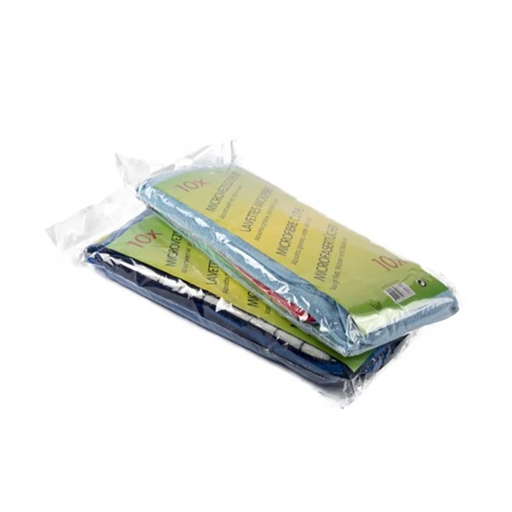
Why This Fits Their Persona: Ideal for those looking for a basic stock for general household cleaning. This value pack provides enough cloths for the kitchen, bathroom, and other surfaces without a major investment.
This product is presented as a versatile set, not a specialist cloth. It bypasses the "one-size-fits-all" trap by being honest about its broad applicability for everyday chores.
Affordable 10-pack, reusable and durable for daily use. Suitable for both dry and wet cleaning.
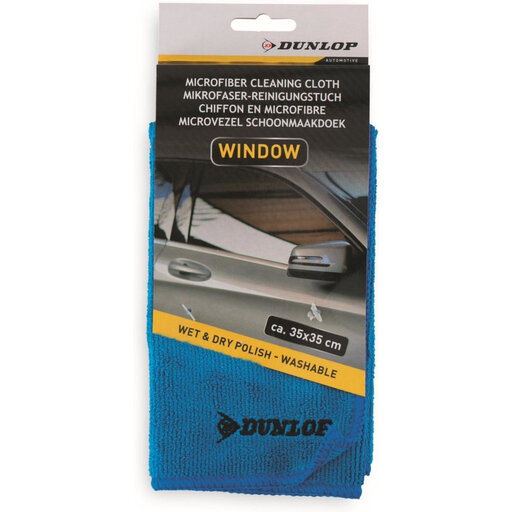
Why This Fits Their Persona: For those who want to get their car windows and mirrors perfectly streak-free and grease-free. This cloth is specifically designed for glass and other smooth, delicate vehicle surfaces.
This is a specialist product. It avoids the trap of false promises by focusing on a single task: cleaning glass. Its special texture is designed for a streak-free result, something a general-purpose cloth cannot guarantee.
Specifically designed for glass and car windows. The texture provides a better cleaning result and leaves windows grease-free.
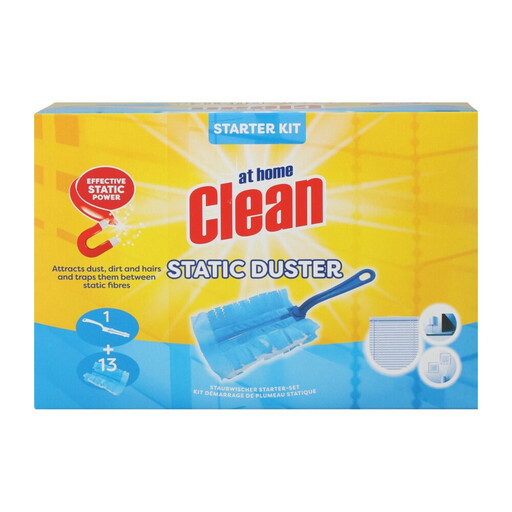
Why This Fits Their Persona: Perfect for those who want to remove dust quickly and effectively, especially in hard-to-reach places. The handle makes it easy to get under furniture, along baseboards, and into crevices.
This is not a standard cleaning cloth, but a specialised system for dusting. It tackles the specific challenge of trapping dust, rather than claiming it's also suitable for wet cleaning tasks.
Lightweight and maneuverable design. Effortlessly removes dust and dirt, even in tricky spots. The kit includes a handle and 13 refills.
We have compiled a complete, up-to-date list of products that meet these selection criteria and comply with current regulations.
To maximise the lifespan and effectiveness of your reusable cleaning cloths, it's best to wash them separately or with similar synthetic fabrics. Use a normal wash cycle at a maximum of 60°C. Most importantly, never use fabric softener. Fabric softener clogs the fibers, causing the cloth to lose its absorbency and cleaning power. Air-dry the cloths for the best results.
While it's tempting, it's not recommended. To prevent cross-contamination, it's wise to use a color-coding system. For example, use blue cloths for glass, yellow dishcloths for the kitchen, and another color for the bathroom. This helps maintain hygiene and ensures you use the most suitable cloth for each task.
Streaks are a common problem and can have several causes. The most common are:
