
Vandaag of morgen in huis

Kwaliteit gegarandeerd

Welkomstaanbiedingen ontgrendelen: GRATIS bezorging | Tot 80% korting | Gratis 30 dagen JoyPlus-proefperiode
Download de app
Greasy fingerprints on the glass door, a stubborn haze on your car's windshield, or that layer of dust that seems to reappear instantly. Cleaning can sometimes feel like a never-ending chore. However, the right tools make all the difference. A good microfiber cloth can simplify the task significantly, but with so many choices, it's hard to know which one you need.
My name is Joybuy, and as a Product Recommendation Officer at Joybuy, I'm here to help guide you. In this article, we'll explore what to look for when purchasing microfiber cloths and highlight some practical options for various cleaning jobs in and around your home.
Not all cleaning cloths are created equal. Their effectiveness depends on the material, texture, and intended application. Here are a few key points to consider to make the right choice.
The texture of a cloth determines how well it picks up dirt and moisture.
glass cloth. The fine, flat texture is designed to absorb water and grease without leaving behind fibers or streaks, which is essential for streak-free cleaning.cleaning cloths or as an automotive cloth for drying your car's paintwork.scrubbing sponge or a cloth with an abrasive side offers a solution, for instance, for caked-on food residue in the kitchen.The quality and durability of a microfiber cloth are often expressed in grams per square meter (GSM). A higher density, such as 260 GSM or more, typically means the cloth has more fibers. This results in greater absorbency and a longer lifespan. For lighter tasks like dusting, a lower density is sufficient, while a high-density cloth performs better for drying a car.
Consider the specific task at hand. Will you be using the cloth for washing dishes, cleaning windows, polishing your car's interior, or removing limescale in the bathroom? By choosing a cloth designed for a specific application, you'll achieve better and faster results. Using a color-coded system for different areas (e.g., blue for glass, green for the kitchen) can also help prevent cross-contamination.
Based on product specifications and potential applications, we have curated a selection of cloths that excel at their specific tasks.

Why This Product Stands Out This cloth from Dunlop is specifically designed for glass and car windows. According to the manufacturer, its special 100% viscose structure delivers a superior cleaning result. The material is engineered for grease-free and streak-free cleaning of smooth surfaces.
Key Features
Who Is This Product For? This is an ideal choice for car owners and homeowners looking for a reliable glass cloth to finally get rid of those annoying streaks and that greasy haze.
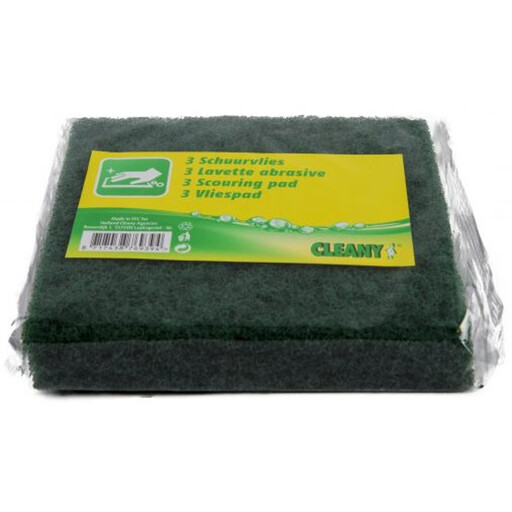
Why This Product Stands Out This is not a traditional microfiber cloth, but a scrubbing pad made of non-woven material. It's designed for the tougher jobs where a soft cloth falls short. The set of three is practical for tackling stubborn grime.
Key Features
Who Is This Product For? For anyone seeking a powerful solution for scrubbing pans, grills, or other surfaces with caked-on dirt. This is the perfect addition to your collection of cleaning cloths for the really tough jobs.

Why This Product Stands Out This cloth is a versatile all-rounder. With a density of 260 GSM, it offers a great balance between softness and cleaning power. The high density of the microfibers ensures that dust, dirt, and grease are trapped efficiently.
Key Features
Who Is This Product For? This is an excellent choice for anyone looking for a reliable, multipurpose cleaning cloth for daily cleaning tasks in the kitchen, bathroom, car, or office.
Every cleaning job is different, and sometimes you need a specific size, thickness, or a dedicated automotive cloth. If the perfect cloth for your task isn't listed here, explore our full collection for a wider overview of various cleaning textiles.
Explore More Chiffon and Cleaning Cloths
1. How do I wash microfiber cloths correctly? For a long lifespan, wash microfiber cloths in the washing machine at a temperature up to 60°C (140°F). Never use fabric softener, as it clogs the fibers and reduces their absorbency. Allow the cloths to air-dry or use a dryer on a low-heat setting.
2. Can I use microfiber cloths for everything? While they are highly versatile, specialized cloths perform better for specific tasks. A glass cloth with a smooth texture is the best choice for streak-free cleaning of windows, whereas a scrubbing pad is necessary for caked-on grime. It is recommended to have different types of cloths for optimal results.
3. Why are my microfiber cloths leaving streaks? If a cloth is leaving streaks, there could be several reasons. The cloth might be saturated with dirt, or there could be residue from detergent or fabric softener trapped in the fibers. Another reason is that the cloth is too wet. Try rinsing the cloth thoroughly with clean water or washing it according to the instructions without fabric softener. If the cloth is old and worn out, it may be time for a replacement.
