
Vandaag of morgen in huis

Kwaliteit gegarandeerd

Welkomstaanbiedingen ontgrendelen: GRATIS bezorging | Tot 80% korting | Gratis 30 dagen JoyPlus-proefperiode
Download de app
Greasy fingerprints on the windows, a layer of dust on the dashboard, or streaks on the mirror after cleaning. These are minor annoyances that can spoil the results of your cleaning efforts. A good microfiber cloth can be the difference between a superficial wipe-down and a deep, streak-free clean. But with so many different types on the market, how do you choose the right one?
As a Joybuy Product Recommendation Officer, I'm here to help you make the right choices. In this article, we'll explain what to look for when purchasing a microfiber cloth and provide some concrete recommendations for various tasks, from your car's interior to the windows in your home.
Not every cleaning cloth is created equal. Its effectiveness depends on the material, weave, and the task you intend to use it for. Here are a few practical points to consider.
The way the fibers are woven determines which surface the cloth is best suited for.
streak-free cleaning of smooth surfaces. Think of a glass cloth for windows, mirrors, and stainless steel. The fine structure absorbs water and dirt without leaving behind lint or streaks.automotive cloth is also gentle enough for delicate paintwork.cleaning cloth, featuring shorter, dense fibers. It's versatile and suitable for general cleaning tasks, like wiping down countertops or cleaning car interiors.Most microfiber cloths are made from a blend of polyester and polyamide. Polyester provides scrubbing power, while polyamide is responsible for absorption. Another option is viscose, a material known for its high absorbency and softness, making it highly suitable for glass. Choose a cloth based on the specific task to achieve the best results.
A major advantage of microfiber is its reusability. To preserve its unique properties, it's best to wash the cloths without fabric softener. Fabric softener clogs the microscopic fibers, causing the cloth to lose its absorbent and cleaning power. Let them air-dry instead of putting them in the dryer to keep the fibers in good condition.
Based on product specifications and potential applications, we have made a selection for various cleaning jobs.

Why It Stands Out: According to the manufacturer, this Dunlop cloth is specially designed for cleaning glass and car windows. The material, 100% viscose, is known for its excellent absorbency, which is essential for a streak-free finish.
Advantages:
Who Is This For? For anyone who struggles with streaks on windows, mirrors, or their car's windshield. If your goal is streak-free cleaning, a specialized glass cloth like this is a logical choice.
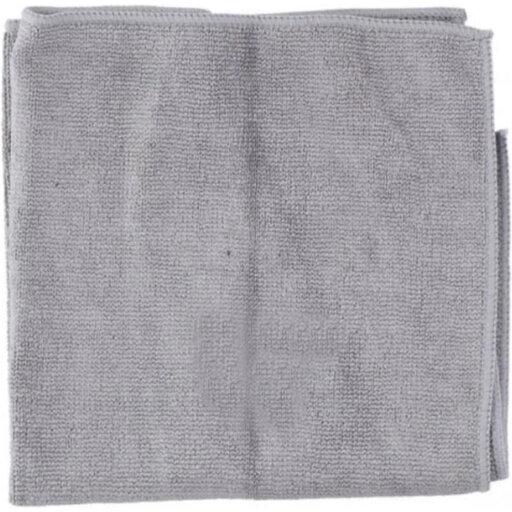
Why It Stands Out: This cleaning cloth is specifically aimed at cleaning delicate surfaces. The product information mentions a composition of microfiber and leather, suggesting it is designed to be safe and effective on leather upholstery.
Advantages:
cleaning car interiors.Who Is This For? Car owners with a leather interior or homeowners with leather furniture. This cloth is a great option for those looking for a specific solution to maintain leather without causing damage.

Why It Stands Out: This set from 5five offers versatility. According to the manufacturer JJA, the cloth acts as a dust magnet when dry and removes dirt and grease when wet. The set includes three microfiber cloths that can be used for various tasks in and around the house.
Advantages:
Who Is This For? For households looking for a practical all-in-one solution. With this set, you immediately have a cleaning cloth for dusting, one for the kitchen, and one for smooth surfaces like glass or stainless steel.
The right microfiber cloth depends entirely on your specific cleaning job. Are you looking for a different size, a specific color to separate cleaning tasks, or an automotive cloth with an even higher pile?
Check out our full range of cleaning cloths for more options.
Wash microfiber cloths in the washing machine at a temperature of 40°C to 60°C. Use a small amount of detergent, but never add fabric softener or bleach. These products clog the fibers and reduce their effectiveness. Air-dry the cloths for the best results.
The effectiveness of a microfiber cloth comes from its extremely fine fibers, which are much thinner than a human hair. These fibers create a large surface area that can trap and hold dirt, grease, and moisture instead of just pushing it around. Because the cloth absorbs liquid so well, less water is left on the surface, which minimizes the chance of streaks.
Microfiber cloths are very versatile and safe for most surfaces, including glass, wood, stainless steel, and car paint. However, be cautious on very rough surfaces (like unfinished wood or brick), as these can damage the fine fibers. It is also good practice to use separate cloths for different areas, such as the kitchen, bathroom, and car, to prevent cross-contamination.
