
Vandaag of morgen in huis

Kwaliteit gegarandeerd

Welkomstaanbiedingen ontgrendelen: GRATIS bezorging | Tot 80% korting | Gratis 30 dagen JoyPlus-proefperiode
Download de app
As a Product Recommendation Officer at Joybuy, I see people getting overwhelmed by choice every day. Especially with a product like microfiber cloths. The shelves are packed, the promises are big, but the results are often disappointing. A cloth that falls apart after two washes or one that just smears dirt around is a waste of your money and time.
Before you make a purchase, it's wise to know the most common pitfalls. Much of the marketing focuses on claims that don't hold up in practice.
To avoid a bad buy, it's helpful to pay attention to a few objective characteristics. These specifications tell you more than the marketing on the packaging.
A standard microfiber cloth usually consists of a blend of polyester and polyamide. Polyester is great for scrubbing and loosening dirt, while polyamide provides absorption. The weave is just as important:
Additionally, there are cloths made from other materials, like viscose, known for their high absorbency. Some cloths aren't even meant for surfaces but for specific household tasks, like dryer sheets that soften and freshen your laundry.
A technical but useful specification is the GSM (grams per square meter) value. This number indicates the fabric's density. A higher GSM value means more fibers, which results in better absorption, more effective cleaning, and a longer lifespan. For general use, a cloth with a value around 260 g/m?, like some high-quality cloths, is a solid choice. Cloths with a lower density are often thinner and less durable.
Good reusable cleaning cloths are an investment that pays for itself. They should be able to withstand dozens of washes without losing their effectiveness. Pay attention to the washing instructions: wash microfiber cloths without fabric softener. Fabric softener clogs the fine fibers, preventing them from absorbing dirt and moisture and causing them to leave streaks.
To help you choose, we've matched several products to specific user profiles. These aren't "winners," but practical recommendations based on their specifications and intended use.
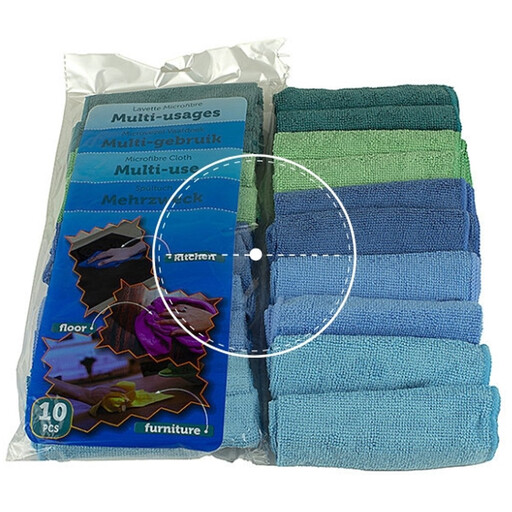
Why This Fits Their Persona: This user is looking for a practical and affordable solution for daily cleaning. A set of ten cloths in different colors is ideal for keeping different areas (kitchen, bathroom) separate and preventing cross-contamination.
This isn't a flimsy, disposable cloth. The set provides washable and reusable cloths that bypass the "one-cloth-for-everything" pitfall by encouraging color-coding for specific tasks.
Bulk pack of 10. The different colors make a hygienic cleaning system easy to implement.
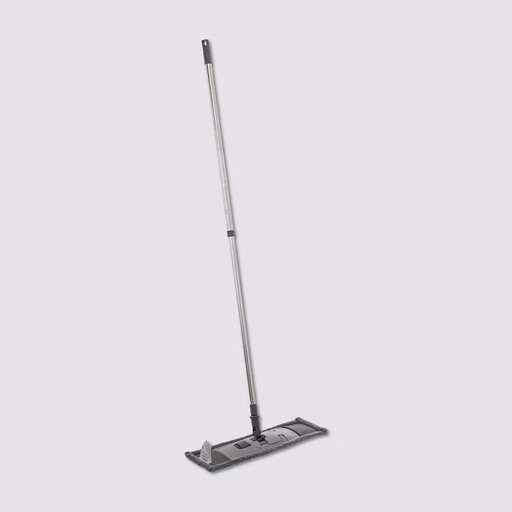
Why This Fits Their Persona: For those seeking an efficient solution for cleaning hard floors like wood, laminate, or PVC. This isn't just a loose cloth, but a complete system with a telescopic handle for an ergonomic working posture.
This product is specifically designed for floors. It's not a small, general-purpose cloth unsuitable for a large surface area. It's a targeted solution that shatters the "one-cloth-for-everything" myth.
Adjustable telescopic handle for comfort. The removable microfiber cloth is machine washable, making it a sustainable choice.
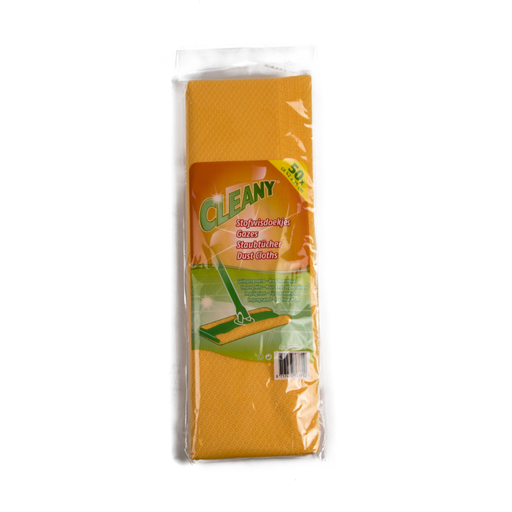
Why This Fits Their Persona: Ideal for quickly and hygienically removing dust, hair, and allergens from hard floors. These single-use, static dusting cloths offer maximum convenience, especially in households with pets or allergies.
This product doesn't pretend to be a reusable miracle. It's honest about its function: a disposable cloth that electrostatically attracts and traps dust. No false promises about durability, but a clear focus on hygiene.
Bulk pack of 50. The cloths are impregnated for better dust pickup and fit most standard floor sweepers.
For a hygienic result, it's recommended to rinse cleaning cloths after each use and wash them daily or after a major cleaning session. A high-quality microfiber cloth can be washed hundreds of times. Replace the cloth when it feels thin, no longer picks up dirt, or has a permanent musty smell, even after washing.
Yes, one of the major advantages of microfiber is that its fine fibers can mechanically remove dirt and bacteria using only water. The fibers split and hook onto dirt particles. For greasy messes or disinfection, a mild cleaning agent may be necessary, but for daily dusting and light soil, water is often sufficient.
Streaks are usually caused by three things:
