
Vandaag of morgen in huis

Kwaliteit gegarandeerd

Welkomstaanbiedingen ontgrendelen: GRATIS bezorging | Tot 80% korting | Gratis 30 dagen JoyPlus-proefperiode
Download de app
As a Joybuy Product Recommendation Officer, I see people struggle daily to choose the right cleaning cloths. The market is flooded with options, and it's easy to get lost in marketing promises. The wrong choice not only leads to frustration and streaks but also to unnecessary spending. Let's review the most common pitfalls so you can make an informed decision.
Pitfall 1: The "one-size-fits-all" myth. Many brands promote their microfiber cloths as an all-in-one solution for everything from the bathroom to the car. In reality, a quality glass cloth requires a different texture than an absorbent dishcloth. This often results in disappointing outcomes, like streaks on your windows.
Pitfall 2: Misleading Durability. The term "reusable" isn't a protected claim. Cheap cloths often lose their texture and cleaning power after just a few washes. This ends up costing you more in the long run, as you have to replace them sooner. Genuinely reusable cleaning cloths maintain their quality, wash after wash.
To avoid a bad purchase, it's helpful to pay attention to a few technical features. These specifications tell you more than the packaging ever will.
Not all cloths are created equal. The composition and weave determine the cloth's function:
The density, expressed in GSM, is an indicator of quality and durability.
Choose a cloth that fits the task. A special car cloth is often larger and thicker for drying large surfaces, while a dusting cloth should be light and static to attract dust. Furthermore, using different colored cloths for the kitchen and bathroom, for example, helps you clean more hygienically.
Based on these criteria, we have selected a few products that suit different needs and budgets.
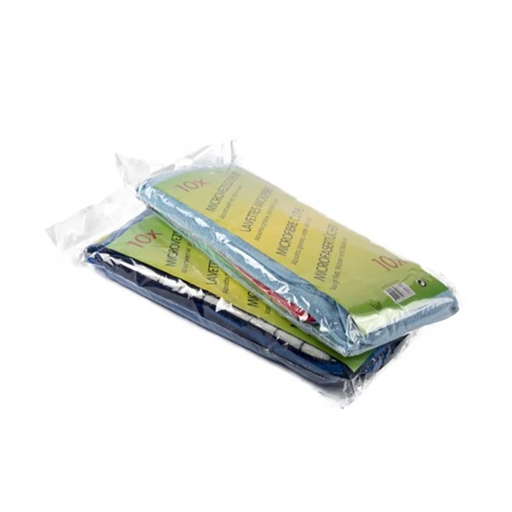
Why This Fits Their Persona: Ideal for anyone looking for a complete and affordable starter kit. With ten pieces, you can immediately tackle various cleaning jobs in and around the house, from the kitchen to the furniture.
This set bypasses the "one-size-fits-all" pitfall by providing a generous quantity of cloths. This allows you to assign specific cloths to different rooms or tasks, which is more hygienic and effective.
The bulk pack of 10 offers excellent value for money. The cloths are washable and reusable, making them a sustainable choice compared to disposable wipes.
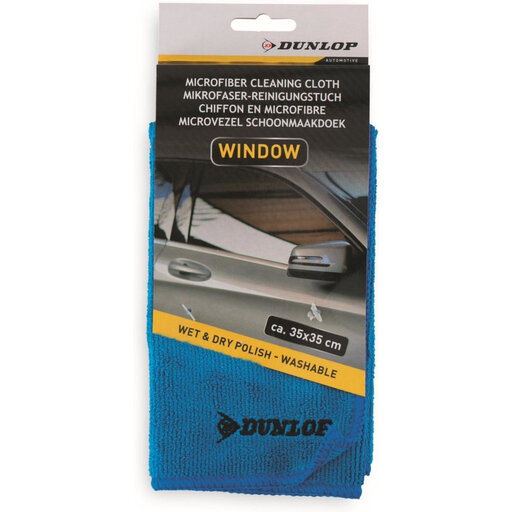
Why This Fits Their Persona: Perfect for those who demand a flawless, streak-free finish on glass, mirrors, and car windows. This user seeks a tool specifically designed for one task and excels at it.
This is not a generic cloth. The product description highlights its "special texture for glass surfaces" and 100% viscose material, directly countering the pitfall of a universal cloth that performs mediocrely everywhere.
Specifically designed for a streak-free result on glass. The material and texture are optimized to remove grease and dirt without leaving lint behind.

Why This Fits Their Persona: This user prefers to invest in quality that lasts. Durability and effectiveness are more important than the lowest price. A cloth that does its job well and withstands hundreds of washes fits this philosophy perfectly.
This product focuses on an objective quality metric: the high density of 260 g/m?. This is a clear indicator of durability and absorbency, avoiding the pitfall of a cheap, thin cloth that wears out quickly.
The high density ensures superior cleaning performance and a long lifespan. The cloth is machine washable and can be used time and time again, making it a cost-effective and eco-friendly choice.
We have compiled a complete, up-to-date list of products that meet these selection criteria.
For maximum lifespan and effectiveness, wash microfiber cloths in the washing machine at a temperature up to 60°C. Use no fabric softener, as this clogs the fibers and reduces their absorbency. Allow the cloths to air-dry instead of putting them in the dryer.
Streaks on glass can have several causes. You might be using a cloth with a texture that is too coarse, applying too much cleaning solution, or the cloth itself may not be clean. Fabric softener residue can also be a culprit. For a guaranteed streak-free result, use a special, clean glass cloth and only dampen it slightly with water.
The lifespan depends heavily on the quality and frequency of use. A high-quality cloth can last for hundreds of washes. You'll know it's time to replace a cloth when it feels stiff, no longer absorbs well, or seems to spread dirt around instead of picking it up.
