
Vandaag of morgen in huis

Kwaliteit gegarandeerd

Welkomstaanbiedingen ontgrendelen: GRATIS bezorging | Tot 80% korting | Gratis 30 dagen JoyPlus-proefperiode
Download de app
Micellar water is popular because it removes make-up, SPF, dirt and excess sebum without requiring an elaborate cleansing routine. However, cleansing waters vary considerably in their ingredients, use and suitability for different skin types. A product that feels comfortable on normal skin may leave dry or sensitive skin feeling tight.
As a Joybuy Product Recommendation Officer, I focus mainly on verifiable information: the ingredients list, usage instructions, volume and claims in the product description. This helps you avoid paying simply for attractive packaging or promises of a “fresh glow”.
A cleansing water may be described as mild while still containing perfume, essential oils or fragrance ingredients. If you have sensitive skin, it is therefore wise to check the ingredients list. You may want to look for a fragrance-free cleanser and choose a formula that has also been tested for use around the eyes.
Product claims such as “hypoallergenic”, “soothing” or “suitable for sensitive skin” do not guarantee that everyone will tolerate the product without problems. According to the brand’s own research, certain properties may have been clinically tested, but individual tolerance can vary.
Not every micellar water removes waterproof mascara or long-lasting foundation equally easily. A simple, watery formula may require more cotton pads and rubbing, particularly around the eyes.
For removing waterproof make-up, two-phase formulas or products containing oil-based solvents are often more practical. One example is Bifesta Micellar Water Eye & Lip Makeup Remover, which, according to the product description, should be shaken first to mix the two phases. Hold the cotton pad over the eye for a few seconds before gently wiping.
Many micellar waters are designed to be used without rinsing. However, this is not true of every product called “cleansing water”. According to the product information, CBL Snowflake Foam Cleansing Water should be rubbed between the hands to create a foam and then rinsed off with water. It is therefore more of a foaming facial cleanser than a classic micellar cleansing water.
Always check the usage instructions on the packaging. This helps you avoid buying a product for a quick routine when rinsing is actually required.
First, consider your own skin’s needs:
Ingredients are listed in descending order of concentration. An ingredient near the top of the list is generally present in a greater amount than one near the bottom.
If you use SPF or waterproof make-up every day, it is worth choosing a product whose description explicitly mentions this use. Micelles help bind dirt and make-up to the cotton pad, but practical performance also depends on how much product you use and how you apply it.
Use enough micellar water, press the cotton pad against the skin briefly and wipe without scrubbing hard. For eye make-up, a separate eye and lip make-up remover may be more convenient.
A 400 ml bottle is practical if you cleanse every day. A 145 or 200 ml pack is easier to take with you or try first. Also check:
A product containing 97% recycled PET, as stated in the product description for some NIVEA formulas in this selection, may be relevant if packaging materials are also important to you. Check the current packaging for the exact specification.
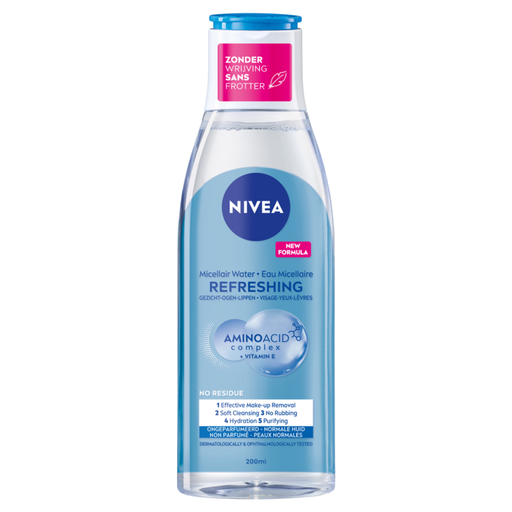
Why it suits this profile: A straightforward option for daily cleansing of normal skin, in a compact size that is ideal for a first purchase.
The product description explicitly states that it is fragrance-free, requires no rinsing and is suitable for the face and eyes.
200 ml, amino acids, glycerine, panthenol and vitamin E; according to the product description, it is also intended for waterproof make-up.
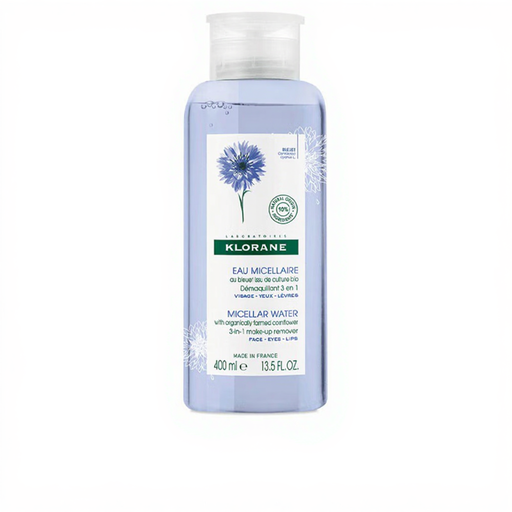
Why it suits this profile: For anyone looking for one product for the face, eyes and lips who values a simple 3-in-1 routine.
The product description states that it cleanses without rinsing and contains a formula for sensitive eyes, including for contact lens wearers.
400 ml, organic cornflower water according to the product description, and a dispenser that delivers a measured amount.
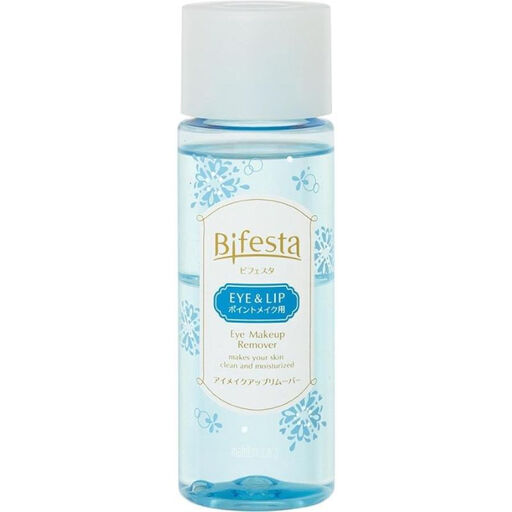
Why it suits this profile: Designed for people who often wear waterproof eye and lip make-up and want a separate remover for it.
The two-phase formula should be shaken and held briefly against the eye, reducing the need for vigorous rubbing.
145 ml, specifically for the eyes and lips; according to the product description, suitable for waterproof and long-lasting make-up.
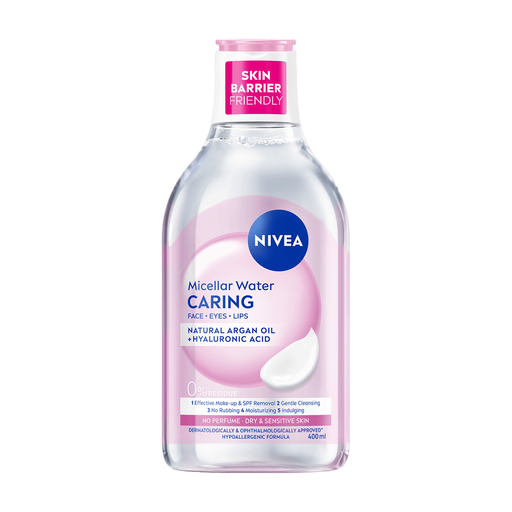
Why it suits this profile: An option for anyone who mainly wants their skin to feel comfortable after cleansing and who removes SPF or make-up daily.
The product description states that it has a fragrance-free formula, requires no rinsing and can be used on closed eyes.
400 ml, glycerine, argan oil, sodium hyaluronate and amino acids; the label states that 95% of the ingredients are of natural origin.
We have compiled a complete, up-to-date list of products that fully meet these strict selection criteria and the applicable European safety regulations.
If you wear a lot of make-up or SPF, or have oily skin, you may benefit from a second cleansing step. Micellar water can be your first make-up remover; a mild facial cleanser can then remove any remaining residue.
That depends on the formula and how your skin reacts. According to their product descriptions, many products in this selection are intended for daily use. If your skin feels tight, becomes red or stings, use less product, rinse afterwards if the label permits it, or choose a different formula.
Not always. NIVEA, Klorane and Bifesta state that their named products can be used without rinsing, while CBL Snowflake Foam Cleansing Water must be rinsed off after being lathered. The instructions on the packaging take precedence.
Some formulas are specifically designed for this, according to their product descriptions. For stubborn eye and lip make-up, a two-phase make-up remover is often more practical. Allow the product to work first and do not rub vigorously, especially around the eyes.
