
Vandaag of morgen in huis

Kwaliteit gegarandeerd

Welkomstaanbiedingen ontgrendelen: GRATIS bezorging | Tot 80% korting | Gratis 30 dagen JoyPlus-proefperiode
Download de app
Micellar water seems simple enough: put a bit of liquid on a cotton pad, sweep it over your face and you’re done. Yet formulas vary widely. One cleanser is designed for normal skin, while another targets waterproof make-up, SPF, or dry and sensitive skin.
Choosing the wrong one can mean using multiple cotton pads, having to rub hard, or feeling tightness after cleansing. With these checkpoints, you can compare micellar water for face, eyes and make-up more effectively.
A general claim reveals little about the ingredients. Check whether the formula contains fragrance, which hydrating ingredients have been added, and whether the product is suitable for the eye area. For sensitive skin, fragrance-free micellar water can be a practical choice, but always read the full ingredients list and follow the instructions on the packaging.
Not every cleansing water removes foundation, SPF and waterproof mascara with equal ease. Some products are mainly aimed at light daily make-up and dirt. If you use long-lasting eye or lip make-up, you’re better off looking for a waterproof make-up remover or a two-phase formula.
According to the manufacturer’s product description, certain NIVEA formulas are developed to remove waterproof make-up and SPF filters too. That’s a product claim, not a guarantee for every user. When removing eye make-up, hold the cotton pad against the area for a few seconds first and avoid rubbing vigorously.
Many micellar cleansers are designed for use without rinsing. That’s handy when you’re on the go or on busy mornings. However, a second cleansing step can be beneficial if you’ve used a lot of SPF or make-up, or have excess sebum. Also note the difference between micellar water and a foaming cleanser: the latter usually needs to be rinsed off with water.
First, choose based on your daily needs:
Ingredients do not predict how you will react personally. Stop using the product if irritation occurs and follow the safety information on the label.
A cleanser for face and eyes should clearly state which areas it is intended for. “Ophthalmologically tested” or a similar mention refers to information from the manufacturer. It does not mean that every product is suitable for every contact lens wearer or sensitive user.
Use a separate cotton pad for the eyes when you’re wearing a lot of mascara. This way, you spread less pigment and dirt over the rest of your face. If you experience a stinging sensation, rinse with water and discontinue use.
A 400 ml bottle is practical for daily use; a 145 or 200 ml pack fits more easily into a wash bag. Also check:
A product with a large volume isn’t automatically better value. Compare the price per 100 ml and take your usage frequency into account.
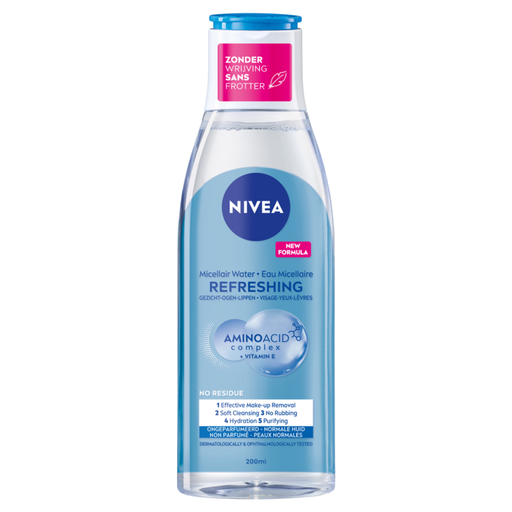
Why this fits the profile: The 200 ml pack is straightforward for anyone trying micellar water for the first time or looking for a compact bottle. According to the product description, the formula is fragrance-free and intended for normal skin.
The product information states use without rinsing, removal of make-up and a fragrance-free formula. Check the packaging to confirm the current composition matches.
200 ml; contains amino acids and vitamin E according to the ingredients list; intended for face and eyes.
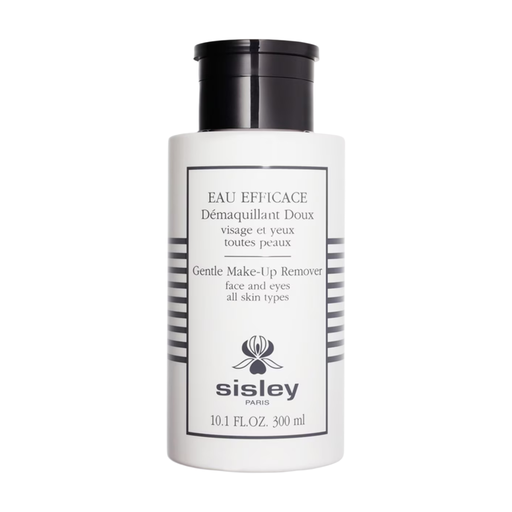
Why this fits the profile: According to the product description, this 300 ml micellar cleanser is intended for the face and eye area, combining cleansing and toning in one step.
The usage instructions give a fixed order: first remove eye make-up, then cleanse the entire face. According to the description, rinsing is not required.
300 ml; suitable for face and eyes; pump packaging according to the product specifications.
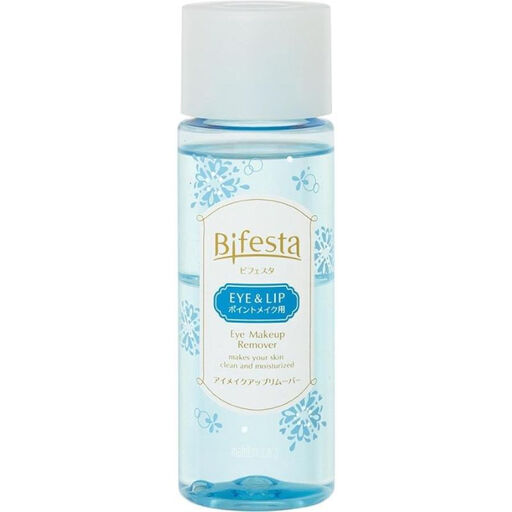
Why this fits the profile: The two-phase formula is specifically aimed at stubborn eye and lip make-up. That suits users who wear long-lasting or waterproof products daily.
The usage instructions state that you should shake the bottle and press the cotton pad against the area for a few seconds. This means less vigorous rubbing is needed.
145 ml; two-phase product; specifically for eye and lip make-up according to the product description.
We’ve put together a full, up-to-date list of products that fully meet these strict selection criteria and comply with current European safety regulations.
A foaming variant, such as CBL Snowflake Foam Cleansing Water, works differently: according to the product description, you mix the product with water, massage the foam texture in and then rinse off. So this is not a direct replacement for a no-rinse micellar water.
That depends on the formula and your skin. Many products are intended for daily use according to their product description. Use it as stated on the packaging and watch out for any feeling of tightness, stinging or irritation. If you experience any discomfort, stop using it.
Not always. Many variants are designed as cleansing water without rinsing, but a foaming cleanser usually needs to be rinsed off. So always check the usage instructions for the specific product.
Some formulas are developed by the manufacturer for SPF filters and waterproof make-up. For heavy eye or lip make-up, a separate two-phase make-up remover can be more practical. Let the product sit for a moment and avoid rubbing vigorously.
