
Vandaag of morgen in huis

Kwaliteit gegarandeerd

Welkomstaanbiedingen ontgrendelen: GRATIS bezorging | Tot 80% korting | Gratis 30 dagen JoyPlus-proefperiode
Download de app
Choosing a new 55-inch TV can be a daunting task. You're bombarded with specifications: QLED, Mini-LED, 144Hz, Dolby Atmos. It's hard to determine which features you truly need and which are just marketing buzzwords. Making the wrong choice means you're stuck with a device that doesn't suit your viewing habits, whether you're a film enthusiast, a gamer, or a family simply looking for a reliable smart TV.
This guide will help you make an informed decision. We'll explain the key technologies and present a selection of METZ 55-inch 4K Smart TVs, based on their specifications and intended use.
Before you buy a METZ TV, it's helpful to understand the key specifications. This will help you see the differences between models and decide which one best fits your needs.
Display Technology (UHD, QLED, QD-Mini LED):
Image Enhancement (HDR, Dolby Vision):
Sound (Dolby Atmos):
Gaming Specifications (144Hz, HDMI 2.1, VRR, ALLM):
Smart Platform (Google TV):
Eye Comfort (Low Blue Light):
Below is an overview of three METZ 55-inch models, each with its own unique specifications and target audience.

Why this product: This model is a solid entry into the world of 4K television. It combines a sharp 4K UHD screen with key picture and sound technologies like Dolby Vision and Atmos, and offers the user-friendly experience of Google TV.
Benefits:
Who is it for: Ideal for families and casual viewers looking for a reliable and user-friendly 4K smart TV for streaming series, movies, and watching regular TV shows, with an added focus on eye comfort.
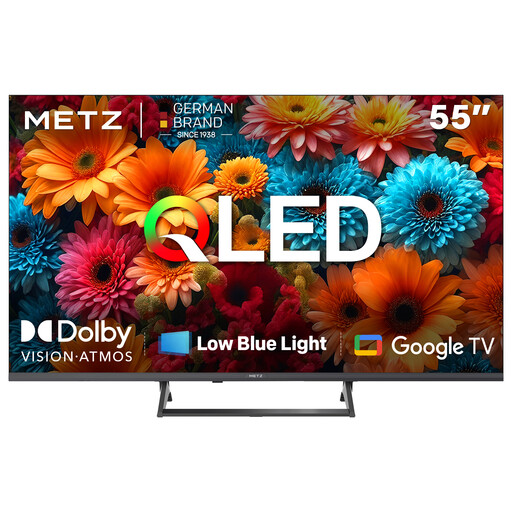
Why this product: The 55MQF7500Z takes picture quality to the next level thanks to QLED technology. This results in more vibrant colours and higher brightness. With the addition of HDMI 2.1 and VRR, this model is also a compelling option for casual gamers.
Benefits:
Who is it for: Perfect for film lovers who value superior colour reproduction and brightness. It's also a great choice for owners of modern game consoles who want to take advantage of features like VRR for a smoother gaming experience.
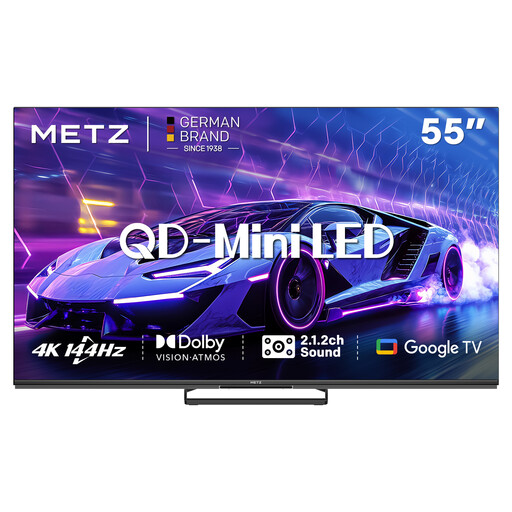
Why this product: This is the top-of-the-line model in our selection, aimed at the most demanding user. The QD-Mini LED technology delivers excellent contrast and deep blacks. With a 144Hz refresh rate and a full suite of gaming features, this is a true gaming TV. Furthermore, the 2.1.2 sound system with an integrated soundbar provides powerful audio.
Benefits:
Who is it for: The serious gamer looking for the highest refresh rate and minimal input lag. Home cinema enthusiasts who want the best picture and sound quality for an immersive movie experience will also appreciate this model.
A great television is the foundation of your viewing experience, but the environment plays a role too. Especially when watching in a dark room, the contrast between the bright screen and the dark wall can cause eye strain. Ambient lighting behind the TV, also known as bias lighting, can reduce this effect.
While TV technology focuses on reducing unwanted blue LED light from the screen itself, you can use external lighting to customise the room's atmosphere. LED strips are a popular and flexible solution for creating a pleasant ambiance that completes the viewing experience.
Discover our selection of ambient lighting
1. What is the advantage of a 144Hz TV for gaming? A 144Hz refresh rate means the image is updated 144 times per second. For PC gamers and owners of the latest consoles, this results in exceptionally smooth and sharp visuals in fast-paced games, such as shooters or racing games. It provides a competitive edge as you can react faster to what's happening on screen.
2. Is a 55-inch (140 cm) TV suitable for my living room? A 55-inch TV is one of the most popular sizes and fits well in most average-sized living rooms. A general rule of thumb is that the viewing distance should be about 1.5 to 2.5 times the screen diagonal. For a 55-inch TV, this translates to a distance of approximately 2.1 to 3.5 metres.
3. What is Google TV and how does it differ from Android TV? Google TV is essentially the newer, more refined interface for Android TV. Where Android TV focuses more on apps, Google TV focuses on content. It gathers films and series from all your streaming services and presents them on a single, organised home screen with personal recommendations. The underlying technology is still Android, but the user experience is more integrated and content-focused.
