
Vandaag of morgen in huis

Kwaliteit gegarandeerd
Download de app
Categorieën

A storage cabinet that sags under pressure, succumbs to rust, or simply doesn’t fit the space is a common source of frustration. The quest for a durable, functional storage solution often leads to a metal storage cabinet. However, not all steel cabinets are created equal. Whether you want a tidy garage, an organised office, or an efficient workshop, the right choice depends on specific parameters. This guide will help you understand the specifications, ensuring you make a purchase that perfectly meets your needs.
A smart purchase starts with knowing the facts. Pay attention to the following objective criteria to assess the functionality and durability of a metal storage cabinet.
The material determines the sturdiness and lifespan. Most cabinets are made of steel. Pay close attention to the finish: a powder coating or galvanised steel offers protection against rust and scratches, which is especially important in damp areas like a basement or garage cabinet.
The most critical factor is the load capacity. This is usually indicated in two ways:
Review these specifications carefully. A shelving unit for heavy tools requires a higher load capacity than a filing cabinet for documents.
Accurately measure the available space (height, width, and depth) before making a choice. Next, consider the cabinet's internal flexibility. Are the shelves height-adjustable? This is essential for adapting the layout to the size of your items. Some models, often a metal storage rack, can even be split into two lower units, which you can use side-by-side or as a workbench.
Safety is a key consideration, especially with tall and heavily loaded cabinets. Check if an anti-tip kit is included to secure the cabinet to the wall.
For those seeking extra security, a steel cabinet with a lock is the logical choice. This is ideal for a tool cabinet or an office cabinet where you store valuable items or confidential documents. Also, note the assembly system. Some cabinets feature an interlocking design that requires no tools, significantly simplifying installation.
Based on the criteria above, we have selected products with clear, functional features.
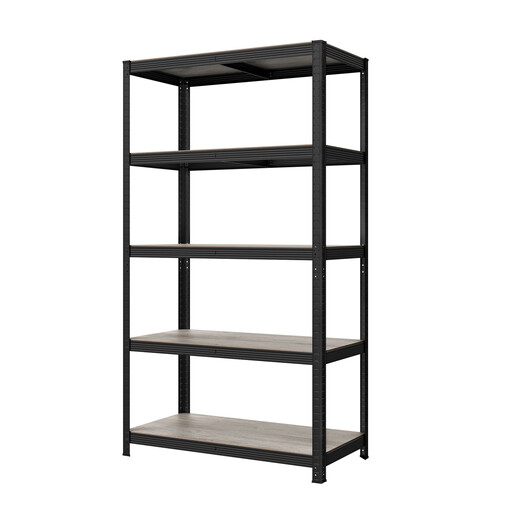
Why We Chose It: This shelving unit is engineered for heavy loads and maximum flexibility. Its high load capacity and the option to split the unit make it a highly versatile solution for demanding environments.
Key Features:
Best For: Homeowners and hobbyists looking for a robust storage solution for the garage, basement, or shed to store heavy tools, equipment, or supply boxes.
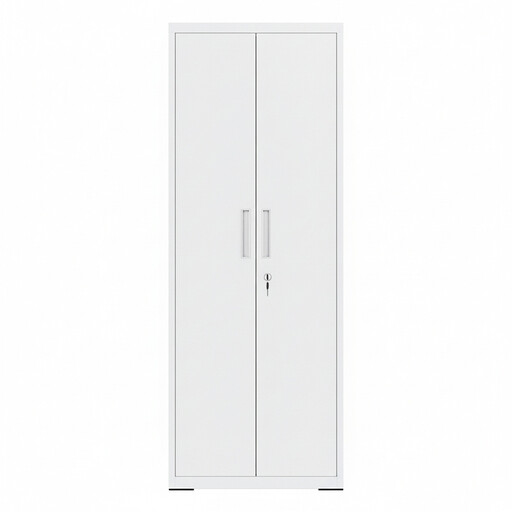
Why We Chose It: This cabinet combines storage with security. The steel construction with lockable doors makes it a reliable choice for storing documents or personal belongings.
Key Features:
Best For: Small business owners, remote workers, or anyone needing a functional filing cabinet or office cabinet to keep items secure and organised.
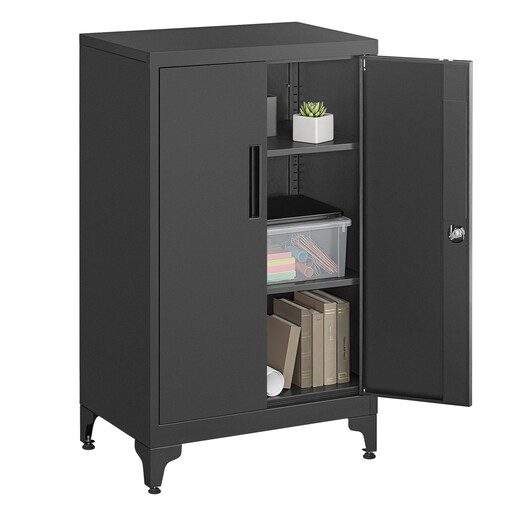
Why We Chose It: A compact and lockable cabinet that offers functionality in smaller spaces. Its sleek design makes it suitable for a workshop as well as an office or utility room.
Key Features:
Best For: The hobbyist with a compact workshop, or for use in an office, utility room, or garage where a secure, but not overly large, tool cabinet is needed.
The models above offer specific solutions for common storage challenges. If the dimensions or style don't perfectly match your requirements, many more configurations are available. For a wider range of options, such as for a hallway or utility room, you can browse our hallway cabinet category for other sizes and designs.
1. What is the difference between a shelving unit and a storage cabinet? A shelving unit (or metal storage rack) is typically an open structure without doors, designed for maximum accessibility and often a higher load capacity. A storage cabinet has doors, sometimes with a lock, and is intended to keep items out of sight and, if necessary, secure.
2. How much weight can a metal storage cabinet hold? This varies greatly by model. Always check the specifications for the maximum static load capacity per shelf and for the cabinet as a whole. A light-duty filing cabinet might hold 20-25 kg per shelf, while a heavy-duty garage shelving unit can handle 100 kg or more per shelf.
3. Is a metal cabinet difficult to assemble? Assembly differs by product. Many modern shelving units use an interlocking or slot-in system that requires no screws or tools. Enclosed cabinets more often require assembly with screws. Read the product description to see what applies to your chosen model. Using work gloves during assembly is often recommended.